Energy Star Equivalent Windows UK: 2026 BFRC Energy Rating Guide
The Guide to High-Performance Window Energy Ratings in the UK
In the United Kingdom, window energy efficiency is a critical component of building design, governed by stringent regulations and recognized through various certification schemes. While the term “Energy Star” is a widely recognized trademark in the United States and Canada, the UK utilizes a distinct set of standards—primarily the British Fenestration Rating Council (BFRC) “rainbow” label—to help consumers identify high-performance glazing. These ratings are essential for reducing domestic carbon emissions, which account for approximately 25% of the UK’s total CO2 output.
This guide provides a comprehensive, educational overview of the energy efficiency landscape for residential glazing in the UK as of 2026. Readers will learn about the metrics that define a high-performance window, the regulatory framework of the Future Homes Standard, and the practical steps for selecting and maintaining energy-efficient units. By understanding the interplay between U-values, solar gain, and air leakage, property owners can make informed decisions that enhance indoor comfort and long-term financial returns.
Overview of Window Energy Performance in the UK
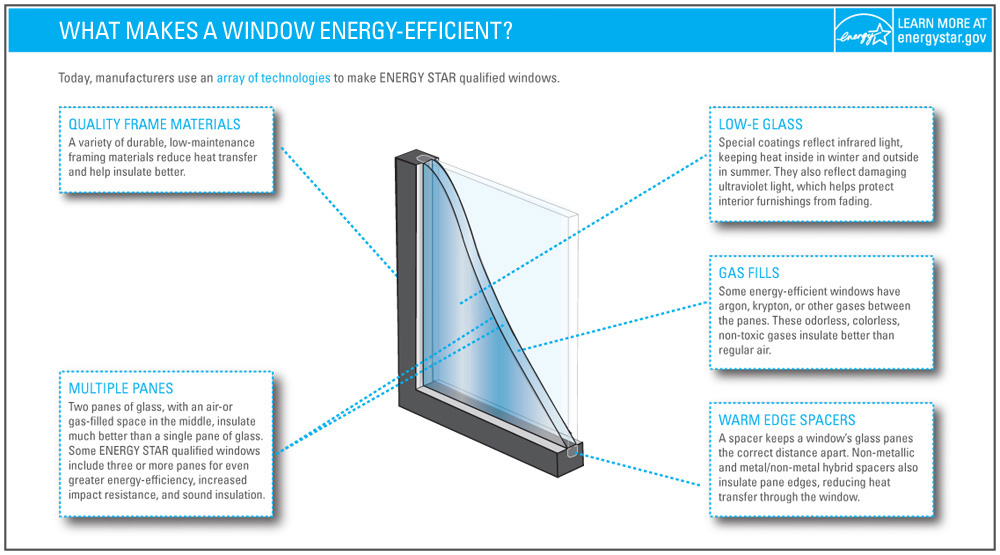
The core concept of window energy efficiency in the UK involves the total performance of the window unit—including the glass, the frame material, and the spacer bars. Unlike solid walls, windows are dynamic components that both lose heat (conduction) and gain heat (solar radiation). The primary goal of modern glazing is to minimize heat loss during the winter while managing solar gain to prevent overheating in the summer.
Property owners typically approach energy-efficient windows as a “future-proofing” investment. With the implementation of the Future Homes Standard 2026, the benchmark for performance has shifted toward triple glazing and high-specification double glazing. Expectations for these installations include reduced drafts, minimized external noise, and a significant decrease in the risk of condensation and mold. Success is defined by achieving a whole-window U-value that meets or exceeds current Building Regulations, typically resulting in a more stable and cost-effective home environment.
Key Rating Schemes and Technical Metrics
In the UK, the BFRC is the most recognized authority for window ratings. While consumers may look for Energy Star certified windows uk as a familiar term, they will find the BFRC A++ to E scale to be the local equivalent.
| Category / Type | Description | Common Use Case | Effort / Cost Level |
| BFRC A++ / A+ | Top-tier efficiency; often includes triple glazing and low-E glass. | Passive House builds; net-zero renovations. | High / High |
| BFRC A / B | Standard high-performance double glazing. | Most modern residential replacements. | Moderate / Medium |
| C-Rated (Minimum) | The baseline required by UK Building Regulations. | Budget-conscious or rental property upgrades. | Low-Moderate / Low |
| Low-E Glass | Glass with a microscopic metal oxide coating to reflect heat. | Standard in all energy-efficient units. | Moderate / Medium |
| Warm Edge Spacers | Non-metal spacers that separate glass panes to reduce conduction. | Preventing perimeter condensation. | Moderate / Medium |
Choosing between these options requires balancing the initial capital expenditure against the “Lifetime ROI.” An A++ rated window may cost significantly more than a B-rated unit, but in the context of rising energy prices in 2026, the payback period is shortened through reduced heating demand.
Practical Scenarios for Energy-Efficient Upgrades
Scenario 1: The Modern Urban Retrofit
A Victorian terrace home with original single-glazed sash windows experiencing significant heat loss and traffic noise.
-
Components: Slim-profile uPVC or timber-alternative sash windows, BFRC A-rated double glazing, and acoustic interlayers.
-
Steps: Conduct a site survey, check conservation area restrictions, remove original sashes, and install units with high-performance draught seals.
-
Relevance: This scenario addresses the twin challenges of heat retention and noise pollution in high-density areas.
Scenario 2: The New Build “Future-Proof” Design
A contemporary new build designed to meet the Future Homes Standard 2026 requirements.
-
Components: Triple-glazed aluminum frames, BFRC A++ rating, and solar-control coatings.
-
Steps: Integrate window specifications into the early design phase, ensure airtight installation at the reveals, and verify U-values of 0.8 W/(m²K) or lower.
-
Relevance: In this context, the windows are essential for meeting mandatory carbon reduction targets.
Scenario 3: The Rural Extension
A large kitchen extension with floor-to-ceiling glass doors facing south.
-
Components: High-performance bifold doors with a low Solar Heat Gain Coefficient (g-value).
-
Steps: Calculate the risk of summer overheating, select solar-control glass, and ensure the threshold provides a continuous thermal break.
-
Relevance: This demonstrates how high-energy ratings must also manage heat gain to avoid the “greenhouse effect.”
Comparison: Scenario 1 focuses on restoration and comfort; Scenario 2 focuses on regulatory compliance; Scenario 3 focuses on environmental management. Urban residents often prioritize Scenario 1, while developers must adhere to Scenario 2.
Planning, Cost, and Regulatory Considerations
Since the update to Approved Document L in 2026, the minimum standards for window performance have become a legal requirement for all installations.
| Category | Estimated Amount / Effort | Explanation | Optimization Tips |
| Typical Set (Semi-Detached) | £12,000 – £18,000 | Full replacement of windows in an average home. | Bundle with door replacements for better labor rates. |
| Survey & Design | 10% of total effort | Ensuring correct fit and compliance with Part F (ventilation). | Never bypass a professional survey. |
| Building Control Fee | £200 – £500 | Required if not using a FENSA or CERTASS registered installer. | Use certified installers to include fees in the quote. |
| Energy Savings | £150 – £300 per year | Estimated reduction in annual heating bills. | Savings increase as energy prices fluctuate. |
Note: Figures are examples based on 2026 market data and will vary based on material (Aluminium vs uPVC) and geographic location.
Strategies and Technical Support Options
Achieving high performance requires more than just high-quality glass; it involves the correct application of various technical strategies.
-
U-Value Calculation: The measure of heat transfer. Lower U-values (e.g., 1.2 or 0.8) indicate superior insulation.
-
Solar Gain (g-value): The measure of how much heat from the sun passes through. High g-values are beneficial for north-facing rooms to provide “free” heat.
-
Air Leakage (L-value): The measure of how airtight the window is. High-performance units use triple-seal gaskets to reach L-values of zero.
-
Gas Fills (Argon/Krypton): Inert gases used between panes to slow down heat conduction compared to plain air.
-
Thermal Breaks: Polyamide strips used in metal frames (like aluminum) to prevent the cold from traveling from the outside to the inside.
Safety, Risks, and Common Challenges
High-performance windows introduce specific risks if the installation does not account for the building’s overall physics.
-
Reduced Ventilation: Modern windows are much more airtight than older units. Risk: If background ventilation (trickle vents) is not included, it can lead to poor air quality and condensation. Prevention: Always comply with Approved Document F.
-
Structural Weight: Triple-glazed units are significantly heavier than double-glazed ones. Risk: Older window headers may sag. Prevention: Ensure a structural survey is completed for large openings.
-
The “Performance Gap”: A window that is A++ on paper but performs poorly due to gaps in the installation. Prevention: Use FENSA-certified installers who prioritize airtightness at the reveals.
-
Overheating: High-efficiency glass that traps too much sun. Prevention: Use solar-control coatings on south-facing elevations.
Maintenance and Long-Term Management
To maintain the energy savings of a high-rated window, the mechanical and structural integrity must be reviewed annually.
-
Gasket Inspection: Check for brittle or flattened rubber seals that allow air to bypass the thermal barrier.
-
Drainage Clearing: Ensure “weep holes” in the frame are clear of debris to prevent water ingress and rot in timber frames.
-
Hardware Lubrication: Keep hinges and locking mechanisms moving smoothly to ensure a tight, airtight seal when closed.
-
Glass Seal Monitor: Look for “fogging” between panes, which indicates the insulating gas has escaped and the unit has failed.
-
Trickle Vent Cleaning: Vacuum vents to ensure the home’s required background ventilation is not blocked by dust.
Documentation and Compliance Reporting
Compliance with UK building standards requires a clear paper trail, particularly when selling a property.
-
BFRC/Certass Labels: Retain the physical labels or digital certificates that verify the window’s energy rating.
-
FENSA/CERTASS Certificate: Essential proof that the installation meets Building Regulations (Part L and Part F).
-
Energy Performance Certificate (EPC): Upgrading windows can significantly improve a home’s EPC rating, potentially increasing property value by 10%–15%.
Example 1: A homeowner provides the BFRC A+ certificate to their solicitor during a property sale to justify a higher asking price.
Example 2: An installer provides a “Part F Compliance Report” showing that the ventilation meets the 2026 requirements despite the increased airtightness of the new windows.
Closing Summary
Identifying high-performance glazing in the UK requires moving beyond the “Energy Star” label and toward the BFRC A++ rating scale. By focusing on whole-window U-values and balancing solar gain with airtightness, property owners can achieve significant carbon reductions and comfort improvements. As the Future Homes Standard 2026 becomes the new benchmark, selecting certified products and professional installers is the most effective strategy for ensuring long-term thermal efficiency and regulatory compliance.