Best Exterior Paint for Brick Houses: 2026 Masonry Coating Guide
The Comprehensive Guide to Exterior Coatings for Brick Masonry
Painting a brick house is a significant architectural decision that alters both the aesthetic character and the physical properties of the building’s envelope. Unlike wood or vinyl, brick is a porous, “breathable” mineral material that naturally absorbs and releases moisture. Applying the incorrect coating can trap this moisture within the masonry, leading to structural degradation known as spalling, where the brick face flakes or crumbles. Therefore, selecting a compatible coating system is essential for maintaining the longevity of the home.
This guide provides a neutral, educational examination of the materials and methods used to identify the best exterior paint for brick houses. Readers will learn about the chemistry of different paint types—such as silicate and elastomeric coatings—the critical importance of surface preparation, and the maintenance protocols required for painted masonry. By understanding the interplay between vapor permeability and environmental protection, property owners can make informed decisions that balance visual design with structural integrity.
:max_bytes(150000):strip_icc()/Myrtlewood-Exterior-ebdcdb346e6442158e0fad171a9eb831.jpg)
Overview of Best Exterior Paint for Brick Houses
The core concept of painting brick is the management of vapor transmission. Brick and mortar joints act as a “reservoir” for moisture; when rain hits a wall, the brick absorbs some of that water, which eventually evaporates outward. The best exterior paint for brick houses must have a high “perm rating,” meaning it allows water vapor to pass through the paint film while blocking liquid water from entering. If a non-breathable paint is used, water trapped behind the coating will freeze and expand during winter, physically detaching the paint and the brick surface.
Property owners typically approach painting brick to modernize the appearance of a home or to provide a uniform look to mismatched masonry additions. Typical goals include achieving a specific color palette, increasing the home’s curb appeal, and providing an easier-to-clean surface. Success is defined by a coating that bonds chemically or mechanically to the mineral substrate without peeling, bubbling, or causing “efflorescence”—the white, salty powder that appears when moisture carries minerals to the surface.
Key Categories and Material Variations
Coatings for brick are classified by their chemical binders and how they interact with the porous surface of the masonry.
| Category / Type | Description | Common Use Case | Time / Cost / Effort |
| Mineral/Silicate | Bonds chemically to the brick; extremely breathable. | Historic restoration; long-term durability. | High / High / High |
| Limewash | Crushed limestone and water; creates a weathered look. | “Old-world” aesthetics; high breathability. | Moderate / Low / Moderate |
| 100% Acrylic | Standard high-quality exterior paint; moderately breathable. | General residential updates. | Moderate / Medium / Moderate |
| Elastomeric | Thick, flexible coating that bridges small cracks. | Coastal areas with wind-driven rain. | Moderate / High / High |
| Silane/Siloxane | Clear water repellents that don’t change the color. | Protecting natural brick from water damage. | Low / Medium / Low |
Choosing between these categories depends primarily on the condition of the brick and the desired final look. Silicate paints are often considered superior for brick because they become part of the masonry rather than sitting on top of it, but they require professional application. Limewash is ideal for those seeking a “shabby chic” or antique appearance that patinas naturally over time.
Practical Scenarios and Applications
Scenario 1: The Modern High-Contrast Update
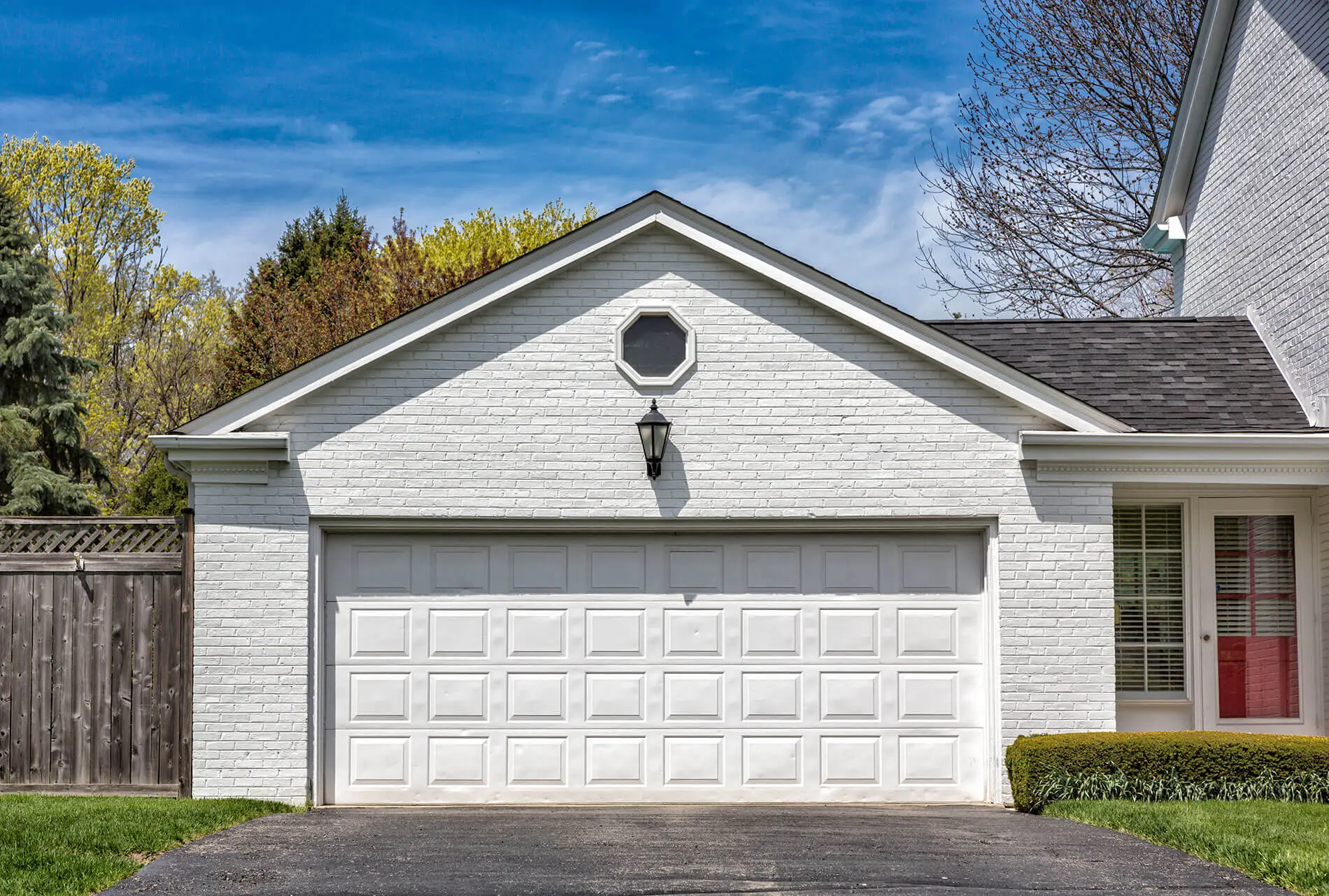
A homeowner with a standard red-brick 1980s home seeks a contemporary white or charcoal aesthetic with high durability.
-
Components: Masonry primer/sealer and a high-perm 100% acrylic latex paint.
-
Steps: Power wash the brick, repair mortar joints (pointing), apply a masonry-specific primer, and finish with two coats of acrylic paint.
-
Relevance: This is the most common residential scenario, balancing cost-effectiveness with a significant visual transformation.
Scenario 2: Historic Preservation and Structural Health
An 1890s historic home requires a color change while ensuring the soft, antique bricks do not rot from trapped moisture.
-
Components: Potassium silicate masonry paint.
-
Steps: Remove all old paint (if any), neutralize the pH of the brick, and apply silicate paint which “petrifies” into the brick surface.
-
Relevance: Silicate systems are essential for older masonry that is more susceptible to damage from modern, non-breathable films.
Scenario 3: The Distressed “German Smear” Look
Creating a rustic, textured appearance where parts of the natural brick show through a white coating.
-
Components: Wet mortar or heavy-bodied limewash.
-
Steps: Dampen the brick, apply the mortar/limewash with a trowel or sponge, and partially wipe it away before it dries.
-
Relevance: This scenario provides an aesthetic middle ground for those who want to brighten their home without fully committing to a solid, painted surface.
Comparison: Scenario 1 suits modern suburban homes; Scenario 2 is for heritage conservation; Scenario 3 is purely aesthetic for specific architectural styles. Readers in humid climates should prioritize Scenario 2 for its maximum breathability.
Planning, Cost, and Resource Considerations
:max_bytes(150000):strip_icc()/GettyImages-2196693036-6eaa899925174db59e5df980f281594e.jpg)
Meticulous planning is vital because removing paint from brick is extremely difficult and can permanently damage the masonry.
| Category | Estimated Amount / Effort | Explanation | Optimization Tips |
| Preparation/Cleaning | 30% of Total Effort | Removal of dirt, mold, and loose mortar. | Use a low-pressure wash (under 1500 PSI). |
| Primer/Conditioner | $40 – $70 per gallon | Masonry-specific primer to neutralize pH. | Do not skip this; brick is highly alkaline. |
| Paint Material | $50 – $100 per gallon | High-perm or silicate coatings. | Calculate 1.5x standard paint due to texture. |
| Labor (Specialized) | $3,000 – $10,000 | Skilled application for porous surfaces. | Ensure the crew has experience with masonry. |
Note: Figures are examples for illustrative purposes. 2026 data shows that the best exterior paint for brick houses often requires 20-30% more material than wood siding due to the high absorption rate of the brick.
Strategies, Tools, and Support Options
Successful brick painting relies on specialized tools designed to push paint into the deep recesses of the mortar joints.
-
Masonry Rollers: Extra-thick (1-inch to 1.5-inch) nap rollers.
-
Advantages: Reaches into the “nooks and crannies.” Disadvantages: Holds a lot of paint and can be heavy.
-
-
Airless Sprayers: High-pressure delivery for uniform coverage.
-
Advantages: Fastest application method for large areas. Disadvantages: Requires extensive masking of windows and trim.
-
-
Back-Rolling: A technique where one person sprays and another immediately follows with a roller.
-
Advantages: Ensures the paint is pushed into the pores of the brick for a better bond.
-
-
pH Testing Strips: Used to check the alkalinity of new or cleaned brick.
-
Advantages: Prevents “saponification” (the breakdown of the paint’s binder).
-
Safety, Risks, and Common Challenges
Painting brick carries unique structural risks that do not apply to other siding materials.
-
Moisture Entrapment: Using oil-based or low-perm paints. Result: Bricks freeze-thaw and shatter behind the paint. Prevention: Use coatings with a perm rating of 10 or higher.
-
Efflorescence: Soluble salts pushing through the paint. Prevention: Allow brick to dry for at least 72 hours after washing before applying primer.
-
Lead Paint: Historic homes may have existing lead-based coatings. Prevention: Follow EPA RRP (Renovation, Repair, and Painting) guidelines for safe removal.
-
Improper Mortar Repair: Using hard Portland cement on old, soft lime mortar. Result: The new mortar is stronger than the brick, causing the brick to crack.
Maintenance and Long-Term Management
:max_bytes(150000):strip_icc()/1DAVIDTSAY181203-ToriRubinson_FtWorth_0432_FINAL-1-2000-d50159dc7f96436e86e0ea66ba0423c0.jpg)
Once brick is painted, it becomes a maintained surface. Unlike natural brick, which can go decades without care, painted brick requires a routine schedule.
-
Annual Cleaning: Use a gentle garden hose to remove salt and dirt. Avoid high-pressure washers that can etch the paint.
-
Visual Inspection: Check for “bubbling” or “chalking” in the late spring. Bubbles often indicate a moisture leak behind the wall (e.g., from a window or roof).
-
Mortar Check: Ensure the “weep holes” (small gaps at the bottom of the wall) are not painted shut. These are critical for wall drainage.
-
Repainting: Depending on the paint type, expect to repaint every 7–10 years for acrylics or 15–20 years for mineral paints.
Documentation and Reporting
Documenting the process ensures that future repairs match the original chemistry and color.
-
The Color Code: Save the specific brand and color formula (e.g., “SW 7005 Pure White”).
-
Material Data Sheets (SDS): Keep the technical data for the primer and paint to ensure future coats are compatible.
-
pH Test Logs: Record the acidity/alkalinity of the brick before painting.
Example 1: A homeowner provides a “Permeability Certificate” from the paint manufacturer to a prospective buyer to prove the brick is not at risk of rot.
Example 2: An owner maintains a log of the “Drying Time” between the wash and the prime to satisfy warranty requirements.
Closing Summary
Selecting the best exterior paint for brick houses is a balance of aesthetic desire and masonry science. By prioritizing high-perm mineral or acrylic coatings and ensuring meticulous surface preparation, property owners can safely modernize their homes. Success depends on allowing the brick to breathe, ensuring that moisture is never trapped within the wall assembly, and maintaining the structural integrity of the mortar joints.
FAQ
1. Is it a bad idea to paint a brick house? It is only a “bad idea” if the wrong paint is used. Using non-breathable, film-forming paints can cause the brick to rot. Using high-perm masonry coatings makes it a safe and durable architectural choice.
2. Does painting brick decrease home value? Generally, no. In many modern markets, painted brick is highly desirable. However, in historic districts, preserving the natural brick may be required by local codes.
3. What is the difference between limewash and paint? Paint creates a film on top of the brick. Limewash is a mineral coating that sinks into the brick and reacts with it. Limewash will naturally wear away over time, whereas paint will eventually peel if not maintained.