Soundproof Windows for Busy Streets: 2026 Acoustic Guide
The Comprehensive Guide to Soundproof Windows for Urban Environments
Acoustic management in residential and commercial buildings is a critical factor in occupant well-being, particularly in high-density urban areas. Sound, which travels as a pressure wave through the air, can easily penetrate structural weaknesses in a building’s envelope, with windows often serving as the primary point of entry. Modern engineering has led to the development of specialized glazing systems designed to dissipate sound energy before it enters the interior living space. These systems are essential for maintaining a quiet environment in homes located near thoroughfares, airports, or industrial zones.
This guide provides a neutral, technical examination of the principles and technologies defining soundproof windows for busy streets. Readers will learn about the physics of sound transmission, the Sound Transmission Class (STC) rating system, and the various material configurations—such as laminated glass and asymmetric glazing—used to achieve acoustic isolation. By exploring the structural requirements and installation realities of these windows, property owners can make informed decisions regarding the mitigation of environmental noise.

Overview of Soundproof Windows for Busy Streets
The core concept of acoustic glazing is the interruption of sound wave vibrations. In standard windows, a single pane of glass acts like a drumhead, vibrating in response to exterior noise and passing that vibration into the home. Soundproof windows for busy streets utilize “mass,” “damping,” and “decoupling” to neutralize these waves. Property owners typically approach this challenge to address specific stressors, such as the low-frequency rumble of heavy trucks or the high-frequency screech of sirens and brakes.
Expectations for these systems should be centered on “noise reduction” rather than absolute “soundproofing,” as some sound may still travel through walls, vents, and doors. A successful outcome is measured by an increase in the STC rating of the window unit. A standard single-pane window often has an STC of 26–28, while specialized acoustic windows can achieve ratings of 45–50 or higher. The typical goal is a reduction in perceived noise by 70% to 95%, creating a stable acoustic environment that supports sleep, concentration, and privacy.
Key Categories and Technical Approaches
Acoustic performance is achieved through several distinct manufacturing and installation methods. Each category addresses different frequencies and budgets.
| Category / Type | Description | Common Use Case | Effort / Cost Level |
| Laminated Glass | A plastic interlayer (PVB) bonded between two glass panes. | High-frequency noise; safety glass needs. | Moderate / Medium |
| Asymmetric Glazing | Using two panes of glass with different thicknesses. | Breaking up specific sound frequencies. | Moderate / Medium |
| Acoustic Inserts | A secondary window installed inside the existing frame. | Historic homes; rental apartments. | Low / Low-Medium |
| Triple-Pane Units | Three glass layers with two air/gas-filled gaps. | Thermal and acoustic hybrid needs. | High / High |
| Dissimilar Glass | Combining laminated and standard glass in one unit. | Maximum decibel reduction for busy roads. | High / Very High |
Choosing between these options depends on the dominant noise source. For example, asymmetric glazing is effective because two different thicknesses of glass have different “coincidence frequencies,” meaning they won’t vibrate in sympathy with each other. Laminated glass, on the other hand, utilizes a polyvinyl butyral (PVB) interlayer to absorb sound energy through “viscoelastic” damping.
Practical Scenarios and Applications
Scenario 1: The High-Rise Thoroughfare
A resident living on the third floor of an apartment building overlooking a six-lane city street.
-
Components: Replacement of existing double-pane windows with asymmetric laminated glazing (e.g., 6mm and 4mm panes).
-
Steps: Conduct a decibel reading during peak hours, remove standard sashes, and install heavy-duty frames with triple-fin weatherstripping.
-
Relevance: This scenario targets the constant, high-decibel “white noise” of urban traffic and tire-on-pavement sounds.
Scenario 2: The Historic District Railway
A homeowner in a preserved historic district where window replacement is restricted by local ordinances.
-
Components: Interior acoustic inserts made of 1/4-inch thick laminated glass.
-
Steps: Measure the interior window reveal, install a secondary frame 2 to 4 inches away from the original glass, and seal with a magnetic or compression gasket.
-
Relevance: Creating a wide air gap between the original window and the insert provides superior low-frequency isolation without altering the building’s exterior.
Scenario 3: The Airport Flight Path
A suburban home located under a low-altitude flight path for a major international airport.
-
Components: Specialized “Dissimilar Triple-Pane” units with varying glass weights and argon gas fills.
-
Steps: Reinforce window headers to support extra weight, install windows with deep frames, and use acoustic-grade foam sealant.
-
Relevance: Aircraft noise presents intense, high-pressure sound waves that require maximum mass and decoupling to mitigate effectively.
Comparison: Scenario 1 focuses on high-frequency city sounds; Scenario 2 addresses low-frequency rumble and regulatory constraints; Scenario 3 focuses on maximum structural mass. Readers in apartments generally suit Scenario 2, while those building new homes near highways suit Scenario 1 or 3.
Planning, Cost, and Resource Considerations
:max_bytes(150000):strip_icc()/SoundproofBlinds-3e560ee86e174ddda37a06d6391ff65b.jpg)
Meticulous planning is required because acoustic windows are significantly heavier than standard units, which can impact the structural integrity of the wall and the operability of the hardware.
| Category | Estimated Amount / Effort | Explanation | Optimization Tips |
| Site Assessment | $200 – $500 | Professional acoustic testing and decibel mapping. | Identify if noise is coming through glass or frames. |
| Unit Cost | $600 – $1,800 per unit | Premium for laminated and asymmetric glass. | Standard sizes are significantly cheaper than custom. |
| Installation Labor | 30% – 50% of budget | Precision sealing and handling of heavy glass. | Ensure the installer uses acoustic-rated sealants. |
| Structural Prep | Moderate Effort | Reinforcing sills and headers for triple-pane weight. | Essential for older wood-framed homes. |
Note: Figures are examples for 2026 and vary by regional labor rates. Investing in soundproof windows for busy streets typically provides a high ROI in terms of property value and occupant health.
Strategies, Tools, and Support Options
Successful noise reduction relies on more than just the glass; the entire system must be airtight to prevent “sound leaks.”
-
Acoustic Caulking: Specialized non-hardening sealants that remain flexible.
-
Advantages: Does not shrink or crack, maintaining an airtight seal for years.
-
-
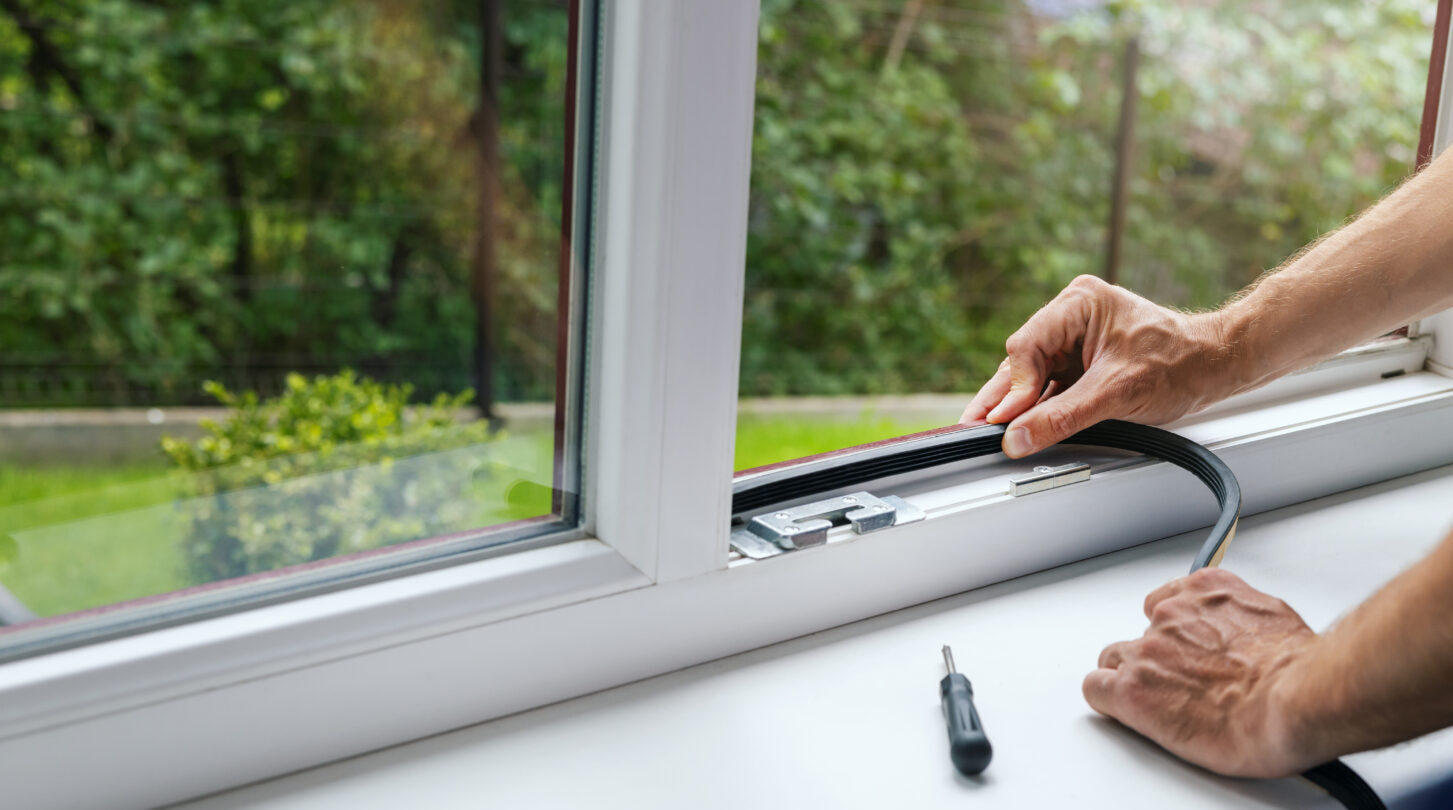
Triple-Fin Weatherstripping: Multiple layers of rubber or felt seals around the window sash.
-
Advantages: Prevents air (and sound) from bypassing the glass.
-
-
Argon/Krypton Gas Fills: Heavier-than-air gases between panes.
-
Advantages: Provides a minor improvement in sound damping while significantly improving thermal insulation.
-
-
Offset Mounting: Installing the window slightly “out of plane” with the wall.
-
Advantages: Can help deflect certain directional sound waves.
-
-
STC/OITC Ratings: Standardized tests (Sound Transmission Class and Outdoor-Indoor Transmission Class).
-
Advantages: Provides an objective way to compare different window models.
-
Safety, Risks, and Common Challenges
Implementing acoustic windows involves structural and logistical risks that must be managed.
-
The “Flanking” Effect: Sound traveling through walls or vents rather than the glass. Result: Expensive windows are installed, but the room remains noisy. Prevention: Conduct a smoke-pencil test to find air leaks in the wall.
-
Structural Sagging: The weight of heavy glass causing the window frame to bow. Result: The window becomes difficult to open or the seal fails. Prevention: Use steel-reinforced vinyl or fiberglass frames.
-
Improper Sealant: Using standard hardware-store caulk that hardens and cracks. Result: Sound leaks develop within 12 months. Prevention: Use high-modulus acoustic sealants.
-
Seal Failure: Moisture entering the space between panes. Result: Foggy glass and lost acoustic properties. Prevention: Prioritize manufacturers with 20-year seal warranties.
Maintenance and Long-Term Management
![Soundproof Windows Cost: Price Guide & Tips [2026]](https://aprodoor.com/wp-content/uploads/2025/07/Man-installing-acrylic-insert-for-window-soundproofing.webp)
Acoustic windows are high-performance mechanical systems that require periodic stewardship to maintain their decibel-reduction ratings.
-
Gasket Inspection: Check the rubber seals annually for brittleness. If air can get through, sound will follow.
-
Track Cleaning: Vacuum window tracks to ensure the sash closes perfectly tight against the frame.
-
Hardware Lubrication: Apply silicone-based lubricants to rollers and hinges to ensure the heavy sashes operate without strain.
-
Caulk Review: Inspect the exterior perimeter once a year; any cracks in the caulk should be addressed immediately to maintain the “airtight” status.
-
Glass Clarity: Periodically check for “haze” in laminated glass, which can indicate delamination of the PVB interlayer.
Documentation and Reporting
Detailed record-keeping is essential for verifying performance and assisting in home appraisals or warranty claims.
-
Acoustic Certification: Retain the STC/OITC report provided by the manufacturer.
-
Pre/Post Decibel Logs: Documented sound levels (in dBA) taken before and after installation.
-
Warranty Documentation: Records of the glass seal and interlayer warranties.
Example 1: A homeowner saves the “STC 48 Certificate” to justify a higher property resale value based on “Luxury Acoustic Standards.”
Example 2: An owner maintains a log of “Decibel Reductions” during rush hour to provide feedback to the manufacturer or installer.
Closing Summary
Designing for soundproof windows for busy streets is a technical process that prioritizes mass and airtightness. By utilizing technologies such as asymmetric laminated glass and acoustic inserts, property owners can significantly reduce environmental noise and improve interior comfort. Success in these projects depends on a holistic approach that identifies the specific frequencies of the noise source and ensures that the window installation is perfectly sealed against air and sound infiltration.
FAQ
1. Is there a difference between thermal and acoustic windows? Yes. While triple-pane windows are excellent for thermal insulation, they aren’t always the best for sound. Acoustic windows specifically prioritize glass mass and damping interlayers to absorb sound vibrations.
2. Can I make my existing windows soundproof without replacing them? Acoustic inserts are a highly effective “add-on” solution. By adding a secondary layer of laminated glass to the interior, you create a large air gap that is often more effective than a standard replacement window.
3. Does the frame material matter for sound? Yes. Denser materials like fiberglass or uPVC with internal foam cores tend to provide better sound damping than hollow aluminum frames, which can sometimes “ring” with certain frequencies.