Vinyl Siding Replacement Contractors: 2026 Professional Guide
The Comprehensive Guide to Vinyl Siding Replacement Contractors
Vinyl siding remains one of the most prevalent exterior cladding materials in the United States, favored for its durability, cost-effectiveness, and low maintenance requirements. However, the performance of this material is inextricably linked to the quality of its installation. A siding system is only as effective as the building envelope beneath it; therefore, selecting the right professionals to manage the replacement process is a critical step in preserving a home’s structural integrity and thermal efficiency.
This guide provides a neutral, educational examination of the professional landscape regarding vinyl siding replacement contractors. Readers will learn about the technical standards of siding installation, the different types of service providers available, and the logistical phases of a full exterior renovation. By understanding the interplay between material grade, insulation, and moisture management, property owners can navigate the replacement process with a clear framework for long-term success.
![How Much Does It Cost to Repair Siding? [2025 Data]](https://s3media.angieslist.com/s3fs-public/professional_repairing_siding.jpeg)
Overview of Vinyl Siding Replacement Contractors
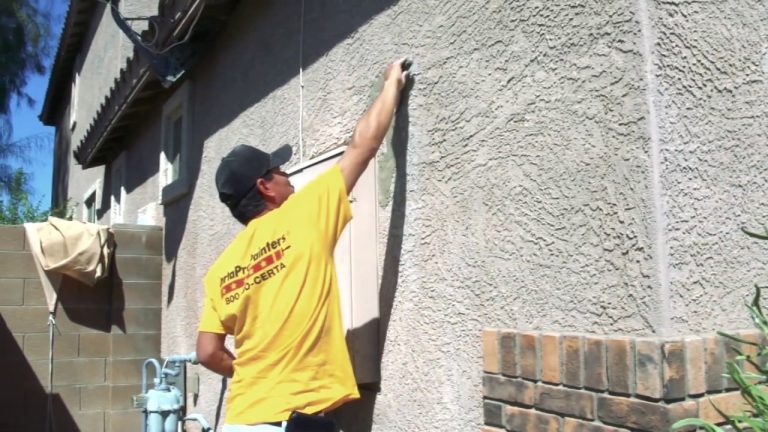
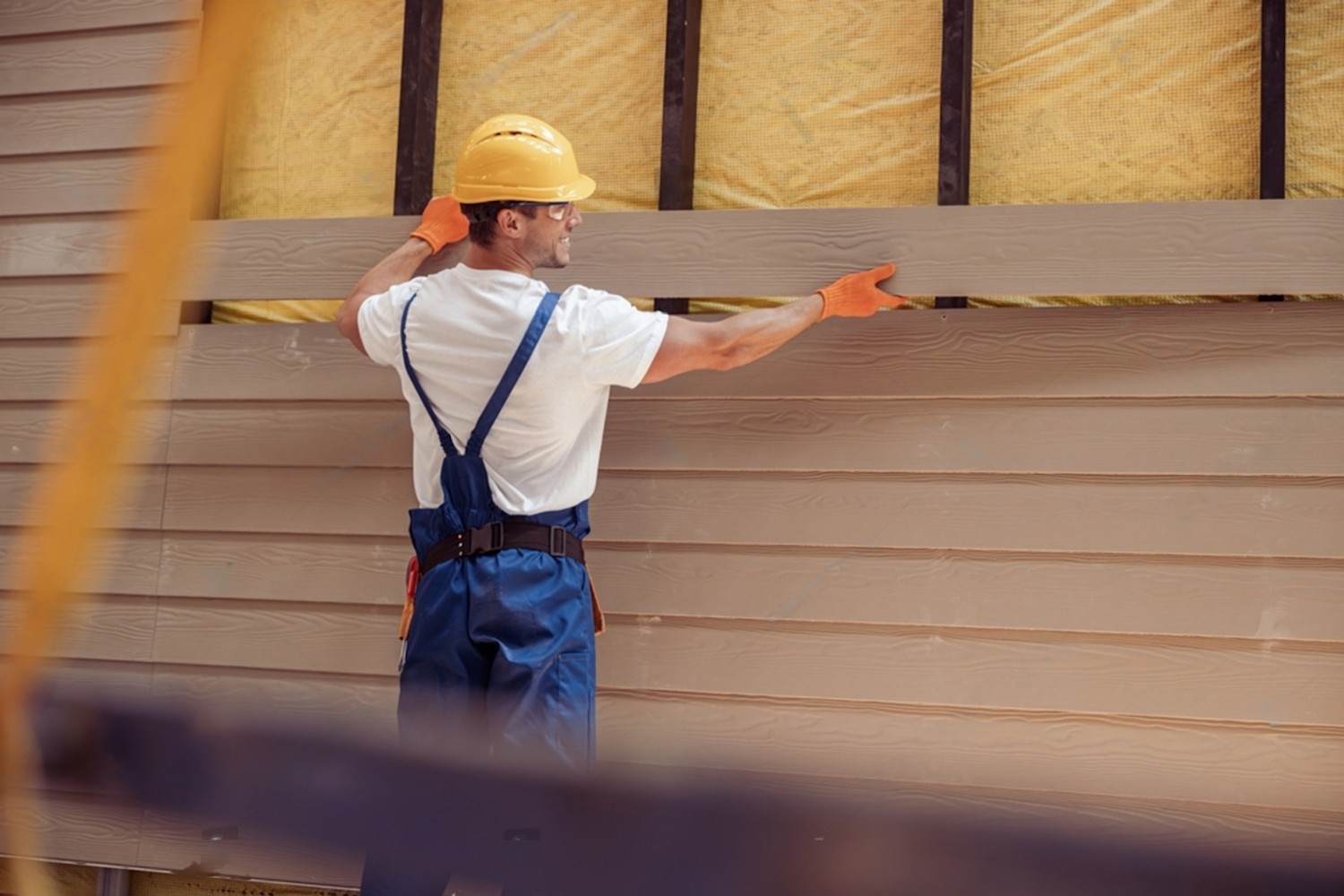
The primary role of vinyl siding replacement contractors is to remove aged or damaged cladding and install a new, weather-tight system that protects the home from moisture, wind, and temperature fluctuations. This process involves more than just the attachment of plastic panels; it requires an assessment of the “house wrap” (weather-resistive barrier), the integration of flashing around windows and doors, and the assurance of proper ventilation. Contractors in this field must adhere to the standards set by the Vinyl Siding Institute (VSI) and local building codes to ensure the siding can expand and contract with seasonal changes.
Property owners typically utilize these services when the existing siding shows signs of “oil canning” (warping), fading, or moisture intrusion. The typical goal is a total exterior refresh that improves curb appeal while simultaneously enhancing the home’s R-value through the addition of insulated backing. Expectations for a professional installation include straight, level courses of siding, secure trim work, and a cleanup process that leaves the property free of sharp debris. Success is measured by the system’s ability to shed water effectively and remain stable during high-wind events.
Key Categories of Service Providers
Contractors in the siding industry vary by their specialization, scale, and the depth of the services they provide.
| Category / Type | Description | Common Use Case | Effort / Cost Level |
| Specialized Siding Firms | Companies that focus exclusively on exterior cladding. | Full-house replacements; complex architectures. | Moderate / Medium |
| General Contractors | Broad service providers who manage multiple trades. | Major home additions or total remodels. | High / High |
| Owner-Operators | Individual tradespeople performing the labor themselves. | Minor repairs or small, simple structures. | Low / Low |
| Design-Build Firms | Provide both architectural 3D rendering and construction. | Luxury homes requiring custom aesthetic changes. | Very High / Premium |
| Certified VSI Installers | Contractors specifically trained by the industry institute. | Homeowners prioritizing warranty compliance. | Moderate / Medium-High |
Choosing between these categories depends on the project’s complexity. A specialized siding firm is often the most efficient for a standard replacement, as they possess the specific tools (such as metal brakes for custom trim) and a deep inventory of material connections. General contractors are better suited for projects where siding is just one component of a larger structural renovation.
Practical Scenarios and Applications
Scenario 1: The Energy Efficiency Retrofit
A homeowner in a cold climate seeks to lower heating costs by replacing thin, older siding.
-
Components: Contoured foam insulation, high-perm house wrap, and premium .046-gauge vinyl.
-
Steps: Strip the old siding, tape all seams on the weather barrier, install rigid foam insulation, and hang the new panels.
-
Relevance: This scenario focuses on the “thermal bridge” effect, using the siding replacement as an opportunity to wrap the entire home in an insulating blanket.
Scenario 2: Storm Damage Restoration
A property has sustained hail damage or high-wind “blow-offs” that have compromised the exterior.
-
Components: Impact-resistant vinyl panels, structural fasteners, and new J-channel trim.
-
Steps: Coordinate with insurance adjusters, remove damaged sections, inspect for hidden water damage in the sheathing, and replace with matching or upgraded materials.
-
Relevance: Speed and structural inspection are paramount here; vinyl siding replacement contractors must ensure no moisture has entered the wall cavity during the period the siding was compromised.
Scenario 3: Historical Aesthetic Update
An older home requires a modern material that mimics the look of traditional wood clapboard or cedar shakes.
-
Components: Vinyl cedar-shake shingles, decorative “crown” molding for windows, and mitered corners.
-
Steps: Remove old wood or lead-painted siding (requires safety protocols), install a drainage plane, and apply specialized vinyl shakes.
-
Relevance: This demonstrates the versatility of vinyl to meet strict neighborhood aesthetic standards while providing the maintenance-free benefits of polymers.
Comparison: Scenario 1 prioritizes utility savings; Scenario 2 focuses on structural repair; Scenario 3 emphasizes architectural design. Most residential projects fall into a hybrid of Scenario 1 and 3.
Planning, Cost, and Resource Considerations

Preparation is the most vital phase of a siding project, as the “true” condition of the home’s walls is often hidden until the old material is removed.
| Category | Estimated Amount / Effort | Explanation | Optimization Tips |
| Materials | $4.00 – $9.00 per sq. ft. | Vinyl planks, trim, soffits, and insulation. | Choose “Standard” colors to avoid premium “Dark” pigment surcharges. |
| Labor | 40% – 50% of Budget | Removal, disposal, and skilled installation. | Schedule in late autumn or early spring for potential labor discounts. |
| Permits | $100 – $500 | Municipal compliance for structural changes. | Ensure the contractor handles the filing process. |
| Contingency | 10% of Total | Funds for replacing rotted wood sheathing found during demo. | Always have this fund ready to avoid mid-project delays. |
Note: Figures are examples for 2026 and vary by regional labor rates. A “square” of siding is 100 square feet.
Technical Strategies and Support Options
Successful siding installation relies on allowing the material to move; vinyl is designed to “hang” rather than be “pinned” to the house.
-
Blind Nailing: Fastening through the factory-punched slots so the nails are hidden by the next course.
-
Advantages: Seamless look and prevents water from entering nail holes.
-
-
Expansion Gaps: Leaving roughly 1/4 inch at all trim junctions.
-
Advantages: Prevents the siding from buckling or “waviness” when it expands in the sun.
-
-
The “Penny” Rule: Driving nails so the head is about a penny’s width away from the siding.
-
Advantages: Allows the panel to slide horizontally as temperatures change.
-
-
Drainage Planes: Using a textured house wrap or furring strips.
-
Advantages: Provides a path for incidental moisture to escape, preventing rot behind the siding.
-
Safety, Risks, and Common Challenges
The installation of vinyl siding involves working at heights and handling materials that can be dangerous if mismanaged.
-
Improper Nailing: Driving nails too tight into the studs. Result: The siding will warp and crack during the first heatwave because it cannot expand.
-
Ladder/Scaffolding Falls: The primary safety risk for workers. Prevention: Contractors should use “pump jacks” or OSHA-compliant scaffolding for two-story homes.
-
Moisture Trapping: Failing to replace rotted sheathing or improper flashing. Result: Toxic mold growth and structural decay inside the walls.
-
Utility Punctures: Driving nails into hidden electrical or plumbing lines. Prevention: Reviewing the home’s interior layout and using localized depth-gauges on nail guns.
Maintenance and Long-Term Management

While vinyl is marketed as low-maintenance, it is not “no-maintenance.” Regular care extends its lifespan to 30 years or more.
-
Annual Cleaning: Use a soft-bristle brush and a mild solution of water and vinegar to remove algae and oxidation. Avoid high-pressure washers, which can force water behind the panels.
-
Insect Inspection: Check for bees or ants entering through the “weep holes” (small holes at the bottom of the panels).
-
Melting Risks: Be aware of high-efficiency windows reflecting intense heat onto the siding.
-
Visual Check: After high winds, ensure all panels are still “clicked” into their locking channels.
Documentation and Reporting
Proper documentation ensures that warranties are honored and that future owners understand the home’s history.
-
The Siding SKU: Save the specific manufacturer and color code for future repairs.
-
Warranty Certificate: Most vinyl manufacturers offer a 20-to-50-year warranty, but only if the registration is filed within 30 days.
-
Installation Photos: Document the condition of the bare sheathing and the new house wrap before it is covered.
Example 1: A homeowner provides the VSI Certification of their contractor to their insurance provider to verify the quality of a storm repair.
Example 2: An owner saves the color code “Sterling Gray” to ensure that a new garage addition will match the existing house siding.
Closing Summary
Selecting vinyl siding replacement contractors is a strategic decision that affects a home’s efficiency and longevity. By prioritizing contractors who understand the technical requirements of expansion gaps and moisture barriers, property owners can ensure their new cladding remains both beautiful and functional for decades. A successful project combines high-quality polymer materials with meticulous “hanging” techniques, resulting in a building envelope that breathes and protects.
FAQ
1. How long does a typical siding replacement take? For an average 2,000-square-foot home, the process usually takes 7 to 10 days, including demolition, wall preparation, and installation of the new system.
2. Can siding be replaced in the winter? Yes, but it is more difficult. Vinyl becomes brittle in extreme cold, so contractors must take extra care when cutting and nailing to prevent shattering.
3. Is “insulated siding” worth the extra cost? In northern climates, yes. It provides a “thermal break” that standard siding lacks, often paying for itself through reduced energy bills over several years.