Slate Roof Maintenance and Repair: The 2026 Educational Guide
The Comprehensive Guide to Slate Roof Maintenance and Repair
Slate roofing is often regarded as one of the most durable and aesthetically sophisticated roofing systems available. Composed of natural metamorphic rock, a well-installed slate roof can last well over a century, far outperforming synthetic alternatives. However, its longevity is heavily dependent on the quality of the original stone and the diligence of the owner in addressing minor issues before they escalate. Because slate is both heavy and brittle, it requires a specialized approach to care that differs significantly from standard asphalt or metal roofing.
This guide provides an objective, educational overview of the technical requirements for preserving a stone roof. Readers will learn the fundamental principles of slate roof maintenance and repair, including how to identify different types of slate, the common causes of failure, and the logistical considerations of hiring specialized craftspeople. By understanding the lifecycle of natural slate, property owners can make informed decisions that protect the structural integrity and historical value of their buildings.

Overview of Slate Roof Maintenance and Repair
The core concept of slate roofing is “permanence through modularity.” Because a roof is composed of thousands of individual stone tiles, a single broken slate does not necessitate a full roof replacement. Instead, slate roof maintenance and repair typically focuses on the “surgical” removal of damaged units and the installation of matching replacements. Property owners commonly approach this as a preservation task rather than a construction project, with the goal of maintaining a weather-tight envelope while respecting the architectural heritage of the home.
Expectations for slate care must be grounded in the material’s geology. “Hard slate” from regions like Vermont or Wales can last 100 to 200 years, while “soft slate” may begin to delaminate after 50 years. Typical maintenance goals include the annual inspection of “flashings”—the metal connectors at chimneys and valleys—which often fail long before the stone itself. Outcomes are generally successful when the owner treats the roof as a lifetime asset, budgeting for incremental repairs rather than allowing the system to fall into a state of systemic neglect.
Key Categories of Slate and Repair Approaches
Different types of slate and different modes of failure require specific intervention strategies. Understanding these categories is essential for accurate budgeting and material sourcing.
| Category / Type | Description | Common Use Case | Effort / Cost Level |
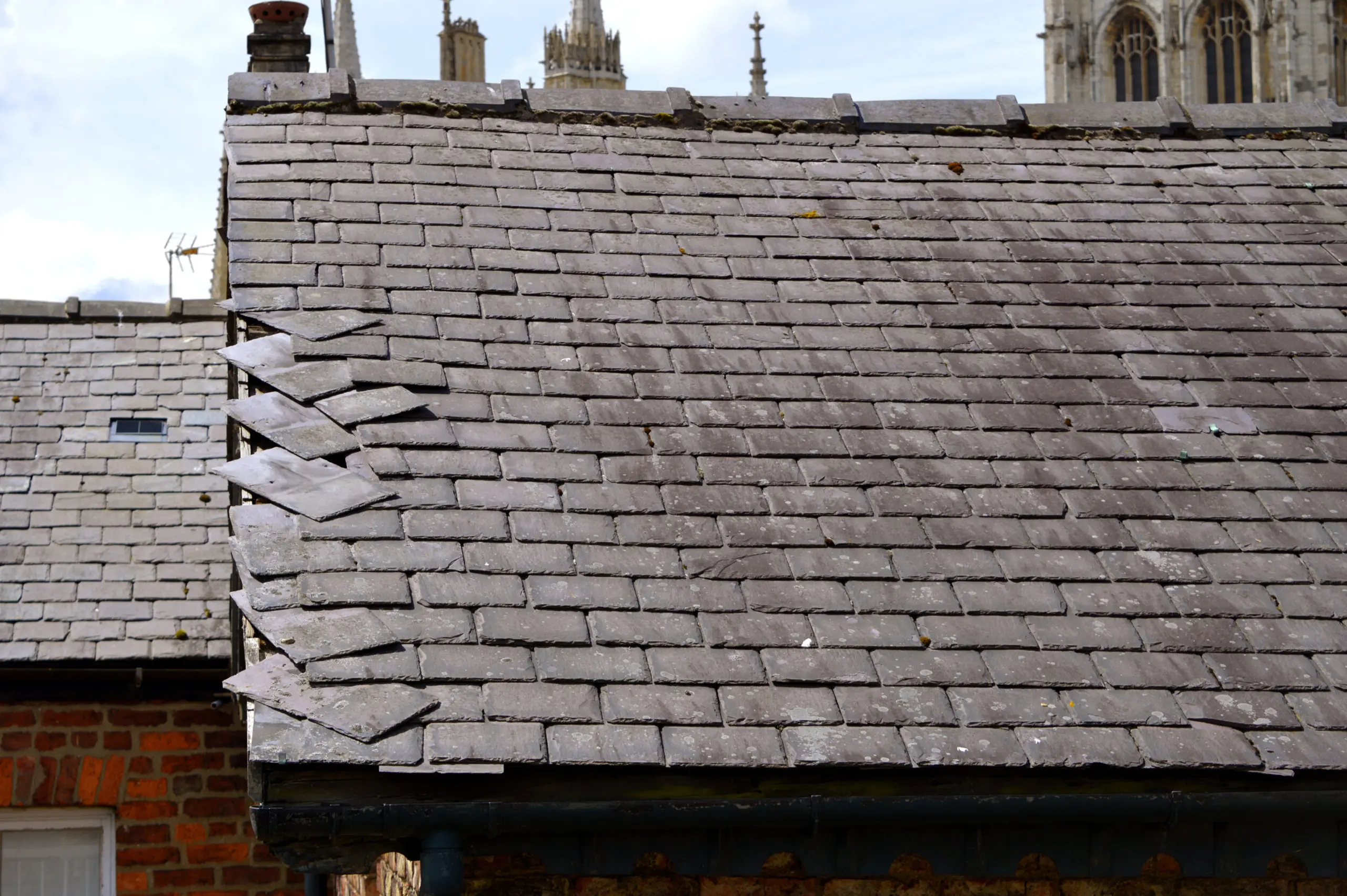
| Slipped Slate | A tile that has slid out of place due to nail “sickness” or rot. | Older roofs (75+ years). | Low / Moderate |
| Broken/Cracked Slate | Physical damage from impact (hail or falling branches). | Storm-damaged properties. | Moderate / Medium |
| Delaminating Slate | Stone that is flaking into thin layers due to mineral impurities. | Soft slate installations. | High / High |
| Flashing Failure | Deterioration of copper or lead valleys and ridges. | Any slate roof over 30 years old. | Very High / High |
| Shedding Slate | The natural loss of stone particles over time. | Normal aging process. | Low / Low |
Choosing between these approaches depends on the “serviceable life” remaining in the stone. If 20% or more of the slates are delaminating or breaking, it may indicate that the stone has reached its natural end, and localized repair may no longer be cost-effective. Conversely, slipped slates on a roof with sound stone simply require re-fastening using copper hooks or clips.
Practical Scenarios for Slate Restoration
Scenario 1: Post-Storm Impact Repair
Following a severe hail event or windstorm, several individual slates are cracked or missing, but the underlying felt and decking remain intact.
-
Components: Replacement slates (matched for color and thickness), copper “nails,” and a slate ripper.
-
Steps: Identify broken units, use a ripper to cut the existing nails, slide in a new slate, and secure it with a copper nail covered by a small copper “bib.”
-
Relevance: This is the most common repair scenario and prevents water from reaching the wooden roof deck.
Scenario 2: Addressing “Nail Sickness”
The slate is in excellent condition, but the original iron or galvanized nails have rusted away, causing slates to slide down the roof slope.
-
Components: Copper slate hooks, ladders with roof hooks.
-
Steps: Slide slipped slates back into position and secure them with a copper hook that wraps around the bottom edge of the slate.
-
Relevance: This scenario is common in historical homes where the stone is high-quality but the original fasteners were not made of non-corrosive copper or stainless steel.
Scenario 3: Valley and Flashing Overhaul
The slates are functional, but the metal valleys have developed pinholes, causing leaks in the interior corners of the house.
-
Components: 16-ounce copper sheeting, lead-coated copper, or solder.
-
Steps: Remove several courses of slate around the valley, replace the old metal with new copper, and re-install the original slates.
-
Relevance: Flashing is the “weak link” in a slate system; replacing it extends the life of the stone for several more decades.
Comparison: Scenario 1 is reactive and localized, Scenario 2 is a preventative fastening measure, and Scenario 3 is a major technical overhaul. Readers with localized leaks should focus on Scenario 1, while those with systemic sliding issues suit Scenario 2.
Planning, Cost, and Resource Considerations
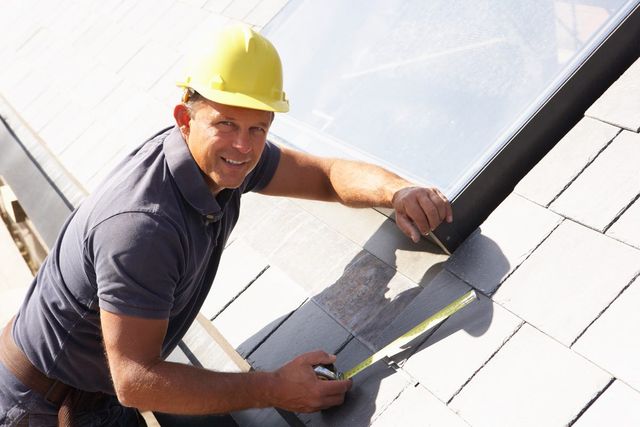
Effective slate roof maintenance and repair requires a dedicated budget for specialized labor. Because slate is a “lifetime” material, the cost of materials is often secondary to the cost of the expertise required to handle it without causing further damage.
| Category | Estimated Amount / Effort | Explanation | Optimization Tips |
| Annual Inspection | $300 – $600 | A professional drone or ladder survey. | Perform this in the spring to identify winter ice damage. |
| Individual Slate Repair | $50 – $150 per slate | Cost of the stone plus specialized labor. | Keep a “stockpile” of matching slates in the attic or garage. |
| Flashing Replacement | $2,000 – $10,000 | Replacing valleys, chimneys, or ridges. | Use high-weight copper (20 oz) for maximum longevity. |
| Specialized Equipment | High Effort | Scaffolding or lifts to avoid walking on the slate. | Never allow a contractor to walk on slate without a roof ladder. |
Note: Figures are examples for illustrative purposes; actual costs vary significantly by roof height, pitch, and geographic region.
Strategies, Tools, and Support Options
Slate repair is a craft that utilizes tools virtually unchanged for centuries. Modern owners must ensure their contractors use the correct equipment.
-
The Slate Ripper: A long, flat tool with a hooked end used to reach under a slate and cut the nails.
-
Advantages: Allows for “surgical” repair without disturbing surrounding stones.
-
-
Copper Slate Hooks: Small hooks that hold a replacement slate in place from the bottom.
-
Advantages: Does not require driving a nail through the top of the slate, which can be difficult in tight spaces.
-
-
The Slate Cutter/Hammer: A specialized hammer with a pointed tip for punching holes and a blade for trimming stone.
-
Advantages: Creates a clean, beveled edge that mimics the original finish.
-
-
Non-Destructive Inspection (Drones): Using high-resolution cameras to view the roof.
-
Advantages: Prevents the risk of a person walking on and breaking the brittle stones.
-
Safety, Risks, and Common Challenges
The most significant risk to a slate roof is often the person trying to fix it.
-
Walking on Slate: Slate is brittle and will crack under the weight of a person. Prevention: Use “chicken ladders” or roof hooks that distribute weight across several slates.
-
Incompatible Fasteners: Using steel or aluminum nails in copper valleys. Prevention: Use only copper or stainless steel to prevent “galvanic corrosion.”
-
Mismatched Slate: Installing “new” slate that has a different mineral composition than the “old” slate. Prevention: Consult a slate geologist or specialist to match the quarry of origin.
-
Improper Headlap: Failing to overlap the slates enough to prevent wind-driven rain from blowing upward. Prevention: Maintain a minimum 3-inch “headlap” for most standard roof pitches.
Best Practices for Long-Term Management

Ongoing management ensures that the investment in a slate roof is protected for the next generation.
-
Clear the Gutters: Prevent ice dams from forming, which can push water up under the slate.
-
Trim Overhanging Trees: Prevent branches from falling and shattering the stone tiles.
-
Monitor the Attic: Regularly check the underside of the roof deck for dark spots or water stains.
-
Document the Quarry: Keep a record of the color, size, and origin of your slate (e.g., Vermont Unfading Green or Pennsylvania Black).
-
Verify Contractor Credentials: Ensure the repairer is a member of the National Slate Roofing Contractors Association (NSRCA).
Documentation and Reporting
Organizing repair records is essential for historical preservation and future home sales. A “Roof Log” should include:
-
The Repair Map: A diagram showing which sections of the roof have been repaired and when.
-
Material Sourcing: Receipts showing the origin of replacement slates to ensure future matches.
-
Photo Evidence: Before-and-after photos of flashing replacements and structural repairs.
Example 1: An owner keeps a sample of a broken slate in a labeled box to help a contractor match the “weathering” characteristics of the original stone.
Example 2: A historical society requires a “Condition Assessment Report” before approving any non-copper flashing materials on a landmarked property.
Closing Summary
Preserving a stone roof through dedicated slate roof maintenance and repair is a technical but rewarding endeavor. By prioritizing regular inspections, using non-corrosive fasteners, and employing specialized tools like the slate ripper, property owners can ensure their roofs remain functional for over a century. The key to slate longevity lies not in modern coatings or sealants, but in respecting the traditional methods of stone masonry and metal smithing.