Cedar Shake Roofing Pros and Cons: The 2026 Editorial Guide
The Comprehensive Guide to Cedar Shake Roofing
Cedar shake roofing represents one of the oldest and most traditional forms of residential protection. Derived from the Western Red Cedar or White Cedar trees, these roofs are prized for their organic aesthetic and natural resistance to the elements. Unlike mass-produced synthetic materials, each shake is unique in its grain and texture, providing a dimensional appearance that matures from a warm cinnamon hue to a sophisticated silver-gray over time. For many homeowners, the choice of cedar is a commitment to architectural heritage and natural insulation.
This guide provides a neutral, in-depth examination of cedar shake roofing pros and cons to assist property owners in determining if this material suits their specific climate and maintenance capabilities. Readers will learn about the different grades of cedar, the technical requirements for installation, and the long-term stewardship necessary to maximize the roof’s lifespan. By analyzing the structural benefits alongside the environmental risks, this article serves as an authoritative resource for informed decision-making.
Overview of Cedar Shake Roofing Pros and Cons
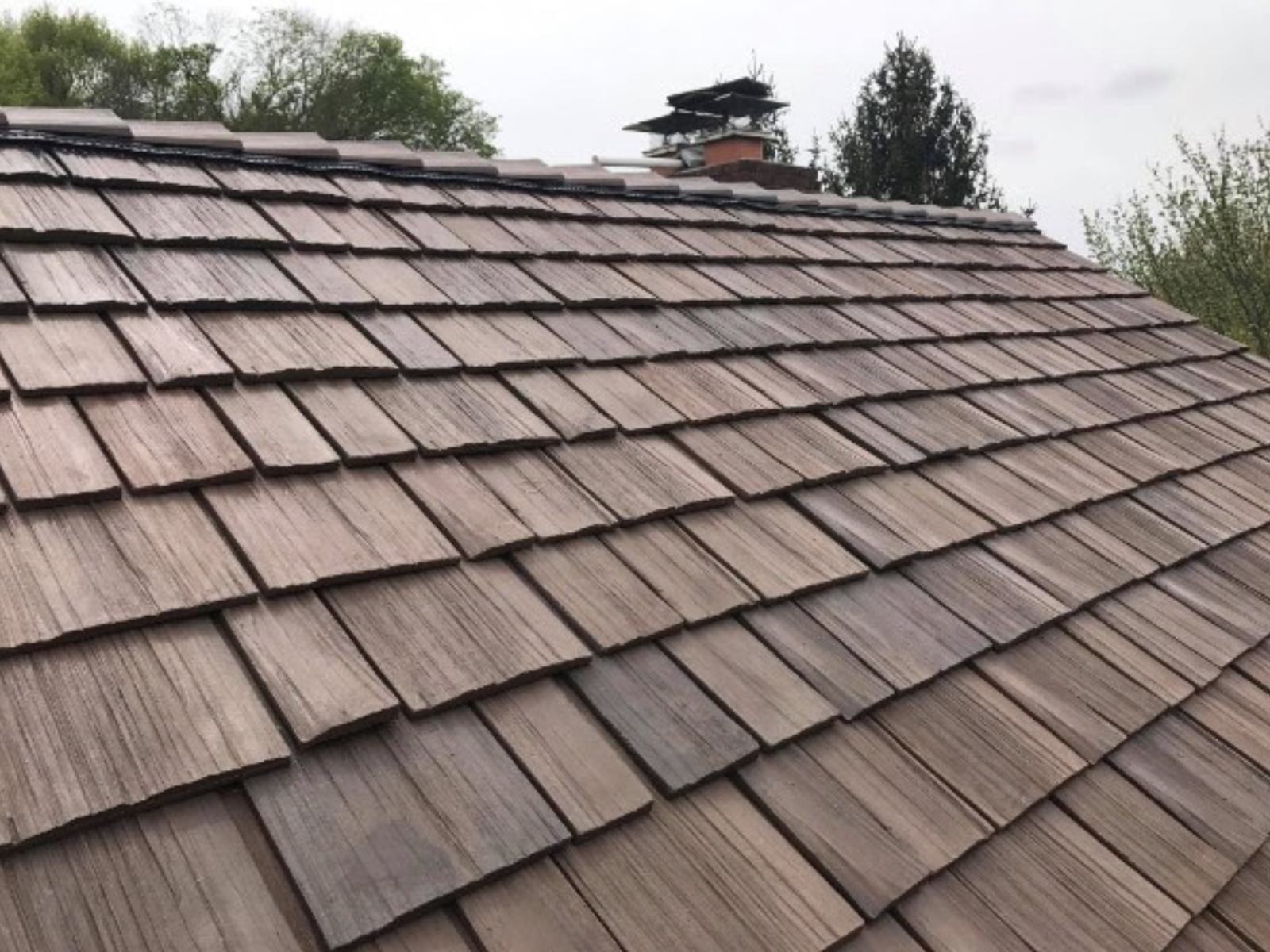
The fundamental concept of cedar roofing is the use of wood’s natural cellular structure to provide thermal resistance and durability. Homeowners typically approach cedar roofing as a high-end architectural choice. The primary goals are usually focused on achieving a specific “rustic” or “coastal” aesthetic while benefiting from wood’s natural R-value, which is significantly higher than that of asphalt shingles.
When evaluating cedar shake roofing pros and cons, the conversation often centers on the tension between beauty and maintenance. On the positive side, cedar is naturally resistant to insects and UV damage, and it can withstand high winds better than many lighter materials. On the negative side, being an organic material, it is susceptible to moisture-related issues such as moss, algae, and rot if not properly ventilated. Expectations for a cedar roof should be set at a 30-to-50-year lifespan, but achieving this requires a proactive management style that differs from “install and forget” synthetic systems.
Major Categories and Grades of Cedar Roofing
Not all wood roofs are the same. The distinction between a “shingle” and a “shake,” as well as the grain of the wood, dictates the roof’s performance and price.
| Category / Type | Description | Common Use Case | Effort / Cost Level |
| Hand-Split Shakes | Rough-hewn on the face; split by hand for a rustic look. | Traditional and historic homes. | High / High |
| Tapersawn Shakes | Sawn on both sides like a shingle but thicker. | Clean lines with heavy shadow lines. | Moderate / Medium |
| Perfection Shingles | Uniformly sawn; thinner and smoother than shakes. | Modern or coastal cottages. | Moderate / Medium |
| Pressure-Treated | Infused with fire retardants or fungal inhibitors. | Wildfire-prone or high-humidity areas. | High / Premium |
| Common Grade | Contains knots and flat grain; lower durability. | Outbuildings or budget-conscious builds. | Low / Low |
Choosing between these types requires balancing the desired “shadow line” (the thickness of the butt end) with the local environment. Premium “100% Edge Grain” cedar is the gold standard; it is cut perpendicular to the tree’s rings, meaning it is much less likely to warp, cup, or split over time compared to “Flat Grain” alternatives.
Practical Scenarios and Applications
Scenario 1: Coastal Salt-Air Environments
Homes near the ocean face constant moisture and salt spray, which can corrode metal but often preserves cedar if allowed to dry.
-
Components: White Cedar shingles, stainless steel fasteners, and breathable underlayment.
-
Steps: Install with wide gaps (1/4 to 3/8 inch) to allow for expansion; use stainless nails to prevent “bleeding” or rust streaks.
-
Relevance: Cedar is naturally resilient in salt air, and the shingles often weather to a sought-after “driftwood” gray in these locations.
Scenario 2: High-Wind Mountainous Regions
Properties at high altitudes face extreme gusts that can peel away standard shingles.
-
Components: Heavy hand-split shakes and interlaid felt strips.
-
Steps: Use an “interlay” method where felt is woven between each course of shakes to provide a secondary water barrier against wind-driven snow.
-
Relevance: The thickness and weight of heavy shakes provide superior wind resistance, often rated for 130 mph or higher.
Scenario 3: Shaded, High-Humidity Forest
A home located under a dense tree canopy where sunlight rarely reaches the roof surface.
-
Components: Pressure-treated (CCA) cedar and zinc or copper strips at the ridge.
-
Steps: Install zinc strips at the peak; as rain washes over them, metallic particles inhibit moss and mold growth down the slope.
-
Relevance: This scenario highlights the “cons” of cedar; without these preventative measures, the roof would likely fail within 15 years due to rot.
Comparison: Scenario 1 emphasizes cedar’s natural weathering, Scenario 2 focuses on its physical strength, and Scenario 3 addresses its biological vulnerability. Readers in damp climates must prioritize the preventative measures outlined in Scenario 3.
Planning, Cost, and Resource Considerations

Cedar roofing requires a significant financial commitment, often costing 2 to 3 times more than architectural asphalt. Planning must include not just the material, but the specialized labor of a “cedar-certified” roofer.
| Category | Estimated Amount / Effort | Explanation | Optimization Tips |
| Materials | $600 – $1,200 per square | 100 sq. ft. of premium edge-grain cedar. | Buy during the off-season for potential discounts. |
| Labor | High | Requires manual placement and specific nailing patterns. | Ensure the crew has specific cedar experience. |
| Ventilation | Moderate | Cedar Breather or specialized ridge vents. | Never skip the “breathable” underlayment layer. |
| Disposal | $500 – $1,500 | Old roof removal and recycling fees. | Cedar is biodegradable; look for green disposal. |
Note: Figures are examples for illustrative purposes; 1 “square” equals 100 square feet. Costs vary by region and wood market fluctuations.
Strategies, Tools, and Support Options
Effective cedar installation utilizes specific tools and strategies to manage wood’s natural movement.
-
Stainless Steel Fasteners: The only fasteners that will not react with cedar’s natural tannins.
-
Pros: No black streaks; long life. Cons: High material cost.
-
-
Cedar Breather: A nylon matrix underlayment that creates an air space under the shakes.
-
Pros: Allows the wood to dry from both sides. Cons: Adds an extra step to installation.
-
-
Zinc/Copper Strips: Strips installed at the ridge to prevent moss.
-
Pros: Low cost; high effectiveness. Cons: May create a slight metallic glint at the peak.
-
-
Topical Preservatives: Oil-based treatments applied every 5–7 years.
-
Pros: Extends life and maintains color. Cons: High recurring maintenance cost.
-
Safety, Risks, and Common Challenges
Cedar roofing presents unique challenges that can lead to premature failure if ignored.
-
Fire Risk: Untreated cedar is flammable. Prevention: Many municipalities require “Class A” fire-rated systems, which involve fire-treated shakes over a specific fire-resistant underlayment.
-
Improper Nailing: Over-driving nails or using too many can cause shakes to split. Prevention: Use a “two-nail” rule per shake, positioned 1 inch from the edge and 2 inches above the exposure line.
-
Debris Accumulation: Pine needles and leaves trapped between shakes hold moisture. Prevention: Regularly clear “valleys” and gaps to ensure water can flow freely.
-
Inadequate Ventilation: A “hot” attic will bake the cedar from below. Prevention: Ensure a balanced intake (soffit) and exhaust (ridge) system is in place.
Maintenance and Long-Term Management

Preserving a wood roof is a proactive process. Regular review is the most effective way to manage the cedar shake roofing pros and cons.
-
Annual Debris Removal: Use a leaf blower or soft brush to remove organic matter from the gaps (key-ways).
-
Moss/Algae Treatment: If green growth appears, use a specialized, non-bleach wood cleaner to kill the spores without drying out the wood.
-
Gutter Cleaning: Ensure water is not backing up under the eave shakes.
-
Visual Inspection: Check for “cupping” (curving upward) or “curling” (curving downward), which are signs of uneven drying.
-
Fastener Check: Look for “popped” nails that may have worked their way out due to seasonal expansion.
Documentation and Performance Tracking
Documenting the roof’s history is essential for insurance purposes and home resale value.
-
Quarry/Mill Certification: Keep the bundles’ labels to prove the wood is Certi-label® (graded by the Cedar Shake & Shingle Bureau).
-
Treatment Records: Save receipts for any fire-retardant or fungal-inhibitor treatments.
-
Maintenance Log: Record dates of cleanings and inspections.
Example 1: A homeowner saves the Certi-label® tags to prove to a future buyer that the roof is “Blue Label” (100% edge grain).
Example 2: An owner maintains a photo log of the roof’s color transition to demonstrate it is weathering evenly and is free of rot.
Closing Summary
Cedar shake roofing offers a unique combination of natural beauty, high thermal insulation, and historical prestige. While the cedar shake roofing pros and cons highlight a higher financial and maintenance commitment compared to synthetic materials, the result is a durable, wind-resistant roof that can last a lifetime if properly managed. For those who prioritize architectural integrity and sustainable materials, cedar remains a premier choice for residential protection.
FAQ
1. How long does a cedar shake roof actually last? With proper edge-grain wood and consistent maintenance (cleaning and treating), a cedar roof can last 30 to 50 years. Neglected roofs in damp climates may fail in as little as 15 years.
2. Can I pressure wash my cedar roof? No. High-pressure water can strip away the soft fibers of the wood, causing permanent damage and shortening its lifespan. Use low-pressure “soft wash” techniques instead.
3. Is cedar roofing environmentally friendly? Yes. Cedar is a renewable resource, is biodegradable, and provides natural insulation that can reduce a home’s carbon footprint by lowering energy usage.