Metal Roofing vs. Asphalt Shingles: 2026 Comparison Guide
Comparative Guide: Metal Roofing vs. Asphalt Shingles
Roofing selection is one of the most significant structural decisions a property owner faces, impacting a building’s longevity, energy efficiency, and aesthetic profile. The two most prominent materials used in modern residential construction are asphalt shingles and various forms of metal panels. Each material possesses distinct physical properties, installation requirements, and life-cycle behaviors that dictate their suitability for different climates and architectural styles.
This comprehensive guide examines the technical and practical differences between these two systems. Readers will gain an understanding of the material compositions, cost structures, and maintenance requirements necessary to make an informed decision. By evaluating metal roofing vs asphalt shingles through a neutral, data-driven lens, this article provides a foundational framework for understanding how these materials perform over decades of exposure to the elements.

Overview of Metal Roofing vs Asphalt Shingles
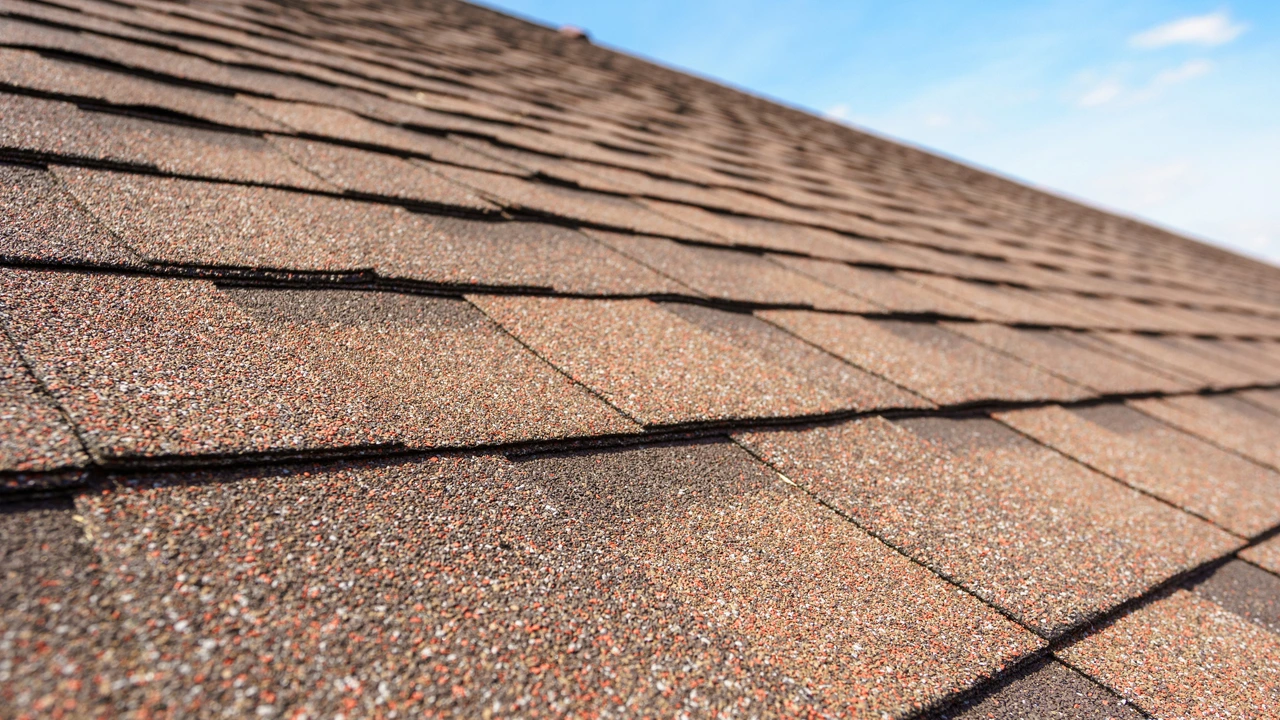
At its core, the debate regarding metal roofing vs asphalt shingles centers on the balance between initial affordability and long-term durability. Asphalt shingles are a composite material consisting of a fiberglass or organic mat saturated with asphalt and coated with mineral granules. They are designed for ease of installation and high versatility. In contrast, metal roofing typically involves large panels or individual shingles made of steel, aluminum, copper, or zinc.
Property owners commonly approach this decision by weighing the immediate financial outlay against the expected “service life” of the structure. The typical goal is to secure a weather-tight barrier that meets local building codes while managing thermal gain or loss. While asphalt shingles have historically dominated the market due to lower entry costs, metal roofing has seen increased adoption in regions prone to extreme weather or where environmental sustainability is a primary expectation.
Key Categories and Material Variations
Both metal and asphalt systems offer several sub-types that vary in performance and aesthetic impact. Understanding these variations is essential for accurate comparison.
| Category / Type | Description | Common Use Case | Effort / Cost Level |
| 3-Tab Asphalt | Single-layer shingles with a flat, uniform appearance. | Budget-conscious builds or rentals. | Low / Low |
| Architectural Asphalt | Multi-layered shingles that provide a dimensional look. | Standard residential housing. | Moderate / Medium |
| Standing Seam Metal | Panels joined by concealed fasteners above the water line. | Modern homes; high-precipitation areas. | High / High |
| Corrugated Metal | Thin, wavy metal sheets with exposed fasteners. | Agricultural buildings or outbuildings. | Moderate / Low-Medium |
| Stone-Coated Steel | Metal shingles coated in granules to look like tile or wood. | Luxury homes in wildfire-prone zones. | High / Very High |
Selecting between these types involves assessing the specific environmental stressors of a location. For example, architectural shingles provide a balance of weight and wind resistance suitable for most suburban environments, whereas standing seam metal is often prioritized for its superior shedding of heavy snow and resistance to leaks in complex roof geometries.
Practical Application Scenarios
Scenario 1: High-Wind Coastal Environment
Coastal regions face salt spray and high-velocity winds that can lift lighter materials.
-
Components: Aluminum panels (corrosion resistant), stainless steel fasteners, high-wind underlayment.
-
Steps: Detailed perimeter flashing, increased fastener frequency, and wind-uplift testing.
-
Relevance: This scenario highlights the necessity of material chemistry; aluminum is often preferred over steel here to prevent rust.
Scenario 2: Suburban “Fixer-Upper” Renovation
A homeowner intends to stay in a property for 5–7 years and needs to replace a leaking roof on a limited budget.
-
Components: Architectural asphalt shingles, synthetic underlayment, standard ridge vents.
-
Steps: Tear-off of old layers, deck inspection, shingle application, and gutter cleaning.
-
Relevance: The lower cost of asphalt shingles allows for immediate structural protection without a long-term ROI requirement.
Scenario 3: Off-Grid Sustainable Homestead
A property designed for maximum longevity and rainwater collection.
-
Components: Standing seam galvalume, snow guards, cistern-compatible coating.
-
Steps: Solar bracket integration, rainwater filtration setup, and insulation baffling.
-
Relevance: Metal is the primary choice here due to its “cool roof” properties and the fact that it does not shed petroleum-based granules into water collection systems.
Comparison: Scenario 1 and 3 favor metal for specialized performance (corrosion and water purity), while Scenario 2 favors asphalt for its economic accessibility. Readers intending to keep a property for over 30 years generally align with Scenario 3, while those prioritizing short-term liquidity align with Scenario 2.
Planning, Cost, and Resource Considerations
Preparation for a roofing project requires a detailed analysis of the existing roof deck and local labor rates. Because metal systems are heavier and require specialized tools, the labor portion of the budget is significantly higher than that of asphalt.
| Category | Estimated Effort | Explanation | Optimization Tips |
| Materials | 30%–50% of budget | The raw cost of shingles or metal panels. | Order 10% extra for waste/cuts. |
| Labor | 40%–60% of budget | Removal of old roof and installation of new. | Off-season (late fall) may offer lower rates. |
| Disposal | $500–$2,000 | Fees for dumpster rentals and landfill taxes. | Recycle metal scraps to recoup some costs. |
| Permits | $100–$1,000 | Municipal compliance and inspections. | Ensure the contractor handles the filing. |
Note: These figures are general estimates for a standard 2,000 sq. ft. roof and will vary based on regional economic factors.
Strategies, Tools, and Support Options
Successful outcomes depend on utilizing the correct installation strategies and support mechanisms.
-
Tear-off vs. Recover: Asphalt can sometimes be laid over one existing layer, whereas metal is often installed over furring strips (battens).
-
Advantages: Lower disposal cost. Disadvantages: Traps heat and adds weight.
-
-
Cool Roof Coatings: Reflective pigments applied to both metal and asphalt.
-
Advantages: Reduces AC bills. Disadvantages: Higher material cost.
-
-
Snow Guards: Small brackets for metal roofs to prevent “snow slides.”
-
Advantages: Protects landscaping and people. Disadvantages: Aesthetic impact.
-
-
Manufacturer Warranties: Comprehensive coverage for material defects.
-
Advantages: Peace of mind for 20–50 years. Disadvantages: Requires strict adherence to installation manuals.
-
Safety, Risks, and Common Challenges
Roofing is inherently hazardous and prone to technical errors that can lead to internal water damage.
-
Improper Ventilation: Failing to balance intake and exhaust. Result: Attic heat buildup that “bakes” asphalt shingles from the inside out.
-
Oil Canning: A wavy appearance in flat metal panels. Result: Purely aesthetic, but common in thinner gauge metals during temperature swings.
-
Expansion and Contraction: Metal panels move significantly with heat. Result: If fasteners are too tight, the panels may buckle or the screws may shear.
-
Incompatible Metals: Mixing copper and aluminum. Result: Galvanic corrosion that eats through the roof material rapidly.
Maintenance and Long-Term Management
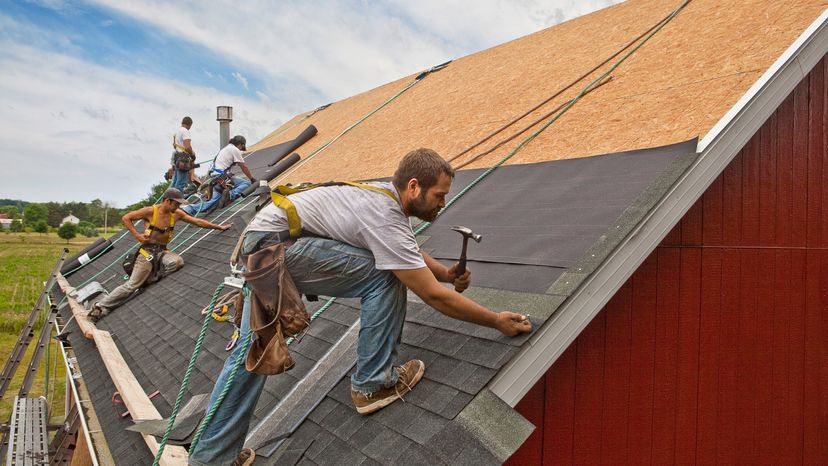
Ongoing review is the most effective way to extend the life of any roofing system. Regular maintenance prevents minor issues from becoming catastrophic failures.
-
Bi-Annual Gutter Cleaning: Prevents water from backing up under the eave shingles or metal flashing.
-
Tree Overhang Trimming: Keeps branches from scraping asphalt granules or denting metal panels.
-
Fastener Inspection: On exposed-fastener metal roofs, rubber washers (neoprene) should be checked every 10 years for UV degradation.
-
Moss and Algae Removal: Using zinc strips or specialized washes to prevent organic growth from lifting asphalt shingles.
Documentation and Reporting
Organizing information throughout the life of the roof assists in insurance claims and home resale. Documentation typically includes the contract, the specific SKU of the material used, and photos of the “underlayment” phase before it was covered.
-
Example 1: A homeowner keeps a digital folder of the “Ice and Water Shield” installation to prove to an insurance adjuster that the home meets modern leak-prevention standards.
-
Example 2: An owner of a metal roof maintains a record of the paint finish warranty (e.g., Kynar 500) to ensure the color-fade protection remains valid.
Closing Summary
In the comparison of metal roofing vs asphalt shingles, the decision rests on the projected duration of ownership and regional weather patterns. Asphalt shingles offer an accessible, reliable, and aesthetically traditional solution, while metal roofing provides a high-performance, long-service-life alternative with superior environmental resistance. Both systems require professional installation and consistent maintenance to function as intended.
FAQ
1. Is metal roofing noisier than asphalt shingles during rain? When installed with solid sheathing and modern insulation, the sound difference is negligible. The “drum” effect is typically only found in structures with open rafters, such as barns.
2. Does a metal roof increase the risk of a lightning strike? No. While metal conducts electricity, it does not “attract” it. Furthermore, metal is non-combustible, which can be a safety advantage in the event of a strike.
3. Which is better for solar panel installation? Metal roofs, particularly standing seam, are often considered superior for solar because panels can be clamped to the seams without piercing the roof surface.