Best Energy Efficient Roofing Materials: 2026 Educational Guide
A Comprehensive Guide to Energy-Efficient Roofing Materials
Energy-efficient roofing refers to the use of specific materials and design strategies intended to minimize a building’s thermal gain from solar radiation. In a standard home, the roof is the primary point of heat transfer; during summer months, dark traditional roofs can reach temperatures significantly higher than the ambient air, forcing HVAC systems to work harder. By selecting materials with high solar reflectance and thermal emittance, property owners can stabilize indoor temperatures and reduce the environmental footprint of their structures.
This guide provides a neutral, educational examination of the best energy efficient roofing materials available in the modern market. It explores the scientific principles of “cool roofs,” compares various material categories, and outlines the practical considerations for installation and long-term performance. Readers will gain a foundational understanding of how roofing choices impact energy consumption and how to plan for a high-performance roof replacement or new build.
Understanding Best Energy Efficient Roofing Materials
The core objective of an energy-efficient roof is to manage the “Solar Reflectance Index” (SRI). SRI is a measure that combines solar reflectance (the ability to reflect sunlight) and thermal emittance (the ability to release absorbed heat). Materials with a high SRI remain cooler under direct sun, which prevents heat from migrating into the attic and living spaces below.
Property owners typically approach the selection of the best energy efficient roofing materials with the goal of lowering utility bills and increasing the lifespan of the roofing system itself. Excessive heat causes materials to expand and contract rapidly—a process known as thermal shock—which leads to premature degradation. By maintaining a more consistent temperature, the structural integrity of the roof deck and the roofing material is preserved over a longer period.
Major Categories of Energy-Efficient Materials
Energy efficiency is achieved through different physical properties, ranging from the inherent reflectivity of metals to the thermal mass of clay.
| Category / Type | Description | Common Use Case | Effort / Cost Level |
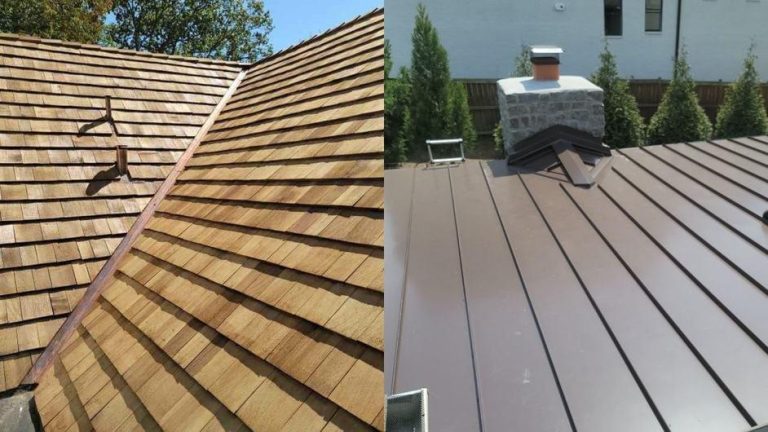
| Cool-Color Metal | Metal panels coated with infrared-reflective pigments. | Modern residential and commercial buildings. | High / High |
| White Membrane (TPO/PVC) | Bright white synthetic sheets that reflect nearly all UV rays. | Flat or low-slope roofs. | Moderate / Medium |
| Terra Cotta / Clay Tiles | Heavy tiles with natural air pockets that provide insulation. | Mediterranean or Southwestern architecture. | High / Very High |
| Reflective Asphalt | Shingles embedded with specially coated cooling granules. | Standard suburban residential homes. | Low / Low-Medium |
| Green (Vegetative) Roofs | A layer of living plants over a waterproof membrane. | Urban areas requiring storm water management. | Very High / Premium |
Choosing between these options requires an analysis of the local climate. For example, while white membranes are exceptionally efficient in hot, sunny climates (the “Sun Belt”), they may lead to slightly higher heating costs in extremely cold regions where “solar gain” is actually desirable during winter.
Practical Scenarios and Applications
Scenario 1: Arid, High-Heat Environment
In regions like the Southwestern United States, intense solar radiation is the primary concern.
-
Elements: Light-colored concrete tiles, radiant barrier underlayment, and ridge venting.
-
Steps: Installation of a high-SRI tile system followed by the sealing of all thermal bypasses in the attic.
-
Relevance: This scenario prioritizes thermal emittance, allowing the roof to cool down rapidly once the sun sets.
Scenario 2: Urban Heat Island Mitigation
In densely populated cities, dark roofs contribute to higher localized temperatures.
-
Elements: White TPO (Thermoplastic Polyolefin) membrane and high-density polyiso insulation boards.
-
Steps: Leveling the roof deck, laying insulation for high R-value, and heat-welding the white membrane seams.
-
Relevance: White roofs in urban centers significantly reduce the “heat island” effect, benefiting both the building owner and the surrounding neighborhood.
Scenario 3: Mixed-Climate Residential Retrofit
A standard home in a region with four distinct seasons seeking a balance between summer cooling and winter durability.
-
Elements: “Cool” architectural asphalt shingles and solar-powered attic fans.
-
Steps: Removing old shingles, installing a breathable synthetic underlayment, and applying reflective shingles.
-
Relevance: This is the most common approach for homeowners who want to improve efficiency without changing the traditional aesthetic of their home.
Comparison: Scenario 1 focuses on high-mass materials, Scenario 2 focuses on maximum reflectance, and Scenario 3 focuses on cost-effective upgrades. Readers in strictly hot climates suit Scenario 2, while those in variable climates generally lean toward Scenario 3.
Planning, Cost, and Resource Considerations

Transitioning to energy-efficient roofing requires higher upfront planning to ensure that the insulation and ventilation systems work in harmony with the new materials.
| Category | Estimated Effort | Explanation | Optimization Tips |
| Material Premium | 10%–20% | The added cost for reflective coatings or specialized tiles. | Look for Energy Star certified products to qualify for rebates. |
| Insulation Upgrade | Moderate | Adding “blown-in” or board insulation to meet R-60 standards. | Seal air leaks around chimneys and pipes first. |
| Ventilation Audit | Low-Moderate | Ensuring intake (soffit) and exhaust (ridge) vents are balanced. | A cooler roof works best when the attic air is moving. |
| Professional Labor | High | Installation by contractors certified in specific efficient systems. | Hire a professional who understands “thermal bridging.” |
Note: These figures are examples and vary based on square footage and regional labor rates.
Reflective Strategies and Support Options
Beyond the materials themselves, several strategies can enhance the energy performance of a roof.
-
Radiant Barriers: A thin layer of reflective foil installed under the roof rafters.
-
Advantages: Reflects up to 97% of radiant heat. Disadvantages: Only works if there is an air gap; dust buildup can reduce effectiveness over time.
-
-
Above-Sheathing Ventilation (ASV): Creating a “second skin” with an air gap between the deck and the shingles.
-
Advantages: Allows heat to escape before it enters the house. Disadvantages: More complex and expensive to construct.
-
-
Tax Credits and Rebates: Government or utility programs that subsidize the cost of the best energy efficient roofing materials.
-
Advantages: Offsets the initial material premium. Disadvantages: Requires specific paperwork and strict adherence to SRI ratings.
-
-
Roof Coatings: Liquid-applied silicone or acrylic coatings.
-
Advantages: Can be applied to existing roofs to boost reflectivity. Disadvantages: Temporary solution; requires re-application every 5–10 years.
-
Safety, Risks, and Common Challenges
Energy-efficient roofs introduce unique technical challenges that must be addressed during the design phase.
-
Condensation in Cold Climates: Highly reflective roofs stay so cool that moisture can condense on the underside of the deck in winter. Prevention: Ensure robust vapor barriers and adequate attic ventilation.
-
Glarity and Sightlines: Very bright white roofs can create a glare nuisance for neighbors or pilots. Prevention: Check local HOA rules or municipal “dark sky” ordinances before selecting a high-reflectance membrane.
-
The “Winter Heat Penalty”: In very cold climates, a reflective roof prevents “free” heat from the sun during winter. Prevention: Offset this with higher R-value insulation in the attic floor.
-
Improper Installation of ASV: If air gaps are blocked by debris or nesting animals, the cooling effect is lost. Prevention: Install stainless steel mesh over all ventilation gaps.
Maintenance and Best Practices
To maintain the high SRI of energy-efficient materials, the surface must remain clean and unobstructed.
-
Surface Cleaning: Dirt and soot buildup can significantly reduce the reflectivity of white roofs. Perform a low-pressure wash every 1–2 years.
-
Ventilation Clearance: Annually check that soffit vents are not blocked by insulation or bird nests.
-
Coating Integrity: For coated roofs, inspect for “chalking” or peeling, which indicates the UV protection is thinning.
-
Sealant Inspection: Check the seals around “cool” skylights or solar tubes to prevent thermal leaks.
Documentation and Energy Reporting
Documenting the performance of an energy-efficient roof is essential for verifying the return on investment and for future property valuations.
-
Energy Star Certification: Keep the manufacturer’s data sheet showing the initial and “3-year aged” solar reflectance values.
-
Utility Bill Tracking: Compare year-over-year kilowatt-hour usage for the same months to track cooling savings.
-
Example 1: A homeowner provides the SRI data sheet to their appraiser to justify a higher home value based on lower operating costs.
-
Example 2: A commercial building manager uses a “Cool Roof Rating Council” (CRRC) report to secure a municipal property tax abatement.
Closing Summary
The selection of the best energy efficient roofing materials is a primary strategy for sustainable building management. By prioritizing materials with high solar reflectance and thermal emittance—such as cool-metal panels, white membranes, or reflective shingles—property owners can significantly reduce indoor temperatures and energy expenses. Successful implementation requires a holistic approach that combines material science with proper insulation and ventilation.
FAQ
1. Does a white roof actually save money in the winter? In most climates, the cooling savings in the summer far outweigh the slight increase in heating costs in the winter. However, in extreme northern climates, a gray or “cool-colored” roof may be a better balance.
2. What is the Solar Reflectance Index (SRI)? SRI is a value from 0 to 100 that indicates how “cool” a roof is. A standard black roof is around 0, while a bright white roof can exceed 100.
3. Can I make my existing roof energy efficient? Yes. Applying a professional-grade reflective coating is a common way to improve the efficiency of an existing metal or flat roof without a full replacement.