Flat Roof Replacement Cost per Square Foot: 2026 Guide
The Comprehensive Guide to Flat Roof Replacement
Flat roof replacement is a specialized segment of the construction industry necessitated by the unique structural challenges of low-slope architecture. Unlike sloped roofs that rely on gravity to shed water, flat roofs must function as a continuous, waterproof membrane to prevent “ponding” and structural infiltration. Understanding the variables involved in a replacement project is essential for property owners to ensure the longevity of their building’s envelope and the safety of the interior environment.
This guide provides a detailed, objective analysis of the technical and financial components that define a successful roofing project. Readers will explore the different membrane technologies available, the logistical steps involved in a professional tear-off and installation, and the specific factors that influence the flat roof replacement cost per square foot. By the end of this article, property owners will be equipped with the foundational knowledge required to plan a comprehensive and durable roofing strategy.
Overview of Flat Roof Replacement Cost per Square Foot
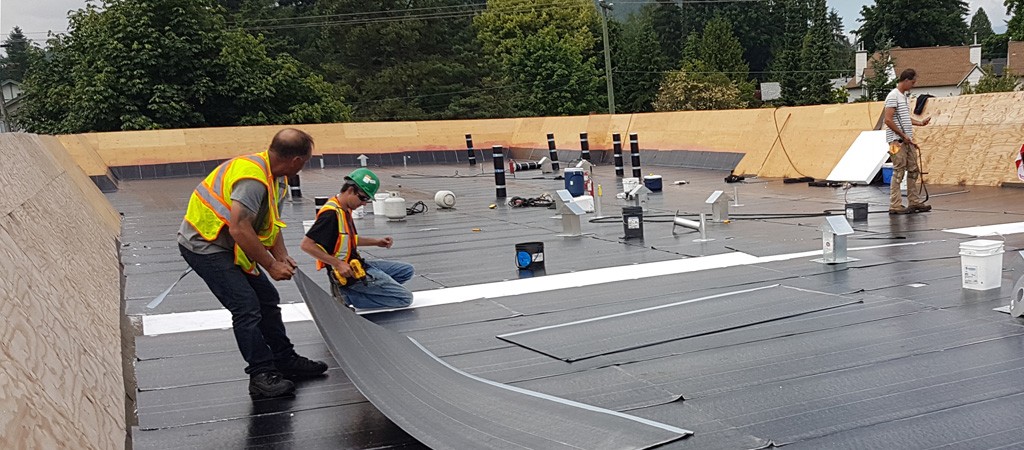
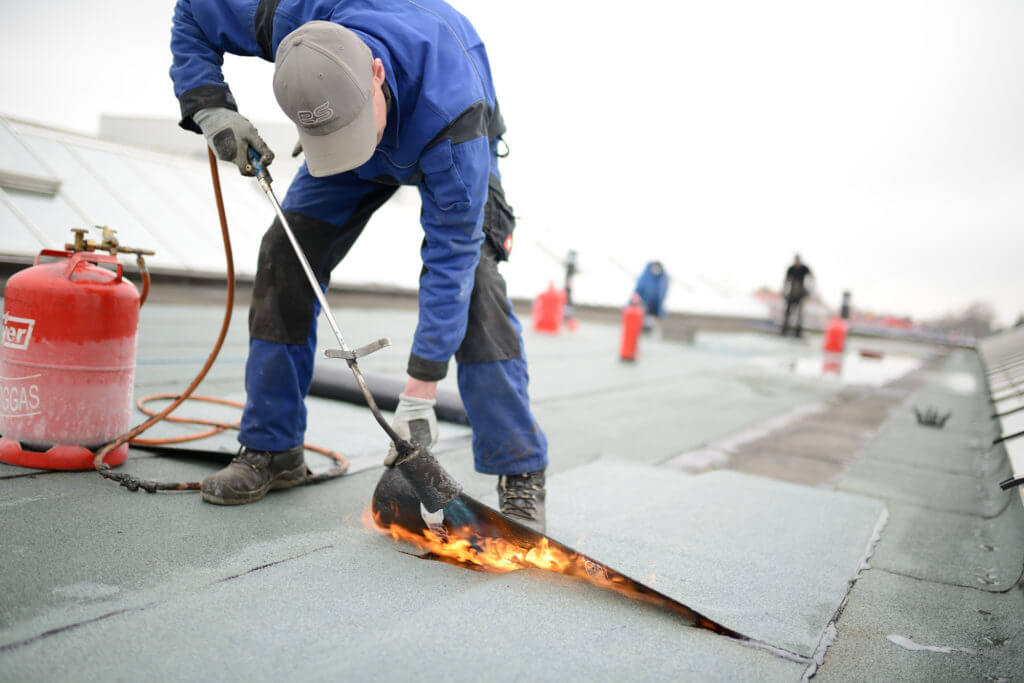
At its core, a flat roof replacement involves the removal of existing exhausted materials and the installation of a new, weather-tight barrier. The flat roof replacement cost per square foot is a metric used by professionals to standardize the pricing of diverse materials and labor requirements. This figure typically includes the cost of the membrane, insulation boards, adhesive or mechanical fasteners, and the specialized labor required for heat-welding or chemical bonding of seams.
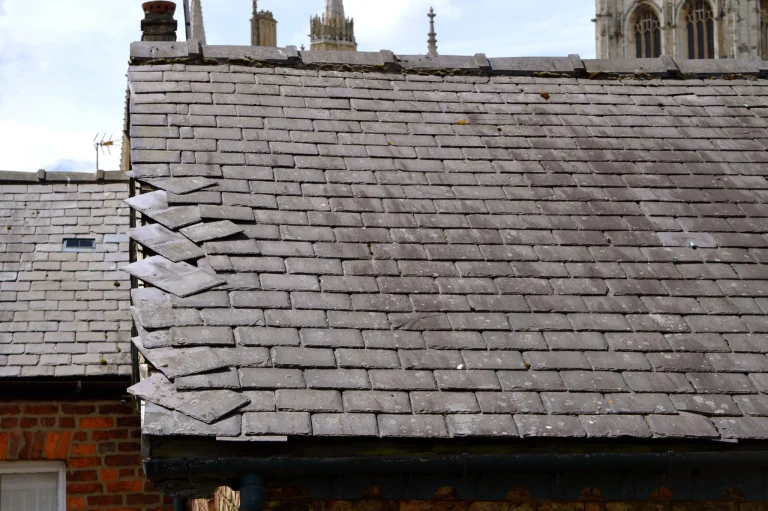
Property owners typically approach this task when an existing roof has reached the end of its service life—usually between 15 and 30 years—or when multiple leaks indicate systemic failure. The goal of a replacement is to establish a monolithic surface that can withstand UV radiation, thermal expansion, and standing water. Expectations for a modern replacement include improved thermal efficiency through updated insulation (R-value) and a significant reduction in long-term maintenance costs.
Major Categories of Flat Roof Membranes
Flat roofing has evolved from traditional asphalt-based systems to advanced synthetic polymers. Each material offers a different balance of durability, reflectivity, and installation complexity.
| Category / Type | Description | Common Use Case | Effort / Cost Level |
| EPDM (Rubber) | A durable synthetic rubber membrane (Ethylene Propylene Diene Monomer). | Large commercial warehouses; residential garages. | Moderate / Low-Medium |
| TPO (Thermoplastic) | A white, highly reflective single-ply membrane made of polypropylene and ethylene-propylene. | Retail centers and “cool-roof” residential projects. | Moderate / Medium |
| PVC (Polyvinyl) | A high-performance plastic membrane known for chemical and fire resistance. | Restaurants (grease resistance) and luxury homes. | High / High |
| Modified Bitumen | Asphalt based with added modifiers for flexibility, installed in multiple plys. | Smaller residential porches or balconies. | High / Medium |
| Built-Up Roof (BUR) | Traditional “tar and gravel” consisting of alternating layers of bitumen and fabric. | Industrial heavy-duty applications. | Very High / Medium-High |
Choosing between these systems depends on the building’s specific needs. For instance, TPO is often selected for its energy efficiency, whereas PVC is preferred in environments where the roof may be exposed to oils or harsh chemicals. EPDM remains a popular choice for those prioritizing ease of repair and long-term weathering.
Practical Scenarios and Applications
Scenario 1: Retail Center “Cool Roof” Upgrade
In this scenario, a commercial property owner replaces a dark, heat-absorbing roof with a white reflective system to reduce cooling costs.
-
Elements: White TPO membrane, high-density polyiso insulation, and heat-welded seams.
-
Steps: Complete removal of the old substrate, installation of tapered insulation to improve drainage, and application of the TPO membrane.
-
Relevance: This is a high-priority scenario for urban areas facing “heat island” effects and rising energy prices.
Scenario 2: Residential Modern Home Retrofit
A homeowner with a contemporary flat-roof design requires a high-aesthetic, durable solution that can support a future roof deck.
-
Elements: Reinforced PVC membrane and heavy-duty walkway pads.
-
Steps: Inspection of the structural joists, installation of a vapor barrier, and mechanical attachment of the PVC sheets.
-
Relevance: PVC is ideal here due to its puncture resistance and the strength of its heat-welded seams, which are stronger than the material itself.
Scenario 3: Industrial Multi-Ply Restoration
A factory with high foot traffic and mechanical equipment on the roof requires a robust, multi-layered system.
-
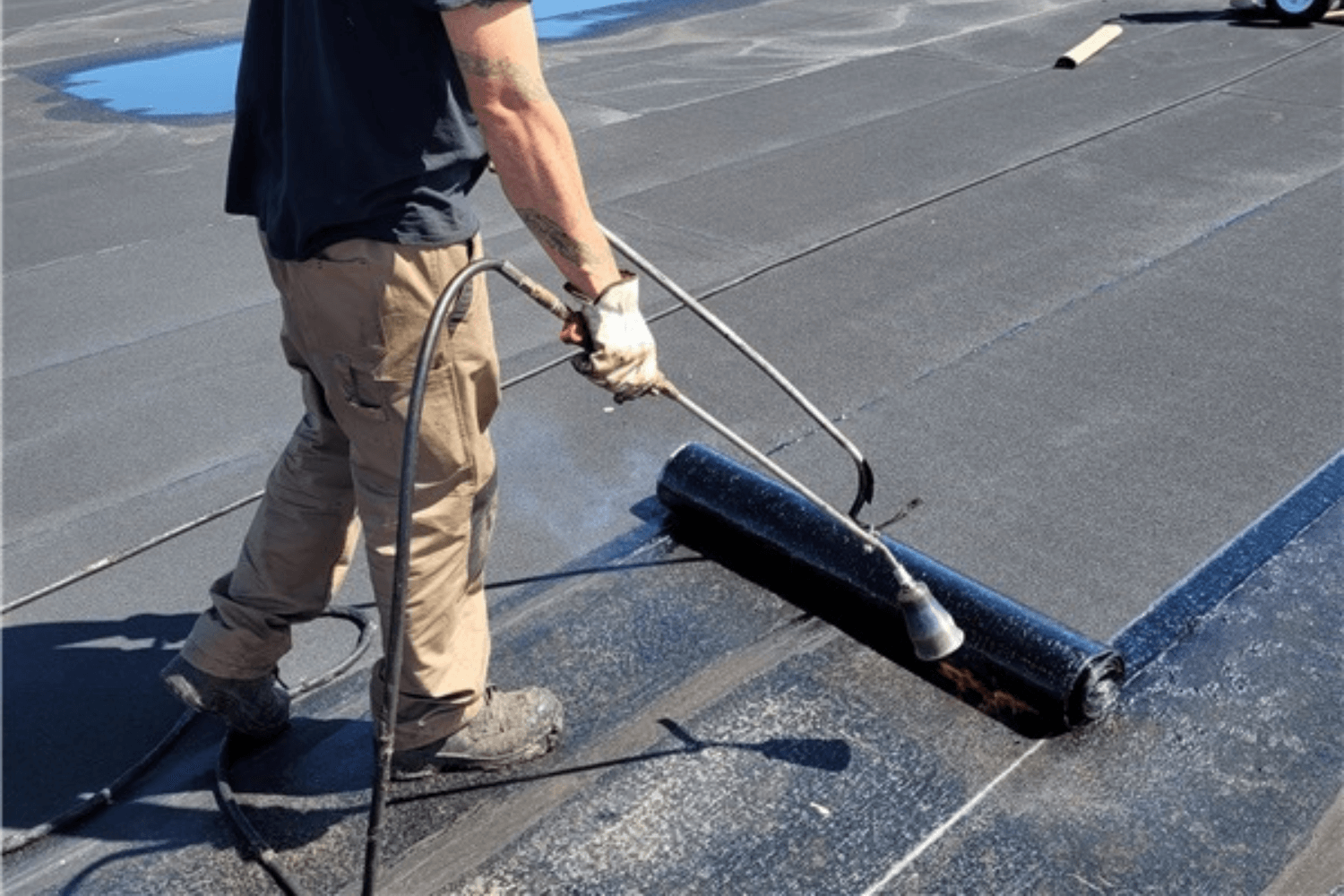
Elements: Modified bitumen (torch-down or cold-applied) and granule-surfaced cap sheets.
-
Steps: Surface preparation, base sheet installation, and the application of a mineral-surfaced cap sheet for UV protection.
-
Relevance: This scenario suits environments where workers frequently access HVAC units or other heavy machinery.
Comparison: Scenario 1 and 2 focus on single-ply modern synthetics that prioritize energy and weight, while Scenario 3 relies on the “redundancy” of multiple layers for physical durability. Readers with large square footage usually favor Scenario 1, while those with smaller, high-traffic roofs suit Scenario 3.
Planning, Budgeting, and Resource Considerations
Meticulous planning is required to manage the flat roof replacement cost per square foot, as unforeseen structural issues can quickly inflate a budget once the old roof is removed.
| Category | Estimated Effort | Explanation | Optimization Tips |
| Tear-Off / Disposal | 20% of budget | Removing and hauling away the old roofing layers. | Recyle old EPDM or metal flashing to offset costs. |
| Insulation (R-Value) | 30% of budget | Rigid foam boards required by modern building codes. | Use “tapered” insulation to solve drainage issues. |
| Membrane / Labor | 40% of budget | The actual roofing material and the skilled labor to install it. | Install during “dry” seasons to avoid emergency tarping costs. |
| Permits / Flashing | 10% of budget | Municipal fees and specialized metal work around edges. | Ensure all penetrations (vents) are replaced at this time. |
Note: Figures are examples for illustrative purposes. Actual costs vary by region, building height, and roof complexity.
Strategies, Tools, and Support Options
Technical support and specific installation strategies are critical for the long-term success of a flat roof.
-
Tapered Insulation Systems: A strategy where insulation is cut at an angle to create artificial slopes.
-
Advantages: Eliminates standing water. Disadvantages: Higher material cost and complex installation.
-
-
Infrared Moisture Surveys: A diagnostic tool used to find trapped water in the old roof before replacement.
-
Advantages: Prevents “roofing over” wet insulation. Disadvantages: Requires a specialized technician.
-
-
Heat Induction Welding (RhinoBond): A tool that welds the membrane to the plates underneath without piercing the membrane.
-
Advantages: Superior wind uplift resistance. Disadvantages: Requires specific specialized equipment.
-
-
Manufacturer Inspection: Many companies offer a third-party inspection for high-value warranties.
-
Advantages: Ensures the installer followed all specifications. Disadvantages: May require a separate fee.
-
Safety, Risks, and Common Challenges

Flat roofing involves working at heights and often utilizes high-heat tools, presenting several risks.
-
Improper Seam Welding: If seams are not welded at the correct temperature, they will eventually fail. Prevention: Contractors should perform “peel tests” every morning to calibrate their welding tools.
-
Structural Overloading: Adding new layers over old ones can exceed the weight limit of the building. Prevention: A full “tear-off” is always recommended over a “recover.”
-
Vapor Drive: Moisture from inside the building rising and getting trapped under the membrane. Prevention: Install a dedicated vapor retarder between the deck and insulation.
-
Inadequate Flashing Heights: Water can splash up over the edges if the membrane does not extend high enough on the walls. Prevention: Maintain a minimum 8-inch flashing height on all parapet walls.
Maintenance and Long-Term Management
A flat roof requires a proactive management strategy to achieve its full intended lifespan.
-
Quarterly Drain Inspections: Clear leaves, gravel, and debris from drains and scuppers to prevent ponding.
-
Sealant Review: Check “pitch pockets” and caulking around pipes, as these typically fail before the main membrane does.
-
Edge Metal Inspection: Ensure wind hasn’t loosened the perimeter metal, which can lead to wind-uplift failure.
-
Walking Path Enforcement: Restrict foot traffic to designated walkway pads to prevent accidental punctures.
Documentation and Reporting
Organizing project data is essential for maintaining the manufacturer’s warranty and for future real estate transactions.
-
The Roof Map: A diagram showing the location of all drains, HVAC units, and seam lines.
-
Warranty Certificate: A legal document from the manufacturer (NDL—No Dollar Limit is the gold standard).
-
Photographic Evidence: Documentation of the “hidden” components, such as the insulation layout and vapor barrier.
Example 1: A building owner saves the heat-welding log to prove to an insurance company that the seams were tested to industry standards.
Example 2: An industrial manager keeps a maintenance log showing bi-annual drain cleanings to keep the 20-year warranty active.
Closing Summary
A flat roof replacement is a technical investment that hinges on selecting the correct membrane and ensuring meticulous seam integrity. While the flat roof replacement cost per square foot varies by material and complexity, the long-term value is found in high-quality insulation and proper drainage. Regular maintenance and professional documentation remain the best strategies for protecting this significant structural asset.
FAQ
1. Why is flat roofing more expensive than asphalt shingles? Flat roofs require specialized materials that act as a single waterproof tank. The labor for welding or bonding these seams is more technical than nailing shingles.
2. What is “ponding water” and why is it dangerous? Ponding is water that remains on the roof for more than 48 hours. The weight can cause structural sagging and the standing water can degrade the membrane through UV magnification.
3. Can I walk on my flat roof? While membranes are durable, regular foot traffic can cause punctures. It is best to install dedicated walkway pads in high-traffic areas near equipment.