Hail Damage Roof Insurance Claim: The 2026 Editorial Guide
Comprehensive Guide to Hail Damage Roof Insurance Claims
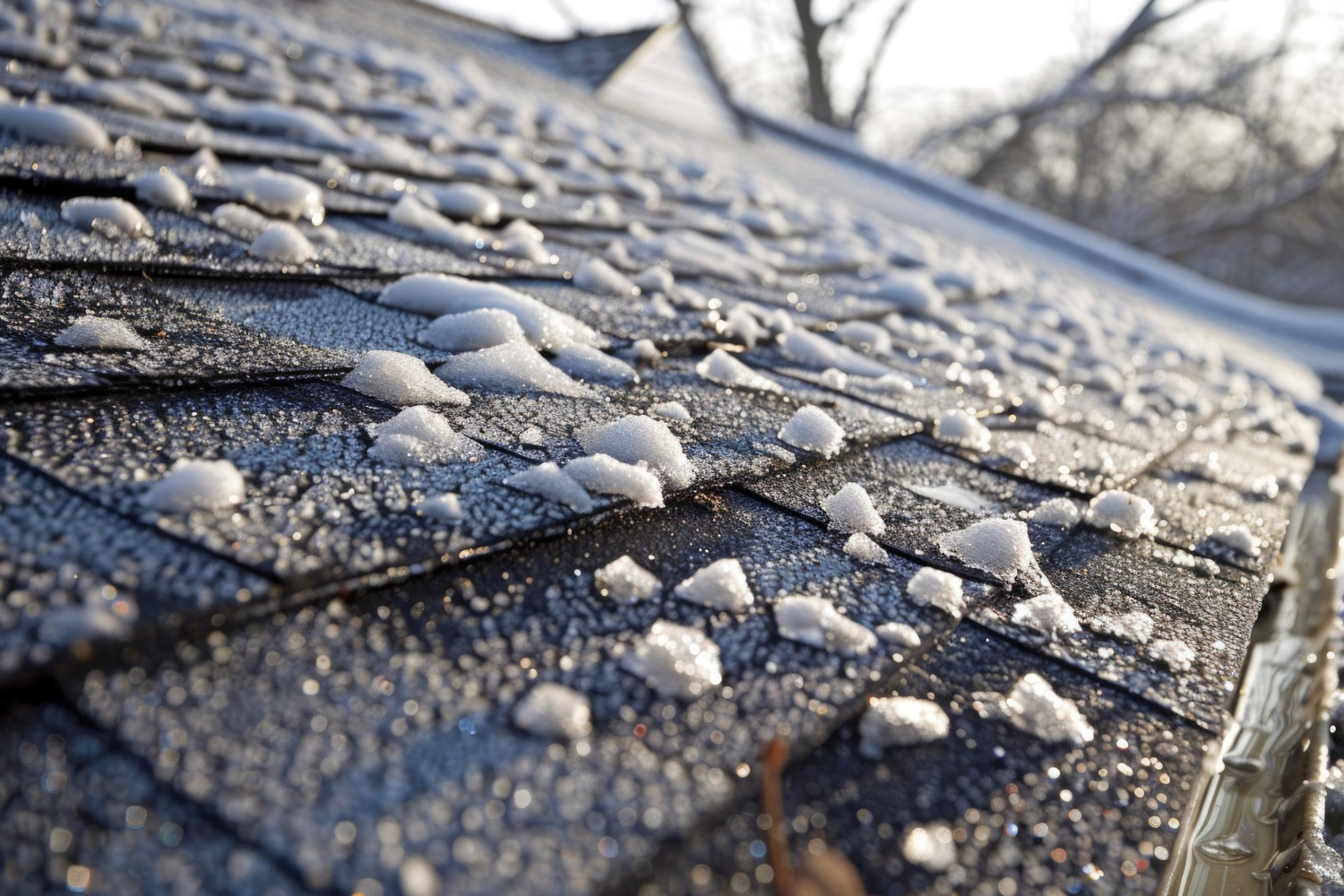
A hail damage roof insurance claim is a formal request made by a policyholder to their insurance provider for financial compensation to repair or replace a roofing system damaged by a hailstorm. Hailstones can vary significantly in size, from small pea-sized pellets to large, jagged stones exceeding the size of baseballs. When these stones impact a roof, they can cause structural compromises, including the fracturing of shingles, the removal of protective granules, or the denting of metal panels. Because the roof serves as the primary barrier against the elements, identifying and addressing this damage promptly is essential for maintaining the integrity of the entire building.
This guide provides a neutral and educational overview of the claims process, the technical aspects of hail impact, and the logistical steps required to navigate an insurance settlement. Readers will learn how to identify different types of hail damage, the standard procedures for filing a hail damage roof insurance claim, and the roles of various professionals involved in the assessment. By understanding the contractual and practical requirements of the insurance industry, property owners can approach the recovery process with a clear framework for achieving a fair and durable outcome.

Overview of Hail Damage Roof Insurance Claim
The core concept of a hail damage roof insurance claim is based on the principle of indemnification, which aims to return the policyholder to the same financial position they were in prior to the loss. Insurance companies typically view hail as a “sudden and accidental” peril. When a storm occurs, homeowners commonly approach the situation by seeking an inspection to determine if the damage exceeds their policy deductible. The goal is to secure a settlement that covers the cost of “like-kind and quality” repairs or a full replacement if the damage is sufficiently widespread.
In the insurance industry, a claim is not merely about the existence of damage, but about proving that the damage resulted from a specific weather event during the policy period. Expectations should be managed regarding timelines; following a major regional storm, adjusters and contractors are often in high demand, which can lead to delays in inspection and processing. The outcome of a claim depends on the policy language—such as Replacement Cost Value (RCV) versus Actual Cash Value (ACV)—and the ability to provide clear, empirical evidence of the hail impact.
Key Categories of Roof Hail Damage
Hail affects different roofing materials in distinct ways. Understanding these categories helps in identifying what an insurance adjuster will look for during an inspection.
| Category / Type | Description | Common Use Case | Effort / Cost Level |
| Granule Loss | Removal of the outer mineral layer on asphalt shingles. | Standard residential roofs. | Low / Moderate |
| Fractured Mat | Impact that breaks the fiberglass or organic base of a shingle. | Severe storms; older shingles. | Moderate / High |
| Metal Denting | Cosmetic or structural indentations on metal panels or vents. | Modern residential or commercial. | Moderate / Medium |
| Cracked Tile | Physical breakage of clay or concrete roofing tiles. | Southwestern or Mediterranean styles. | High / Very High |
| Collateral Damage | Dents on soft metals like gutters, downspouts, and AC units. | Evidence of storm intensity. | Low / Low |
Choosing how to proceed with these categories depends on the severity. While cosmetic denting on a metal roof might not compromise its function, a fractured mat in an asphalt shingle creates an immediate path for water infiltration. Adjusters often look for “collateral damage” on softer items to confirm that a significant hail event actually took place at the property location.
Practical Scenarios in the Claims Process
Scenario 1: The Subtle Leak Post-Storm
A homeowner notices small granules in their gutters after a storm but no visible holes in the roof.
-
Components: Professional inspection, shingle samples, gutter analysis.
-
Steps: Document granule accumulation, hire a contractor for a “test square” inspection, and compare against historical storm data.
-
Relevance: This scenario is critical because granule loss reduces UV protection, which accelerates roof aging even if a leak is not immediate.
Scenario 2: Severe Impact with Visible Fractures
Large hail (2+ inches) strikes a roof, creating visible circular “bruises” or cracks in the shingles.
-
Components: Emergency tarping, adjuster site visit, full roof measurement.
-
Steps: Mitigate further damage with tarps, file the claim immediately, and meet the adjuster on-site to point out fractures.
-
Relevance: This scenario typically qualifies for a full roof replacement under most “Replacement Cost” policies due to the compromised structural integrity.
Scenario 3: Disputed Claim and Independent Appraisal
An insurance company denies a claim, stating the damage is “wear and tear” rather than hail impact.
-
Components: Independent engineer report, appraisal clause invocation.
-
Steps: Hire an independent roof consultant, request a re-inspection, and enter the formal appraisal process if a disagreement persists.
-
Relevance: This is a common path for older roofs where distinguishing between age-related degradation and storm damage requires technical expertise.
Comparison: Scenario 1 requires patience and monitoring, Scenario 2 is a straightforward urgent claim, and Scenario 3 involves a technical dispute. Readers with newer roofs generally face Scenario 2, while those with roofs over 15 years old are more likely to encounter Scenario 3.
Planning, Cost, and Resource Considerations
Planning for a hail damage roof insurance claim requires an understanding of the financial obligations of the policyholder, primarily the deductible.
| Category | Estimated Amount / Effort | Explanation | Optimization Tips |
| Deductible | $500 – $5,000+ | The out-of-pocket amount the policyholder must pay. | Know if your deductible is a flat fee or a percentage of home value. |
| Inspection Fee | $0 – $300 | Some contractors inspect for free; engineers charge fees. | Use a reputable local contractor who offers free storm damage checks. |
| Temporary Repairs | $200 – $1,000 | Cost of tarps and labor to stop active leaks. | These costs are usually reimbursable as “loss mitigation.” |
| Depreciation | Variable | Value withheld by the insurer based on the roof’s age. | Ensure you have a “Replacement Cost Value” (RCV) policy. |
Note: Figures are examples for illustrative purposes; actual costs depend on policy terms and regional labor rates.
Strategies, Tools, and Support Options
Navigating the insurance bureaucracy is more effective when utilizing specific support mechanisms.
-
Storm Tracking Software: Databases that map hail size and path using radar data.
-
Advantages: Provides empirical proof of the storm date. Disadvantages: Accuracy can vary at the street level.
-
-
Public Adjusters: Licensed professionals who represent the policyholder for a fee.
-
Advantages: Handles all communication and negotiation. Disadvantages: Typically takes a percentage (10-15%) of the total claim.
-
-
The Appraisal Clause: A policy provision used to settle disputes over the “amount of loss.”
-
Advantages: Avoids litigation. Disadvantages: Both parties must pay for their own appraiser.
-
-
Manufacturer’s Certification: Documentation from the shingle maker regarding impact resistance.
-
Advantages: Helps prove that hail exceeded the product’s design limits.
-
Safety, Risks, and Common Challenges
Filing a claim involves physical and financial risks that require careful management.
-
Fall Hazards: Climbing a roof to inspect damage is inherently dangerous. Prevention: Always use a licensed, insured professional with proper safety gear.
-
Contractor Fraud: “Storm chasers” may offer to pay your deductible, which is illegal in many states. Prevention: Hire local, established companies and never sign over an insurance check upfront.
-
Partial Settlements: An insurer may offer to repair only one slope of the roof. Prevention: Check state “matching laws” which may require a full replacement if colors do not match.
-
Statute of Limitations: Most policies have a 1-year or 2-year window to file a claim. Prevention: File the claim as soon as the storm occurs to avoid missing the deadline.
Maintenance and Long-Term Management
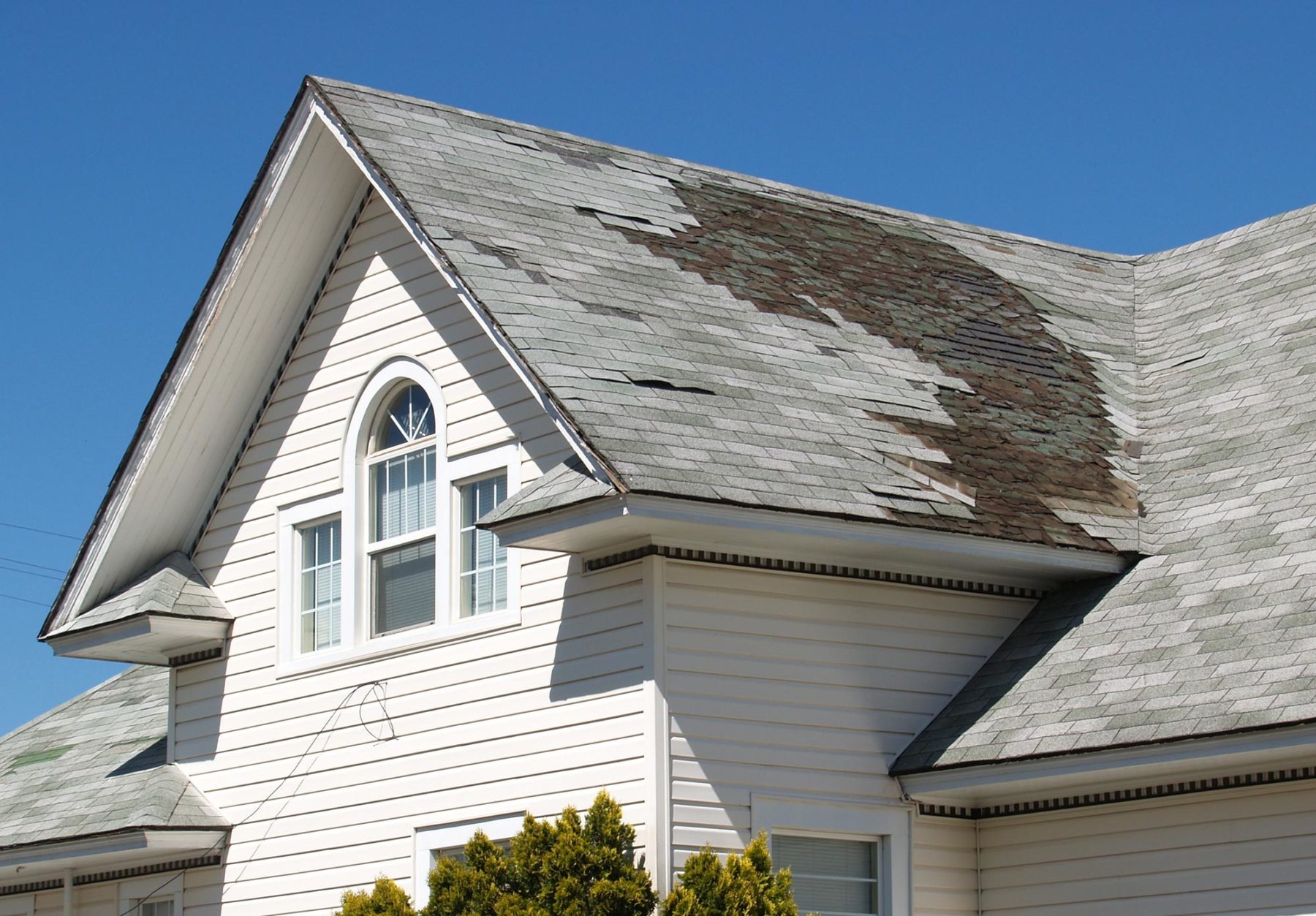
Ongoing roof management ensures that when a storm does hit, the damage is clearly “new” and not a result of neglect.
-
Pre-Storm Documentation: Take high-resolution photos of your roof annually to establish a “baseline” condition.
-
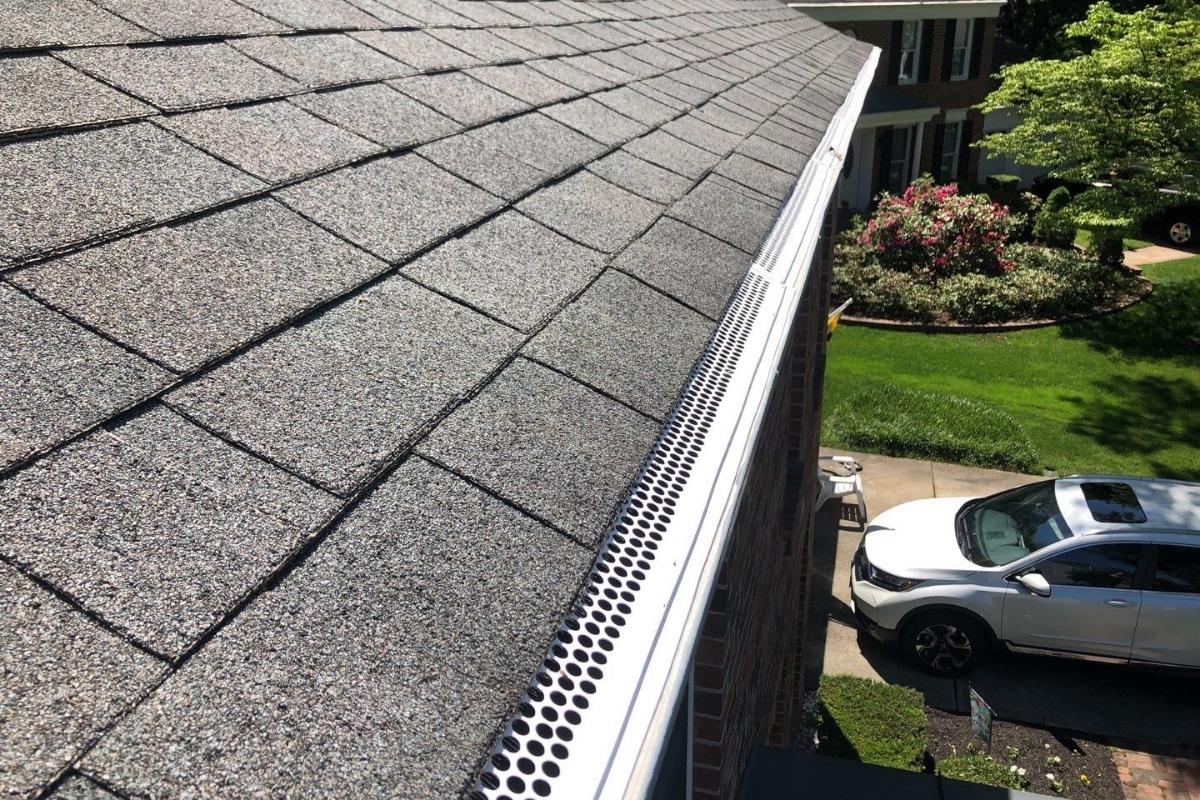
Gutter Maintenance: Keep gutters clear so that water does not back up under shingles.
-
Tree Pruning: Ensure branches are not rubbing against shingles; scuff marks can be mistaken for hail damage.
-
Professional Audits: Every 3–5 years, have a professional inspection to identify minor issues before they become liabilities.
Documentation and Reporting Standards
In the context of a hail damage roof insurance claim, the quality of documentation often dictates the success of the settlement.
-
The Claim File: Maintain a central folder containing the policy, storm date reports, and contractor estimates.
-
Photo Evidence: Photos should include a “wide shot” of the house, photos of the hail next to a ruler, and close-ups of the roof impacts.
-
Example 1: A homeowner saves a hailstone in their freezer to show the adjuster the actual size of the ice.
-
Example 2: An owner provides a “NEXRAD” radar report showing that 1.5-inch hail fell on their specific zip code at a specific time.
Closing Summary
A hail damage roof insurance claim is a technical and administrative process designed to protect the value of a property after a weather event. Success in this process depends on early detection, professional inspection, and the meticulous documentation of the damage. By understanding the categories of hail impact and the logistical requirements of insurance carriers, property owners can ensure their roofing systems are restored to full functionality.
FAQ
1. Will my insurance rates go up if I file a hail claim? In many states, insurance companies are prohibited from raising rates based on an “Act of God” claim like hail. However, regional rate increases may occur if a major storm affects an entire zip code.
2. How long do I have to file a claim after a hailstorm? Most policies require claims to be filed within one year of the event, though some offer up to two years. Check the “Duties in the Event of Loss” section of your specific policy.
3. What if the adjuster says there is no damage, but my contractor says there is? You have the right to request a re-inspection with a different adjuster or a supervisor. It is helpful to have your contractor present during the re-inspection to point out the specific damage they identified.