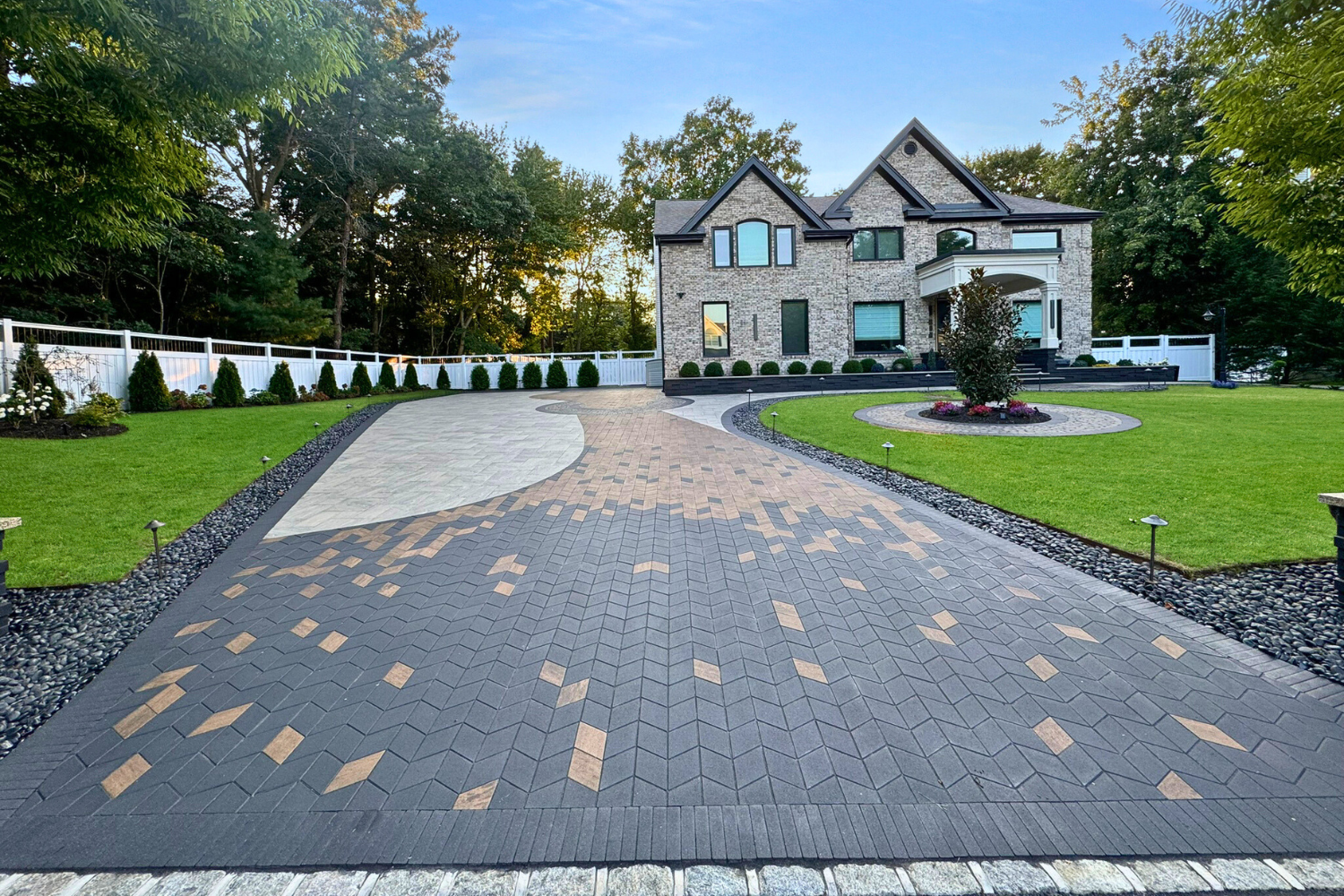
Modern Driveway Paving Stones: 2026 Professional Guide
The Comprehensive Guide to Modern Driveway Paving Stones
Driveway paving stones represent a significant structural and aesthetic advancement in residential infrastructure. Traditionally, driveways were constructed using monolithic materials such as poured concrete or asphalt; however, modern engineering has shifted toward segmental paving systems. These systems utilize individual units—composed of natural stone, clay, or high-strength concrete—to create a “flexible” pavement surface. This modularity allows the driveway to withstand heavy vehicular loads and shifting soil conditions without the cracking typically associated with rigid slabs.
This guide provides a neutral, technical examination of the materials, installation methods, and logistical considerations involved in selecting modern driveway paving stones. Readers will learn about the geological and synthetic properties of different pavers, the engineering of the sub-base, and the practical scenarios where specific stones are most effective. By understanding the interplay between load-bearing capacity and environmental resistance, property owners can make informed decisions regarding this long-term exterior asset.
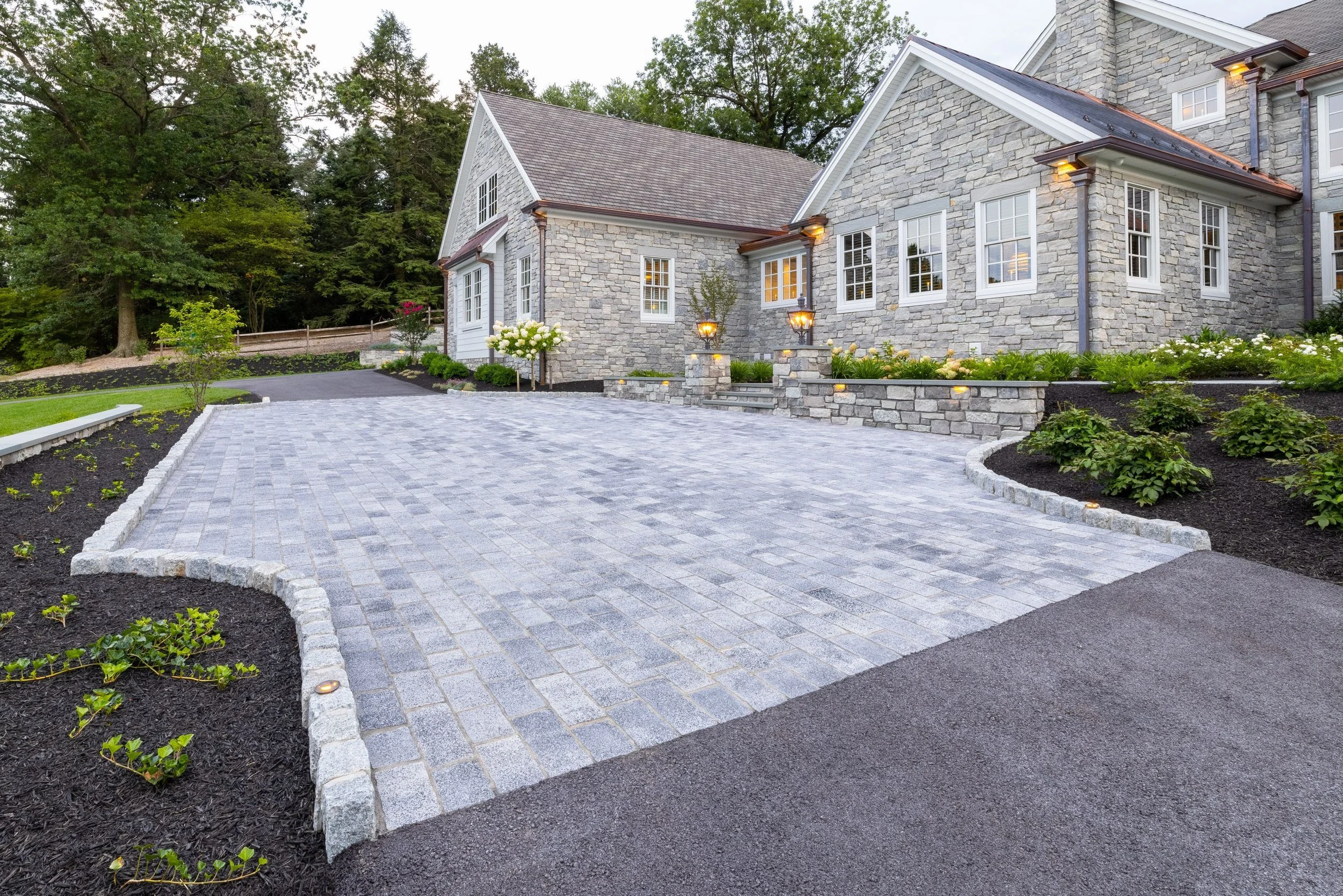
Overview of Modern Driveway Paving Stones
The core concept of a paver driveway is the distribution of weight. When a vehicle drives over modern driveway paving stones, the load is transferred through the stone into the bedding sand and finally into a compacted gravel base. Because the stones are separated by joints—often filled with specialized sand—they can move slightly independently. This prevents the surface from snapping under pressure or during freeze-thaw cycles. Property owners typically approach this project to improve curb appeal and increase the “permeability” of their lot to manage rainwater runoff.
Typical expectations for a high-quality paver driveway include a lifespan of 30 to 50 years, significantly longer than standard asphalt. The outcome of a successful installation is a surface that does not “puddle” after rain, does not develop “potholes,” and can be easily repaired by replacing individual units if they become stained or damaged. Success is defined by the invisible preparation of the sub-grade; a beautiful stone laid on a poor foundation will inevitably fail, making the structural engineering just as important as the stone selection.
Key Categories and Material Variations
Modern paving units are classified by their composition and their physical “interlock.” The choice of material dictates the driveway’s resistance to chemicals, salt, and heavy weight.
| Category / Type | Description | Common Use Case | Effort / Cost Level |
| Concrete Pavers | Molded cement and aggregate; high PSI strength. | Standard residential driveways. | Moderate / Medium |
| Permeable Pavers | Designed with wider joints to allow water infiltration. | Eco-friendly builds; flood zones. | Moderate / Medium-High |
| Natural Granite | Hand-cut or sawn volcanic rock; extremely hard. | Luxury estates; high-durability needs. | High / Very High |
| Basalt / Slate | Dense volcanic or metamorphic stone; dark colors. | Modern, minimalist architectural styles. | High / High |
| Porcelain (Driveway Grade) | Ultra-high-density ceramic; 20mm+ thickness. | Contemporary sleek designs; stain resistance. | Very High / Premium |
| Clay Brick | Kiln-fired earth; high color longevity. | Traditional or historical restorations. | Moderate / Medium |
Choosing between these categories depends on the “environmental load.” In regions where road salt is used heavily in winter, natural granite or high-density porcelain is often preferred as they are less porous than standard concrete and will not “spall” or flake due to chemical exposure.
Practical Scenarios and Applications
Scenario 1: The High-Traffic Urban Entryway
An urban residence with limited space and frequent “turning” movements from heavy vehicles (SUVs/Delivery trucks).
-
Components: Small-format concrete pavers with a “herringbone” pattern.
-
Steps: Deep excavation of 12 inches, heavy-duty geotextile fabric, and a 45-degree herringbone layout to prevent stone shifting.
-
Relevance: Small stones in a herringbone pattern provide the best mechanical interlock, preventing the “creeping” of stones caused by tires turning in place.
Scenario 2: The Sustainable Sloped Driveway
A property located on an incline where water runoff causes erosion or violates municipal drainage codes.
-
Components: Permeable modern driveway paving stones and a “no-fines” crushed stone base.
-
Steps: Installation of a deep reservoir of clean, crushed stone (no sand) to store water; stones are laid with wide, gravel-filled joints.
-
Relevance: This scenario turns the entire driveway into a drainage system, allowing water to soak directly into the ground rather than overwhelming city sewers.
Scenario 3: The Contemporary Luxury Estate
A minimalist home requiring a seamless look with large-format stones and high resistance to oil stains.
-
Components: Large-format (12×24) granite or driveway-grade porcelain.
-
Steps: Reinforced concrete sub-base (rigid set) and epoxy-based jointing compounds.
-
Relevance: Large stones require a more rigid foundation to prevent “teeter-tottering.” Porcelain is ideal here because it is non-porous and will not absorb oil from luxury vehicles.
Comparison: Scenario 1 focuses on mechanical strength; Scenario 2 focuses on civil engineering and ecology; Scenario 3 focuses on aesthetics and stain prevention. Urban dwellers suit Scenario 1, while environmentally conscious owners in rainy climates suit Scenario 2.
Planning, Cost, and Resource Considerations
Budgeting for a driveway must account for the high cost of material transportation and the manual labor of hand-setting thousands of units.
| Category | Estimated Amount / Effort | Explanation | Optimization Tips |
| Stone Material | $5 – $30 per sq. ft. | Concrete is lower; Natural/Porcelain is higher. | Sourcing “locally” saves thousands in shipping. |
| Excavation/Base | 40% of Total Budget | Removing soil and hauling in tons of gravel. | Don’t skimp on base depth (min. 8–10 inches). |
| Labor (Professional) | $10 – $20 per sq. ft. | Skilled layout, cutting, and compaction. | Complex patterns increase the labor hours. |
| Drainage/Edging | $500 – $2,000 | Concrete curbs or “invisible” plastic restraints. | Edge restraints are mandatory to keep stones tight. |
Note: Figures are examples for illustrative purposes. Costs in 2026 are heavily influenced by fuel surcharges and labor availability.
Technical Strategies and Support Options
Successful paving relies on specific technical strategies to ensure the “lock” of the system.
-
Polymeric Jointing Sand: A sand mixed with binders that hardens when wetted.
-
Advantages: Keeps weeds out; prevents washouts. Disadvantages: Must be applied to perfectly dry stones.
-
-
Geotextile Separation Fabric: A heavy-duty cloth placed between soil and gravel.
-
Advantages: Prevents the gravel base from “sinking” into the mud. Disadvantages: Minor additional material cost.
-
-
Diamond-Blade Wet Saws: High-speed saws used to make precise cuts.
-
Advantages: Professional, tight-fitting edges. Disadvantages: Requires significant water and cleanup.
-
-
Mechanical Vibratory Compactors: Heavy plates used to “set” the stones into the sand.
-
Advantages: Ensures the driveway is level and the sand is packed into the joints. Disadvantages: Can crack thin stones if used without a protective mat.
-
Safety, Risks, and Common Challenges
Driveway paving involves heavy machinery and materials that present unique challenges.
-
Improper Compaction: Failing to compact the base in “lifts” (layers). Result: The driveway will develop ruts or sinkholes where car tires sit.
-
Utility Punctures: Digging into gas or water lines. Prevention: Mandatory utility marking (“811”) before any excavation.
-
Edge Creep: Stones on the edge moving outward over time. Prevention: Install a heavy-duty edge restraint (concrete or spiked plastic) around the entire perimeter.
-
Silica Dust: Inhaling dust from stone cutting. Prevention: Use wet-saw techniques and P100 respirators.
Maintenance and Long-Term Management
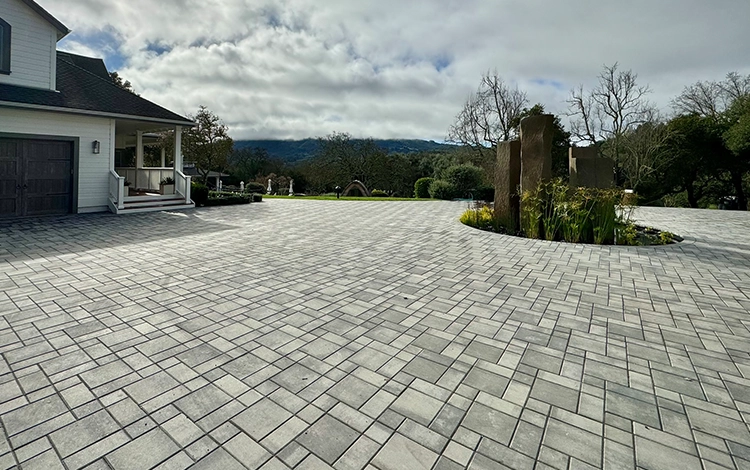
While pavers are durable, they require specific stewardship to maintain their original appearance.
-
Annual Power Wash: Use a low-to-medium pressure wash to remove dirt and algae.
-
Joint Refilling: Every 3–5 years, check the sand in the joints. If it has washed away, re-sweep with polymeric sand to maintain the structural lock.
-
Oil Stain Removal: For concrete pavers, use a specialized degreaser immediately; for porcelain, a simple wipe is usually sufficient.
-
Weed Control: While polymeric sand prevents most weeds, some may grow in surface dirt. Use a vinegar-based spray rather than pulling, which can disturb the sand.
Documentation and Reporting
Organizing the technical data of your driveway is essential for future repairs or home valuation.
-
Base Depth Photos: Take photos of the excavation with a tape measure showing the depth of the gravel.
-
Material Batch Numbers: Save the tags from the stone pallets to ensure a color match if the driveway is ever expanded.
-
Sub-Base Reports: Documentation of the soil type and compaction levels.
Example 1: A homeowner saves a 2026 “compaction report” to prove to a home buyer that the driveway was built to support heavy commercial vehicles.
Example 2: An owner keeps a record of the “Permeability Rating” to secure a storm-water tax credit from the city.
Closing Summary
The implementation of modern driveway paving stones represents an investment in durability and architectural value. By prioritizing the structural integrity of the sub-base and selecting materials suited to the local climate, property owners can create a functional surface that avoids the common failures of monolithic concrete. Whether choosing the ecological benefits of permeable systems or the high-end finish of natural granite, the success of a paver driveway depends on the precision of the installation and the quality of the materials used.
FAQ
1. How long do driveway pavers last? With a proper compacted base, a paver driveway can last 30 to 50 years. Individual stones can be replaced if they become stained, unlike concrete which requires a full tear-out.
2. Can I plow snow on a paver driveway? Yes. However, it is recommended to use a plow with a rubber edge or to set the blade slightly higher to avoid scratching the surface of the stones.
3. Do driveway pavers get weeds? Weeds do not grow from “under” the pavers if a geotextile fabric and polymeric sand are used. Any weeds found are usually growing in surface dust and can be easily removed.