Composite Decking vs Natural Wood Cost: 2026 Comparison Guide
Comprehensive Guide: Composite Decking vs. Natural Wood Cost
Decking represents a major structural and aesthetic addition to a property, serving as an extension of the living space into the outdoors. When selecting a material, property owners are primarily faced with the choice between natural timber and engineered composite boards. This decision is rarely based on aesthetics alone; it involves a complex analysis of material science, environmental resistance, and long-term financial commitments. Understanding the physics of how these materials age—wood through organic decay and composites through UV exposure—is essential for any structural planning.
This guide provides a neutral, technical examination of the financial and practical differences between these two systems. It explores the initial capital expenditure versus the lifecycle costs, the maintenance requirements of each, and the environmental factors that dictate material performance. By evaluating composite decking vs natural wood cost through an objective lens, readers will be equipped with the foundational knowledge necessary to select a decking solution that aligns with their specific climate and budget.
Overview of Composite Decking vs Natural Wood Cost
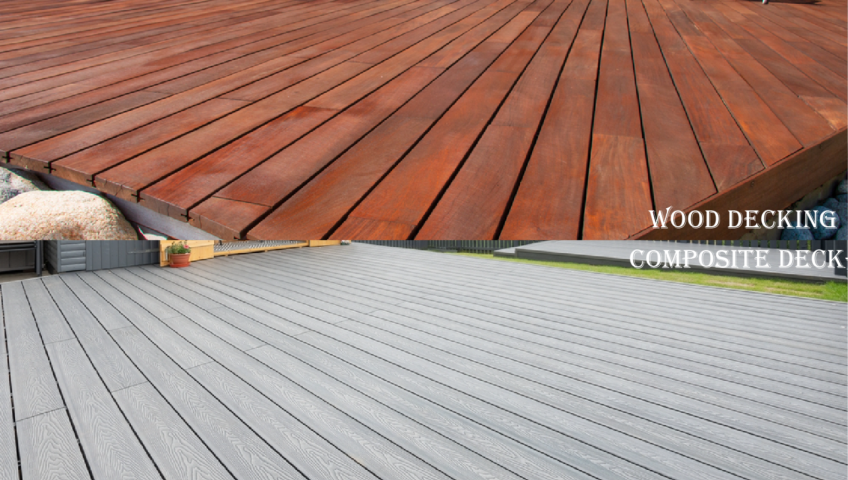
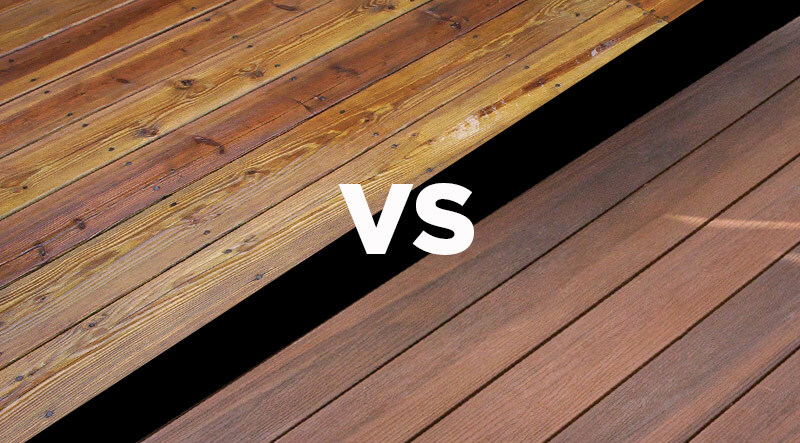
The core concept of a decking comparison involves weighing “upfront costs” against “total cost of ownership.” Natural wood decking consists of harvested timber—ranging from softwoods like pressure-treated pine to hardwoods like Ipe. Composite decking is an engineered product typically composed of wood fibers encapsulated in plastic (polyethylene or PVC). Property owners typically approach this decision by considering how much time and money they are willing to invest in the deck after the initial installation is complete.
The typical goal of a decking project is to create a durable, safe, and visually appealing surface. When analyzing composite decking vs natural wood cost, expectations must be set regarding the “break-even” point. While natural wood is generally less expensive to purchase and install, it requires recurring costs for staining, sealing, and board replacement. Composite decking carries a significantly higher initial price tag but aims to offset this through minimal maintenance requirements over a 25-to-30-year lifespan. Success in a decking project is defined by selecting a material that can withstand the local climate without exceeding the owner’s capacity for ongoing care.
Key Material Categories and Variations
The performance of a deck is dictated by the specific grade of wood or the generation of the composite technology used.
| Category / Type | Description | Common Use Case | Effort / Cost Level |
| Pressure-Treated (PT) | Softwood infused with chemical preservatives. | Budget-friendly builds; substructures. | Low / Low |
| Cedar / Redwood | Naturally rot-resistant softwoods with high tannin content. | Traditional aesthetics; mid-range builds. | Moderate / Medium |
| Ipe / Tropical Hardwood | Extremely dense, heavy timber with 40+ year life. | Luxury estates; high-traffic areas. | Very High / High |
| Early Gen Composite | Uncapped wood-plastic mix; prone to staining/fading. | Budget-conscious synthetic builds. | Moderate / Medium |
| Capped Composite | Core material wrapped in a protective polymer shell. | Standard modern residential decks. | High / High |
| Mineral-Based (PVC) | Entirely synthetic; no wood fibers; zero organic decay. | Poolside or high-moisture environments. | High / Very High |
Choosing between these categories depends on the “exposure profile” of the site. For example, capped composites are designed to resist UV fading and mold, making them suitable for sun-drenched areas. Conversely, natural hardwoods like Ipe are fire-resistant and physically harder than most composites, but they require specialized tools and higher labor costs for pre-drilling and fastening.
Practical Scenarios and Applications
Scenario 1: The High-Moisture Poolside Retreat
A deck located near a swimming pool or in a region with high humidity and frequent rainfall.
-
Components: PVC (mineral-based) composite or Ipe hardwood, stainless steel fasteners.
-
Steps: Ensure a minimum 2% slope for water runoff, use joist tape to protect the frame, and install slip-resistant boards.
-
Relevance: In this scenario, wood-plastic composites or softwoods may suffer from mold or rot. A 100% synthetic or a dense hardwood is required for longevity.
Scenario 2: The Semi-Permanent Rental Property
An owner-occupied home that will be converted into a rental property within five years.
-
Components: Pressure-treated pine or mid-range capped composite.
-
Steps: Apply a high-quality UV-rated stain (if wood) or choose a color-fast composite.
-
Relevance: The owner must decide if they want to perform annual maintenance themselves (wood) or pay more upfront to ensure the tenants do not have to maintain the deck (composite).
Scenario 3: The Full-Sun Rooftop Terrace
An urban rooftop deck exposed to 12+ hours of direct sunlight and high wind.
-
Components: High-SRI (Solar Reflectance Index) composite or light-colored hardwoods.
-
Steps: Install a pedestal system for drainage, select boards with high thermal stability to prevent expansion/contraction.
-
Relevance: Heat retention is the primary challenge; some composites can become uncomfortably hot to the touch, necessitating the selection of specifically engineered “cool” boards.
Comparison: Scenario 1 emphasizes moisture resistance, Scenario 2 focuses on labor-saving ROI, and Scenario 3 addresses thermal management. Homeowners in temperate, dry climates may find natural wood more cost-effective, while those in coastal or extreme sun environments generally benefit from high-tier composites.
Planning, Cost, and Resource Considerations
Budgeting for a deck requires a detailed split between material procurement and specialized labor. A “total cost” analysis should include at least ten years of projected maintenance.
| Category | Estimated Amount / Effort | Explanation | Optimization Tips |
| Materials (Initial) | $5 – $15 (Wood) / $15 – $35 (Comp) | Cost per square foot for the decking boards. | Buy “shorts” or standard lengths to reduce waste. |
| Substructure (Frame) | 25% of Total Budget | Pressure-treated joists, beams, and concrete footings. | Use joist-flashing tape to double the frame’s life. |
| Maintenance (10yr) | $2,000 – $5,000 (Wood) / $500 (Comp) | Cleaning, staining, and sanding costs. | DIY cleaning can reduce this, but labor is intense. |
| Specialized Labor | High Effort | Hidden fastener systems and custom cuts. | Composite requires more support (12″ or 16″ on center). |
Note: Figures are examples for illustrative purposes; 2026 data shows that composite decking vs natural wood cost usually reaches a “break-even” point at roughly year 7 to 10.
Strategies, Tools, and Support Options
Successful decking outcomes rely on utilizing the correct installation technology for the chosen material.
-
Hidden Fastener Systems: Clips that fit into grooves on the side of the boards.
-
Advantages: Provides a smooth, screw-free surface. Disadvantages: Increases material cost and labor time.
-
-
Joist Flashing Tape: A waterproof membrane applied to the top of the wooden frame.
-
Advantages: Prevents the joists from rotting under the boards. Disadvantages: Adds a minor material cost.
-
-
Plug Systems: Color-matched wood or composite plugs that hide surface screws.
-
Advantages: Best for stairs and perimeter boards. Disadvantages: Requires precise drilling.
-
-
Heat Bending Tools: Specialized heaters used to curve composite boards for custom designs.
-
Advantages: Allows for unique architectural shapes. Disadvantages: High specialized labor cost.
-
Safety, Risks, and Common Challenges
Both wood and composite systems have physical limits that, if exceeded, can lead to structural failure.
-
Thermal Expansion: Composite boards expand and contract significantly more than wood. Prevention: Follow manufacturer “gap charts” to ensure boards don’t buckle in the heat.
-
Structural Sagging: Composites are not as stiff as wood. Prevention: Ensure joists are spaced no more than 16 inches apart (often 12 inches for diagonal patterns).
-
Tannin Bleeding: New wood decks (especially cedar) can leak natural oils. Prevention: Allow wood to “season” for several weeks before applying the first coat of stain.
-
Slippery Surfaces: Wet composite or algae-covered wood can be hazardous. Prevention: Choose boards with a high “Coefficient of Friction” rating.
Maintenance and Long-Term Management
A long-term management plan is the only way to protect the initial investment in a deck.
-
Annual Cleaning: For both materials, use a deck-specific soap to remove organic matter, pollen, and dirt.
-
Inspection for Rot: For wood decks, use the “screwdriver test”—press into the wood; if it is soft, rot has begun.
-
Fastener Check: Check for “popped” nails or loose clips after a freeze-thaw cycle.
-
Staining/Sealing (Wood Only): Perform a “water drop test”—if water doesn’t bead on the surface, it is time to reseal (usually every 1–3 years).
-
Ventilation Check: Ensure the area under the deck is clear of debris to allow for airflow, which prevents mold on the underside of the boards.
Documentation and Reporting
Detailed record-keeping is vital for warranty claims and future property appraisals.
-
Material SKU/Batch Numbers: Essential for matching boards if a repair is needed years later.
-
Warranty Certificate: Many composite manufacturers offer 25-to-50-year “Fade and Stain” warranties.
-
Maintenance Log: Record dates of every cleaning and staining.
Example 1: A homeowner saves the specific stain color and brand used on their cedar deck to ensure a match during a five-year touch-up.
Example 2: An owner maintains a receipt for the “Joist Tape” to prove to a home inspector that the hidden substructure has been protected from moisture.
Closing Summary
The comparison of composite decking vs natural wood cost involves a trade-off between immediate savings and long-term convenience. Natural wood offers a traditional feel and lower entry price but demands a consistent commitment to physical labor and chemical treatments. Composite decking functions as a high-performance engineered system that justifies its premium upfront cost through durability and minimal maintenance. Ultimately, the choice depends on the property owner’s residency timeline and their willingness to engage in the ongoing stewardship of the structure.
FAQ
1. Does composite decking ever need to be replaced? While highly durable, composites can still be damaged by extreme heat or physical impact. Most are rated for 25–50 years, after which the polymer shell may eventually degrade.
2. Can I stain composite decking if I want to change the color? Generally, no. Most modern “capped” composites are designed to be stain-resistant, meaning paint or stain will not adhere properly to the surface.
3. Is composite decking more slippery than wood? Older generations of composite were often slippery, but modern boards feature embossed wood-grain textures that provide traction comparable to, or better than, natural wood.