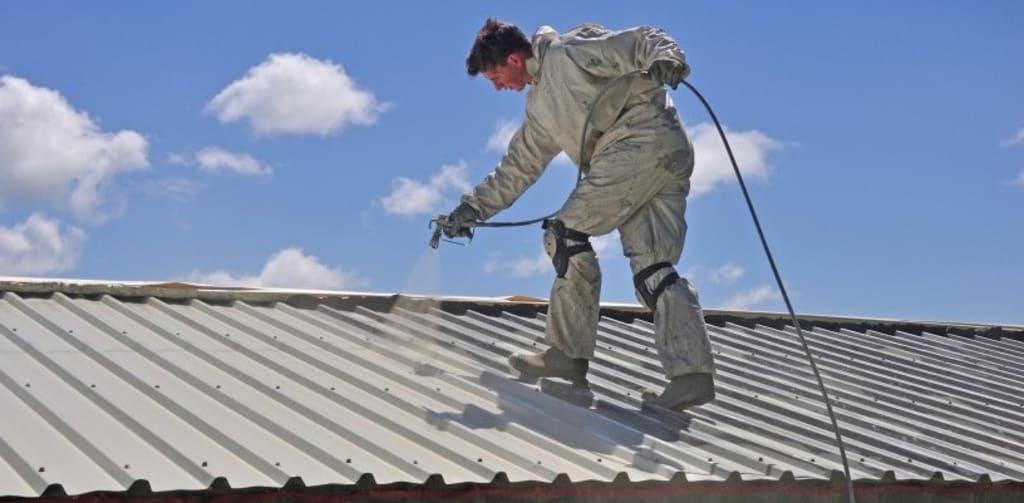
Cool Roof Coating for Hot Climates: 2026 Technical Guide
The Comprehensive Guide to Cool Roof Coatings for Hot Climates
Cool roof coatings are specialized liquid-applied membranes designed to reflect a high percentage of solar radiation and release absorbed heat. In regions with high ambient temperatures, a standard dark roof can reach temperatures exceeding 150°F, acting as a massive radiator that transfers heat into the building’s interior. By applying a reflective coating, the roof surface remains significantly cooler—often closer to the ambient air temperature—which reduces the thermal load on the structure and lowers energy consumption required for air conditioning.
This guide provides a neutral, technical examination of the materials and methods used to implement cool roof coating for hot climates. It explores the scientific principles of solar reflectance and thermal emittance, compares different coating chemistries, and outlines the practical steps for application and maintenance. Readers will learn how to evaluate the suitability of their existing roof for a coating and how to plan for a project that enhances both building efficiency and the lifespan of the roofing substrate.

Overview of Cool Roof Coating for Hot Climates
The fundamental objective of a cool roof coating for hot climates is to manage the Solar Reflectance Index (SRI). SRI is a composite value that accounts for solar reflectance (the ability to bounce sunlight away) and thermal emittance (the ability to radiate heat that has been absorbed). Property owners typically approach coating as a restorative measure for flat or low-slope roofs, such as those made of metal, modified bitumen, or single-ply membranes. The goal is to extend the life of the existing roof by protecting it from UV degradation while simultaneously lowering indoor temperatures.
Expectations for a coated roof should be grounded in the “cool roof” effect. By keeping the roof surface cool, the coating prevents thermal shock—the rapid expansion and contraction of roofing materials during temperature swings—which is a primary cause of seam failure and leaks. Successful outcomes result in a building that is easier to cool and a roofing system that requires fewer repairs over a 10-to-15-year period. It is important to note that coatings are not a replacement for a structurally failed roof; they are a preventative and restorative treatment for roofs that are still in sound condition.
Major Categories of Cool Roof Coatings
The chemistry of the coating dictates its durability, water resistance, and cost. Selecting the correct type depends on the roof’s slope and the likelihood of “ponding” (standing) water.
| Category / Type | Description | Common Use Case | Effort / Cost Level |
| Acrylic | Water-based coating; highly reflective and cost-effective. | Sloped roofs with good drainage. | Moderate / Low |
| Silicone | Solvent-free; superior resistance to ponding water and UV. | Flat roofs with occasional standing water. | High / High |
| Urethane | High impact resistance and durability; moisture-cured. | Roofs with high foot traffic or hail risk. | High / Medium-High |
| Aluminum | Solvent-based with aluminum flakes for UV reflection. | Asphalt or bitumen restoration. | Moderate / Medium |
| SEBS | Solvent-based thermoplastic; high elongation properties. | Metal roofs with significant expansion/contraction. | High / High |
When choosing between these types, property owners must consider the roof’s pitch. Acrylics are popular for their ease of application and environmental safety but may re-emulsify (liquefy) if submerged in standing water for long periods. Silicone is widely considered the premium choice for flat roofs in hot climates because it maintains its reflective properties and structural integrity even under ponding water.
Practical Scenarios and Applications
Scenario 1: Retail Center with Aging Metal Roof
A commercial building in an arid climate has a metal roof that is structurally sound but suffers from high thermal gain and minor rust.
-
Components: Rust-inhibitive primer, seam tape, and white silicone coating.
-
Steps: Pressure wash the surface, treat rust spots with primer, seal seams and fasteners with mastic or tape, and apply two coats of silicone.
-
Relevance: This scenario demonstrates how a coating can stop oxidation and significantly reduce the “oven effect” common in metal buildings.
Scenario 2: Multi-Family Flat Roof Restoration
An apartment complex has a modified bitumen roof that is approaching 15 years of age and showing signs of “alligatoring” (cracking).
-
Components: Asphalt primer and high-solids acrylic coating.
-
Steps: Clear debris, repair any blisters or delaminated seams, apply a bleed-blocking primer, and spray-apply the acrylic coating.
-
Relevance: Applying a cool roof coating for hot climates here prevents the dark asphalt from absorbing heat and stops UV rays from further drying out the bitumen.
Scenario 3: Industrial Facility with High AC Costs
A manufacturing plant seeks to reduce its massive electrical load during summer peak hours.
-
Components: High-SRI urethane coating and fabric reinforcement for penetrations.
-
Steps: Perform an infrared moisture scan, seal all HVAC curbs and vents with reinforced fabric, and apply the durable urethane coating.
-
Relevance: This application focuses on the economic return on investment (ROI) through energy savings and the protection of rooftop mechanical equipment.
Comparison: Scenario 1 focuses on corrosion control, Scenario 2 on life-extension of asphalt, and Scenario 3 on thermal performance and energy ROI. Owners of metal buildings should prioritize Scenario 1, while those with flat bituminous roofs should focus on Scenario 2.
Planning, Cost, and Resource Considerations
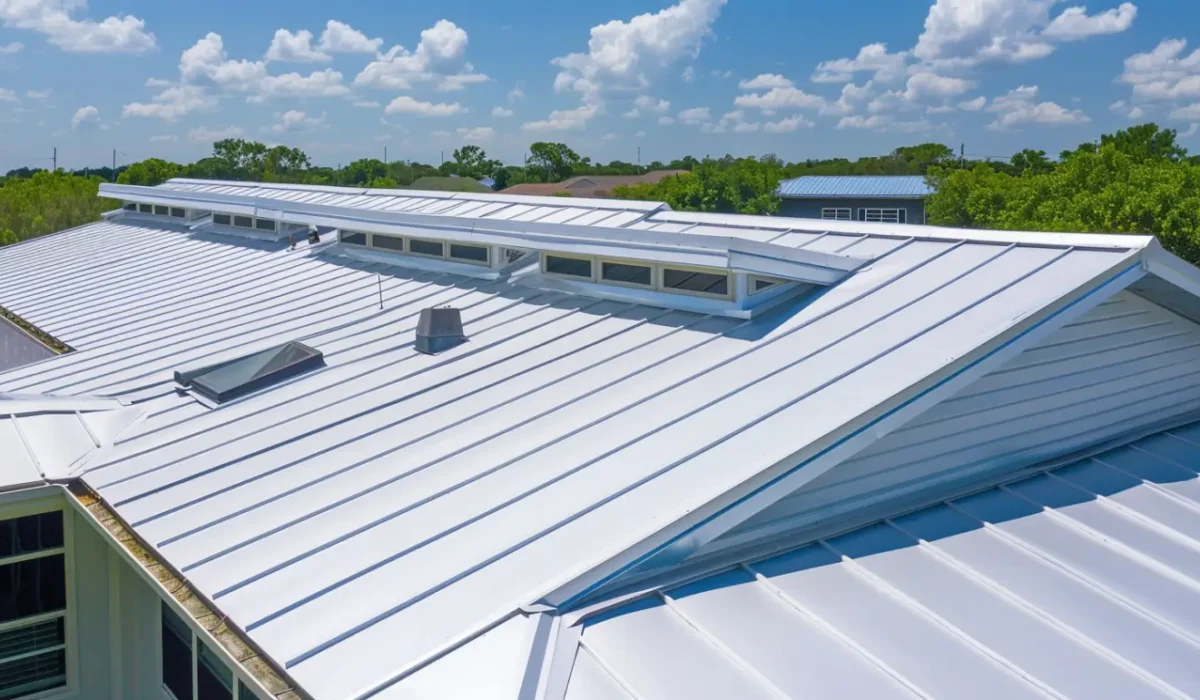
Budgeting for a cool roof project involves more than the cost of the liquid material; it must include thorough surface preparation and repairs.
| Category | Estimated Amount / Effort | Explanation | Optimization Tips |
| Surface Prep | 30% of Total Effort | Pressure washing and clearing dirt/algae. | A coating is only as good as its bond to the roof. |
| Material Cost | $0.50 – $3.50 /sq. ft. | Varies by chemistry (Acrylic vs. Silicone). | Check for local utility rebates for high-SRI coatings. |
| Labor | $1.00 – $2.50 /sq. ft. | Professional spray or roller application. | Professional sprayers ensure uniform thickness (mils). |
| Seam/Flash Repair | Moderate | Addressing leaks before the coating is applied. | A coating is a water-shifter, not a leak-fixer. |
Note: Figures are examples for illustrative purposes and vary by building height and regional labor markets.
Strategies, Tools, and Support Options
Successful coating projects utilize specific strategies to ensure long-term adhesion and reflectance.
-
Infrared Moisture Scans: A tool used to identify wet insulation under the roof surface.
-
Advantages: Prevents trapping moisture under the new coating. Disadvantages: Adds upfront diagnostic cost.
-
-
Adhesion Tests: Applying a small sample of the coating to check for “pull-off” strength.
-
Advantages: Confirms the coating won’t peel. Disadvantages: Requires a 24-48 hour waiting period.
-
-
Fabric Reinforcement: Using polyester mesh in “wet-on-wet” applications at seams.
-
Advantages: Provides structural strength at high-stress points. Disadvantages: Increases labor time.
-
-
Fabric-Backed Tape: Specialized tapes used for quick flashings around pipes.
-
Advantages: Faster than liquid flashing. Disadvantages: Can be more expensive than bulk liquid.
-
Safety, Risks, and Common Challenges
Applying a roof coating involves specific safety and technical risks.
-
Slippery Surfaces: White coatings are exceptionally slick when wet or during application. Prevention: Use safety harnesses and designated walkway paths with non-slip granules.
-
Trapped Moisture: Coating over wet insulation leads to blisters. Prevention: Always perform a moisture audit and replace saturated sections before coating.
-
Incompatible Materials: Applying silicone over certain old acrylics without a primer. Prevention: Consult the manufacturer’s compatibility chart and perform a test patch.
-
Overspray: Wind carrying spray-applied coating onto parked cars or neighboring buildings. Prevention: Use rollers in windy conditions or utilize “overspray” screens and wind-monitoring tools.
Maintenance and Long-Term Management
To maintain the high reflectivity required for a “cool roof,” the surface must be kept clean.
-
Semi-Annual Cleaning: Dirt and soot buildup can reduce solar reflectance by up to 30%. Low-pressure wash the roof every six months.
-
Drain Inspections: Ensure scuppers and drains are clear; standing water can eventually wear down even silicone coatings.
-
Visual Inspections: Check for punctures from fallen debris or tool drops from HVAC technicians.
-
Recoating: Most systems are designed to be “renewable.” A thin top-coat applied every 10 years can maintain the system’s performance indefinitely.
Documentation and Reporting
Detailed record-keeping is essential for warranties and energy audits.
-
Dry Film Thickness (DFT) Reports: A log showing that the coating was applied at the manufacturer’s required thickness (measured in “mils”).
-
SRI Data Sheets: Documentation of the coating’s initial and aged solar reflectance.
-
Example 1: A building owner saves the “before and after” temperature readings of the roof surface to prove energy savings to stakeholders.
-
Example 2: An industrial manager keeps a log of all foot traffic on the roof to ensure the “walkway” requirements of the warranty are met.
Closing Summary
Implementing a cool roof coating for hot climates is a highly effective strategy for reducing building temperatures, extending the lifespan of roofing substrates, and lowering operational costs. By selecting the appropriate chemistry—such as silicone for flat roofs or acrylic for sloped metal—and ensuring meticulous surface preparation, property owners can transform a thermal liability into an energy-saving asset. Successful long-term performance relies on regular cleaning and a proactive approach to maintenance.
FAQ
1. How much can a cool roof coating reduce interior temperatures? While results vary by insulation levels, a cool roof can reduce the roof’s surface temperature by up to 50°F, which can lead to interior temperature drops of 10°F to 15°F in buildings without air conditioning.
2. Can I apply a cool roof coating over shingles? This is generally not recommended. Shingles need to breathe and expand individually; a liquid coating can trap moisture and cause the wood deck to rot or the shingles to buckle.
3. Does a white roof get dirty easily? Yes. In areas with high pollution or dust, the reflectivity will decrease over time. Regular low-pressure washing is required to maintain the energy-saving benefits of the coating.