Lifetime Warranty Roofing Companies: 2026 Professional Guide
The Comprehensive Guide to Lifetime Warranty Roofing Companies
A roof is one of the most significant investments a property owner will make, both in terms of financial cost and structural importance. To mitigate the risk of premature failure, many homeowners seek out “lifetime warranty roofing companies.” In the roofing industry, a lifetime warranty is a specialized guarantee that typically covers manufacturing defects for as long as the original homeowner owns the property. However, the term “lifetime” can be a source of confusion, as it rarely implies the roof will last forever or that all potential issues are covered indefinitely.
This guide provides a neutral, technical examination of the warranty landscape in 2026. Readers will learn the differences between manufacturer and workmanship warranties, the specific conditions that define “lifetime” coverage, and the logistical steps required to maintain these protections. By understanding the fine print of these agreements, property owners can distinguish between marketing jargon and meaningful structural protection.
Overview of Lifetime Warranty Roofing Companies
The core concept of a lifetime warranty in the roofing sector is to provide a long-term safety net against material failure. Property owners typically approach these companies with the goal of “total peace of mind,” expecting that once the roof is installed, they will never have to pay for another shingle. However, in practice, a lifetime warranty is usually a limited contract. It primarily covers defects in the shingles—such as premature granule loss, curling, or cracking—that occurred during the manufacturing process.
Companies that offer these warranties generally fall into two groups: manufacturers (who provide the materials) and contractors (who provide the labor). A “Lifetime Warranty Roofing Company” is often a contractor that has earned a high-tier certification from a manufacturer, allowing them to offer enhanced, manufacturer-backed warranties that combine both material and labor protection. The typical outcome of such an agreement is a roof that is protected for 40 to 50 years, provided the homeowner adheres to strict maintenance and installation standards.
Key Categories of Roofing Warranties
Navigating the various types of coverage is essential for understanding what a “lifetime” really covers. Most comprehensive protection plans are built from a combination of the following:
| Category / Type | Description | Common Use Case | Effort / Cost Level |
| Manufacturer (Material) | Covers defects in the shingles themselves (cracking, warping). | Standard on almost all premium shingles. | Low / Low |
| Workmanship (Labor) | Covers errors made by the crew during installation. | Offered by the contractor (usually 2–25 years). | Moderate / Medium |
| Full System Warranty | A manufacturer-backed plan covering all components (underlayment, vents, etc.). | Homeowners seeking the highest level of protection. | High / High |
| Non-Prorated | Provides 100% replacement value for a set period (often 10–50 years). | Long-term homeowners who want to avoid depreciation. | High / Medium-High |
| Prorated | Coverage value decreases as the roof ages. | Budget-conscious or short-term property owners. | Low / Low |
To qualify for the most robust “lifetime” categories, homeowners often must use a manufacturer’s complete line of products—including their specific brand of leak barriers, starter strips, and ridge vents—installed by a factory-certified professional.
Practical Scenarios and Applications
Scenario 1: The Long-Term “Forever Home”
A family plans to live in their home for the next 30 years and chooses a high-tier, non-prorated lifetime system warranty.
-
Components: Premium architectural shingles, synthetic underlayment, and a 25-year workmanship guarantee.
-
Steps: Selection of a “Master Elite” or “Platinum” certified contractor, registration of the warranty with the manufacturer, and annual professional inspections.
-
Relevance: This scenario maximizes the value of the “lifetime” term by ensuring the manufacturer—not just the local roofer—is responsible for labor costs if the roof fails in year 25.
Scenario 2: The “Selling Soon” Strategy
A homeowner replaces a roof specifically to increase resale value but plans to move within 5 years.
-
Components: Standard shingles with a “transferable” lifetime warranty.
-
Steps: Verification of the “one-time transfer” clause and documentation of the installation for the new buyer.
-
Relevance: In this case, the “lifetime” aspect is a marketing asset. The homeowner must ensure the warranty can be legally transferred to the next owner, often for a small fee, to provide value during the sale.
Scenario 3: The High-Intensity Weather Zone
A property in a region prone to high winds or heavy snow requires specialized “system” protection.
-
Components: High-wind rated shingles (up to 130 mph) and ice-and-water shields.
-
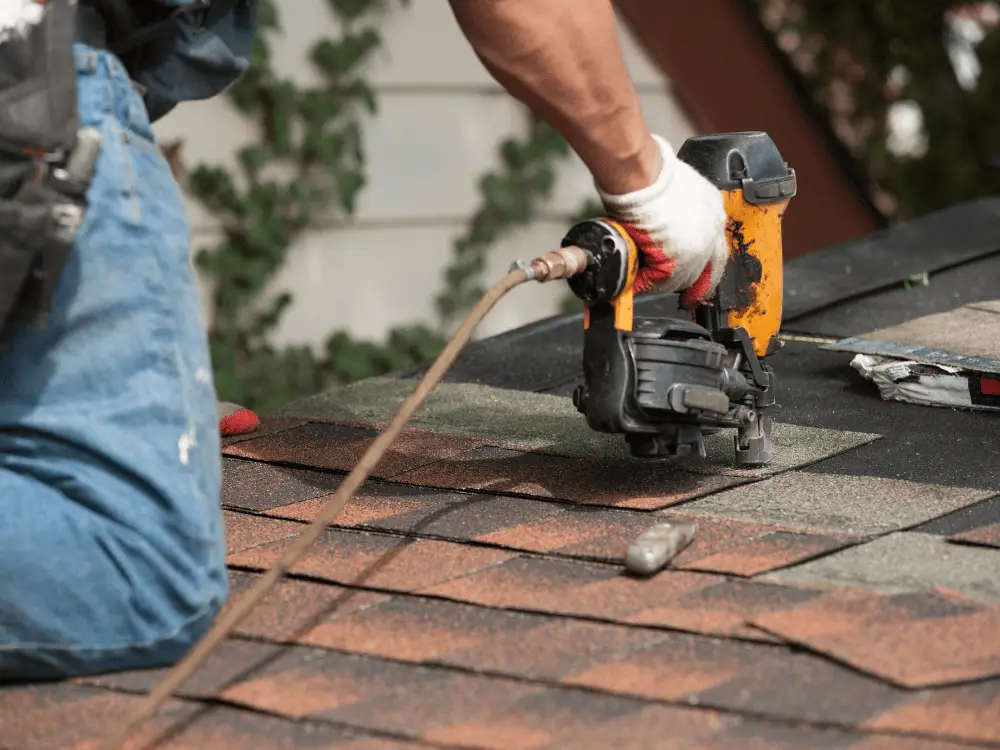
Steps: Adherence to specific nailing patterns required by the warranty and installation of enhanced ventilation to prevent “cooking” the shingles from below.
-
Relevance: Standard warranties often exclude “Acts of God.” By using a specialized system warranty, the owner ensures that if the shingles fail under conditions they were rated for, they remain covered.
Comparison: Scenario 1 focuses on maximum duration; Scenario 2 focuses on transferability; Scenario 3 focuses on environmental resilience. Readers should align their choice with their expected “holding period” for the property.
Planning, Cost, and Resource Considerations
Preparation is vital because a lifetime warranty is only as good as the installation that precedes it. If a roof is installed incorrectly, the manufacturer may void the lifetime material warranty entirely.
| Category | Estimated Amount / Effort | Explanation | Optimization Tips |
| Warranty Upgrade | $200 – $800 | The fee for “extended” or “enhanced” manufacturer plans. | This is often the best ROI for long-term owners. |
| Certified Labor | 10% – 20% Premium | Certified contractors often charge more than “general” roofers. | Check the manufacturer’s website to verify the contractor’s status. |
| Full System Components | Moderate Effort | Using all branded accessories (vents, drip edge, etc.). | Don’t “mix and match” brands, or you may lose system coverage. |
| Registration | Low Effort | Submitting proof of installation to the manufacturer. | Ensure this is done within 30–60 days of installation. |
Note: Figures are examples for illustrative purposes; 2026 labor rates vary significantly by region and roof pitch.
Strategies and Support Options
Several common strategies help property owners navigate the complexities of long-term warranties.
-
Manufacturer-Backed Workmanship: Some top-tier warranties (like GAF’s Golden Pledge) actually have the manufacturer guarantee the contractor’s labor.
-
Advantages: If the contractor goes out of business, the manufacturer still pays for labor. Disadvantages: Highest upfront cost.
-
-
Third-Party Warranty Insurance: Some contractors purchase “warranty insurance” to back their workmanship claims.
-
Advantages: Provides a layer of protection if the roofing company closes. Disadvantages: Claims processes can be slow.
-
-
Warranty Registration Services: Many certified contractors handle the manufacturer registration on behalf of the client.
-
Advantages: Prevents the “missed deadline” risk. Disadvantages: Homeowners must still verify that the certificate was issued.
-
Safety, Risks, and Common Challenges
The most significant risk in a “lifetime” agreement is the “voidance clause.” Manufacturers have very specific rules that, if broken, can cancel your coverage instantly.
-
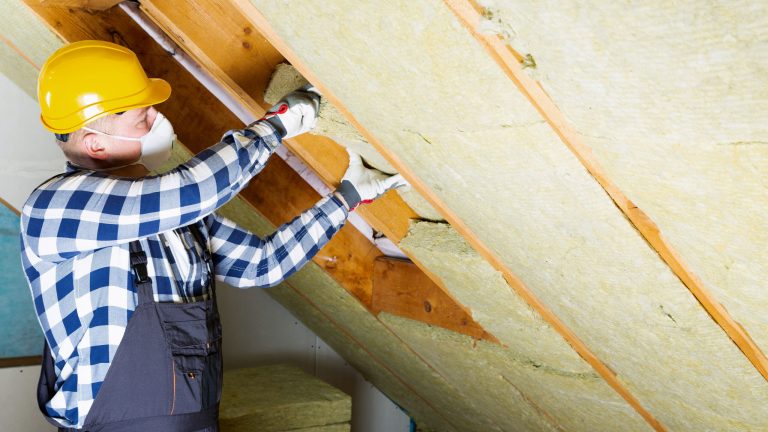
Improper Ventilation: Most manufacturers will void a warranty if the attic is not balanced with intake and exhaust vents. Prevention: Require a ventilation audit as part of your estimate.
-
Roofing Over (Overlay): Installing new shingles over old ones is a common way to save money, but it almost always voids lifetime warranties. Prevention: Insist on a full “tear-off” to the structural deck.
-
Third-Party Modifications: Adding a satellite dish, solar panels, or a new skylight without using the original contractor. Prevention: Always coordinate modifications through the warranty-holding company.
-
Contractor Insolvency: A lifetime workmanship warranty is worthless if the roofer goes out of business. Prevention: Prioritize companies with at least 10 years of local history and manufacturer certifications.
Maintenance and Long-Term Management
Ongoing management is a standard requirement of every lifetime warranty. You cannot ignore your roof for 20 years and expect a claim to be honored.
-
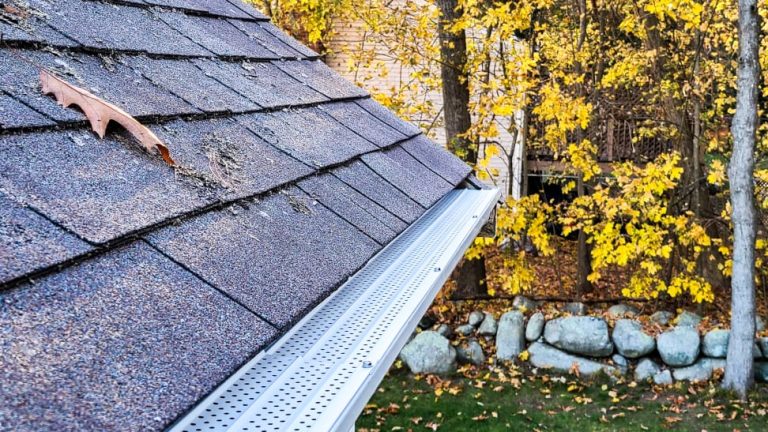
Annual Gutter Cleaning: Prevents water from backing up under the eaves and rotting the deck.
-
Bi-Annual Professional Inspection: Many “Master” level warranties require a documented inspection every 2–5 years.
-
Immediate Leak Response: If a leak occurs, you must mitigate the damage immediately (e.g., tarping) to prevent “consequential damage” which is never covered.
-
Debris Removal: Keep the roof surface clear of leaves, branches, and moss, as organic growth can trap moisture and degrade the granules.
Documentation and Reporting
In the event of a claim, the burden of proof is on the homeowner. Comprehensive record-keeping is the only way to ensure a successful outcome.
-
The Warranty Certificate: The official document from the manufacturer, not just the contractor’s invoice.
-
The “As-Built” Photo File: Photos of the bare wood deck, the underlayment, and the finished flashing.
-
Example 1: A homeowner provides a 2026 thermal drone scan showing dry insulation to prove that a later leak was due to a material defect, not “wear and tear.”
-
Example 2: An owner saves the receipt from a 2028 gutter cleaning service to prove they have met the “reasonable maintenance” requirement of their contract.
Closing Summary
Lifetime warranty roofing companies offer a sophisticated structural insurance policy that, when executed correctly, can protect a home for decades. However, the value of these warranties depends entirely on professional installation, the use of a complete branded “system,” and the homeowner’s commitment to regular maintenance. By distinguishing between simple “shingle-only” coverage and comprehensive, non-prorated system warranties, property owners can make a strategic investment that preserves both their home and their financial security.
FAQ
1. Does “Lifetime” actually mean forever? No. In the roofing industry, “lifetime” typically refers to the period during which the original homeowner owns the property, often capped at 50 years for material defects.
2. What happens to the warranty if I sell my house? Most lifetime warranties are “Limited Transferable.” Usually, they can be transferred once to a new owner, but the coverage often converts from “lifetime” to a 40-year or 20-year period upon transfer.
3. Why was my warranty claim denied? The most common reasons for denial are improper attic ventilation, “nailing over” old shingles, or failing to register the warranty within the required 60-day window.