Stucco Repair and Painting Cost: 2026 Professional Planning Guide
The Comprehensive Guide to Stucco Repair and Painting
Stucco is a durable, cement-based exterior finish that has been utilized in residential and commercial architecture for centuries. Composed of a mixture of Portland cement, lime, sand, and water, it provides a rigid, fire-resistant shell that performs exceptionally well in a variety of climates. However, despite its longevity, stucco is a porous material subject to the stresses of building settlement, thermal expansion, and moisture infiltration. When cracks or “spalling” (surface flaking) occur, timely intervention is required to prevent structural damage to the underlying wooden or masonry substrate.
This guide offers an objective examination of the technical processes, material requirements, and financial variables defining stucco repair and painting cost. Readers will gain an understanding of the different types of stucco systems—from traditional three-coat applications to modern synthetic finishes—as well as the logistical phases involved in a professional restoration. By exploring the interplay between structural patching and elastomeric coating, property owners can evaluate the long-term stewardship required to maintain a weather-tight building envelope.
Overview of Stucco Repair and Painting Cost
The core concept of stucco restoration is the return of the building’s exterior to a monolithic, waterproof state. Unlike wood or vinyl siding, stucco is a “reservoir” cladding, meaning it can absorb and release moisture. When the surface is compromised by cracks larger than 1/16th of an inch, water can bypass the stucco and rot the building’s framing. The stucco repair and painting cost is typically a cumulative figure that accounts for the depth of the damage, the texture matching required, and the specific chemistry of the paint or coating applied.
Property owners generally approach these projects to address visual “spiderwebbing” or to change the aesthetic color of the structure. Typical expectations include a seamless patch that matches the surrounding texture and a high-performance coating that bridges small future cracks. Success is defined by the elimination of moisture pathways and the application of a breathable finish that prevents “bubbling” or delamination. In most professional contexts, repair and painting are performed as a single continuous project to ensure that new patches are properly sealed and color-matched under a uniform topcoat.
Key Categories and Stucco Variations
Repair methods vary based on whether the original system is a traditional cementitious stucco or a modern EIFS (Exterior Insulation and Finish System).
| Category / Type | Description | Common Use Case | Effort / Cost Level |
| Traditional 3-Coat | Scratch coat, brown coat, and finish coat over metal lath. | Older homes; historic restorations. | High / High |
| 1-Coat System | A factory-blended mix applied over rigid foam insulation. | Modern residential construction. | Moderate / Medium |
| EIFS (Synthetic) | Multi-layered “synthetic” stucco with a foam core. | Commercial buildings; contemporary homes. | Very High / Premium |
| Elastomeric Coating | A thick, flexible paint that stretches with the building. | Homes with frequent hairline cracking. | Moderate / Medium-High |
| Fog Coating | A cement-based finish used to refresh color without paint. | Maintaining breathability on unpainted stucco. | Moderate / Low-Medium |
Choosing between these categories depends on the “vapor permeability” of the wall. Applying a non-breathable paint over traditional stucco can trap moisture, leading to rot. Conversely, modern elastomeric coatings are often required for homes in regions with high seismic activity or extreme temperature swings, as they provide the flexibility to bridge minor cracks that inevitably form as the building moves.
Practical Scenarios and Applications
Scenario 1: The “Hairline” Cosmetic Refresh
An older home with minor spiderweb cracks and faded color, but no structural moisture damage.
-
Components: Acrylic caulking, minor texture patching, and two coats of high-grade masonry paint.
-
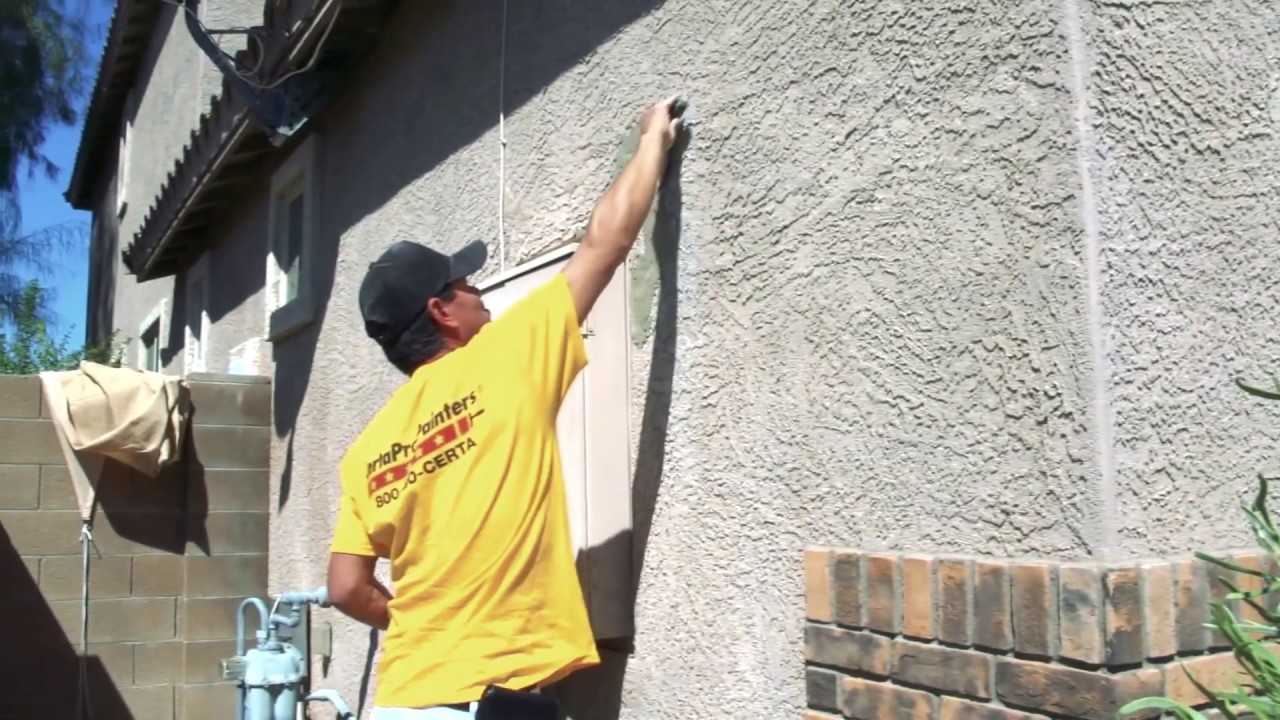
Steps: Pressure wash the exterior, “V-groove” the cracks, apply color-matched caulk, and back-roll the paint.
-
Relevance: This is the most common maintenance scenario, focusing on aesthetics and preventing minor water entry before it becomes a structural issue.
Scenario 2: Structural Water Infiltration Repair
A property where water has bypassed the stucco near a window, causing the material to bulge or fall away (spalling).
-
Components: New metal lath, Portland cement mix, and specialized waterproof flashing.
-
Steps: Remove damaged stucco, replace rotted wood, install new building paper and lath, apply three-coat stucco, and paint.
-
Relevance: This scenario addresses the stucco repair and painting cost at its most critical level, where the focus is on structural salvage rather than just appearance.
Scenario 3: The EIFS “Synthetic” Restoration
A modern home with a synthetic finish requiring specialized foam repair and a new integrated color coat.
-
Components: EPS foam boards, base coat with fiberglass mesh, and acrylic finish.
-
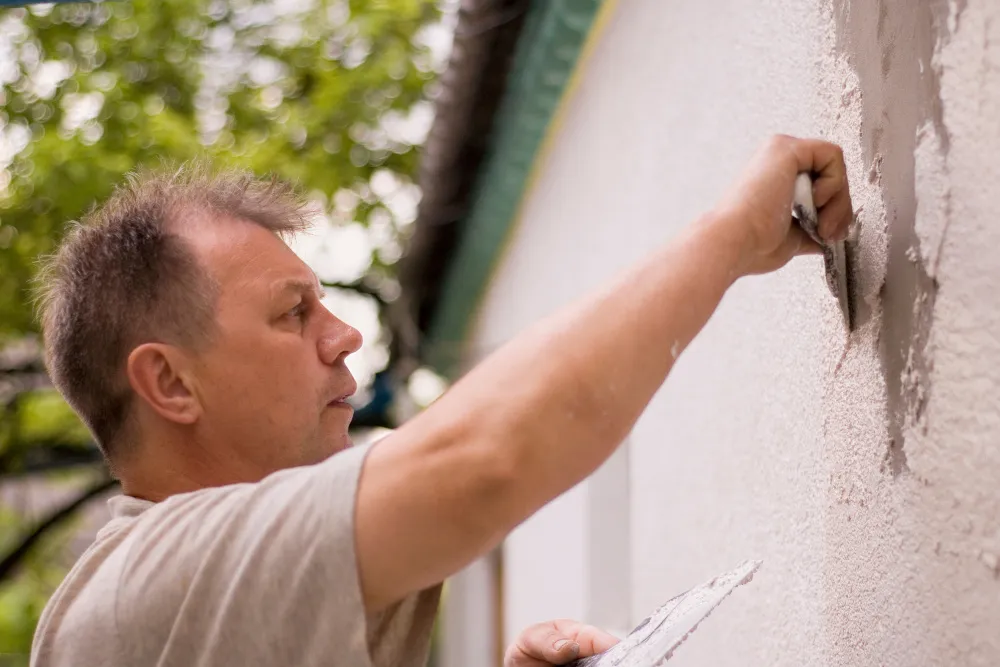
Steps: Identify “delaminated” foam, rasp the area, embed mesh in the base coat, and apply a texture-matched acrylic finish.
-
Relevance: EIFS requires specialized technicians, as traditional cement patches will not bond to synthetic foam systems.
Comparison: Scenario 1 suits homeowners seeking a cosmetic update; Scenario 2 is for those facing structural decay; Scenario 3 is specifically for modern synthetic systems. Scenario 2 is significantly more labor-intensive and costly than the others.
Planning, Budgeting, and Resource Considerations

Preparation is the most vital phase of a stucco project because “hidden” damage behind the surface can quickly escalate the budget once demolition begins.
| Category | Estimated Amount / Effort | Explanation | Optimization Tips |
| Patchwork Labor | $50 – $120 per hour | Skilled masonry work to match textures. | Tackle repairs in dry seasons to speed up curing. |
| Painting Materials | $40 – $90 per gallon | Elastomeric or high-quality masonry paint. | Buy in 5-gallon buckets for bulk pricing. |
| Scaffolding/Setup | $500 – $2,500 | Access for multi-story homes. | Bundle chimney or trim repair to maximize setup. |
| Permits/Testing | $200 – $800 | Moisture testing and local building permits. | Conduct an infrared scan before starting to find leaks. |
Note: Figures are examples for 2026 and vary by regional labor rates and material availability. Professional stucco repair and painting cost typically ranges from $4 to $12 per square foot of wall surface.
Technical Strategies and Support Options
Successful stucco restoration relies on specific technical strategies to ensure the new material bonds with the old.
-
“V-Grooving”: Widening a crack with a grinder to create more surface area for the patch to grip.
-
Bonding Agents: A liquid “glue” painted onto old stucco before the new cement is applied.
-
Advantages: Prevents the patch from falling off due to poor adhesion.
-
-
Back-Rolling: Using a roller immediately after a paint sprayer to push paint into the stucco’s pores.
-
Advantages: Ensures 100% coverage and a thicker protective layer.
-
-
Hydrated Lime: Adding lime to the cement mix.
-
Advantages: Increases the flexibility and breathability of the patch.
-
-
Infrared Thermography: Using a thermal camera to detect wet insulation behind the stucco.
-
Advantages: Allows for targeted repairs without tearing down healthy walls.
-
Safety, Risks, and Common Challenges
The primary challenges in stucco repair involve moisture management and the chemistry of the bond.
-
Moisture Trapping: Applying a thick, rubberized paint over “wet” stucco. Result: The water is trapped, causing the wood underneath to rot and the paint to peel in large sheets.
-
Texture Mismatch: A patch that is too smooth or too rough compared to the original wall. Prevention: Utilize a professional “sample board” to confirm the match before applying to the house.
-
Utility Punctures: Driving fasteners for lath into hidden electrical or plumbing lines. Prevention: Use a stud finder and refer to original building plans.
-
Incompatible Materials: Applying traditional cement over a synthetic EIFS system. Result: The patch will crack and fail to bond within months.
-
Curing Cracks: New stucco drying too fast in the sun. Prevention: “Wet-cure” the patch by misting it with a hose for 48 hours.
Maintenance and Long-Term Management
.webp)
Stucco is a low-maintenance material, but it requires a consistent inspection routine to prevent catastrophic water intrusion.
-
Annual Visual Inspection: Walk the perimeter every spring to look for “staining” under windows or new hairline cracks.
-
Clearance Review: Ensure that soil, mulch, and plants are kept at least 6 inches away from the bottom of the stucco (the “weep screed”).
-
Gentle Cleaning: Low-pressure wash every 1–2 years to remove dirt and algae. Never use a high-pressure tip (over 1,500 PSI) as it can etch the surface.
-
Caulk Replacement: Inspect window and door perimeters every 3 years; replace cracked sealant with high-quality polyurethane.
-
Repainting Schedule: Expect to repaint stucco every 7–10 years to maintain its UV protection and waterproofing.
Documentation and Reporting
Proper documentation ensures that warranties are maintained and provides proof of stewardship during home resale.
-
The Moisture Report: A certified document showing the “percent moisture” in the walls before and after the repair.
-
Material Batch Logs: Save the specific color code and brand of paint used (e.g., “SW 7005 Pure White, Elastomeric”).
-
Photo Documentation: Take photos of the rotted wood removal and the new flashing before it is covered by stucco.
Example 1: A homeowner provides a “Transferable Warranty” from a stucco contractor to a buyer, proving the 2026 restoration met industry standards.
Example 2: An owner maintains a record of the “Cure Time” for the patch to ensure the paint was not applied too early, which would void the paint manufacturer’s warranty.
Closing Summary
Managing stucco repair and painting cost is a strategic investment in a building’s structural integrity. By addressing minor cracks through “V-grooving” and ensuring the use of breathable, flexible coatings, property owners can extend the life of their stucco cladding for decades. Success depends on a holistic approach that prioritizes moisture detection and texture matching, ensuring that the repair is not only structurally sound but also visually indistinguishable from the original architecture.
FAQ
1. Why is stucco painting more expensive than wood siding painting? Stucco is highly porous and has a large surface area due to its texture. It requires significantly more paint (often double the gallons) and involves “back-rolling” labor to ensure the coating penetrates all the crevices.
2. Can I just paint over cracks in my stucco? Painting will temporarily hide hairline cracks, but it will not stop water from entering. Cracks larger than 1/16th of an inch must be structurally patched or caulked before painting to ensure a waterproof seal.
3. What is the best type of paint for stucco? A high-quality 100% acrylic masonry paint or a “breathable” elastomeric coating is recommended. The key is ensuring the paint allows vapor to escape from the inside while blocking liquid water from the outside.