Modern Black Window Frames Exterior: 2026 Technical Guide
The Comprehensive Guide to Modern Black Window Frames
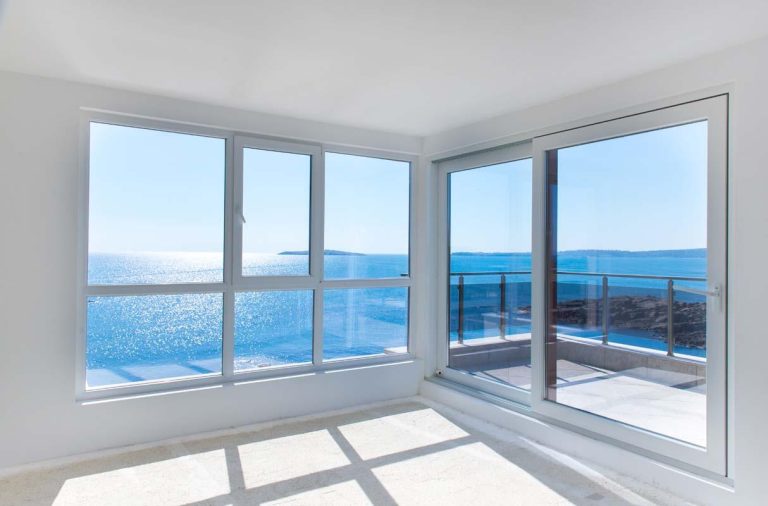
Modern architectural design frequently utilizes high-contrast elements to define the building envelope and create visual interest. Among these elements, black window frames have emerged as a primary choice for both new construction and historic renovations. By shifting away from traditional white or wood-toned sashes, these frames serve as a bold outline for the glazing, often drawing the eye to the surrounding landscape while providing a clean, industrial, or contemporary aesthetic. The choice of black as an exterior finish requires a specific understanding of material science, as dark colors absorb more thermal energy than lighter shades.
This guide provides a neutral, educational examination of the factors defining modern black window frames exterior applications. Readers will learn about the different material compositions available, the thermal challenges associated with dark finishes, and the practical logistical steps required for a successful installation. By exploring the various categories of frames and the long-term maintenance realities, property owners can evaluate how this design choice functions as a structural and aesthetic asset for their property.
Overview of Modern Black Window Frames Exterior
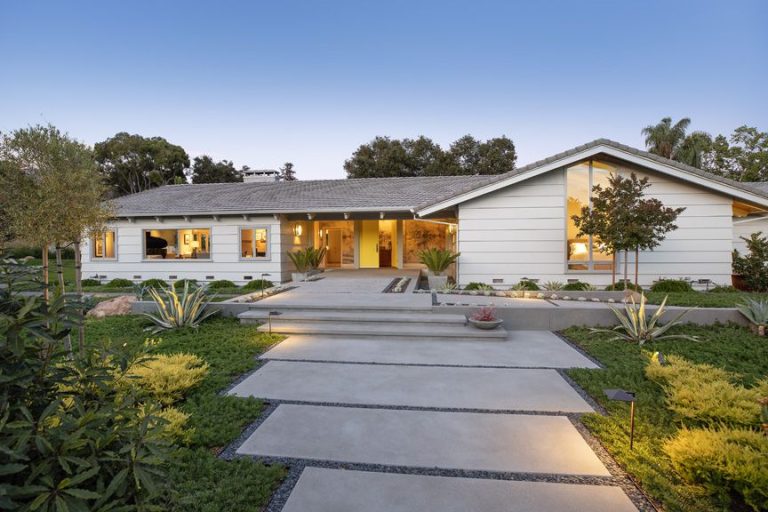
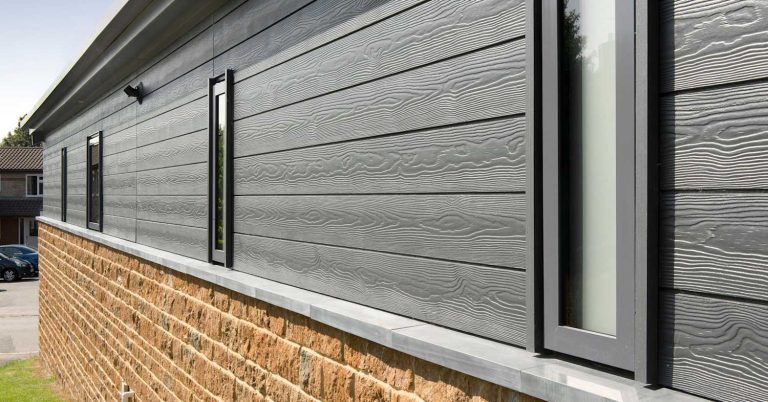
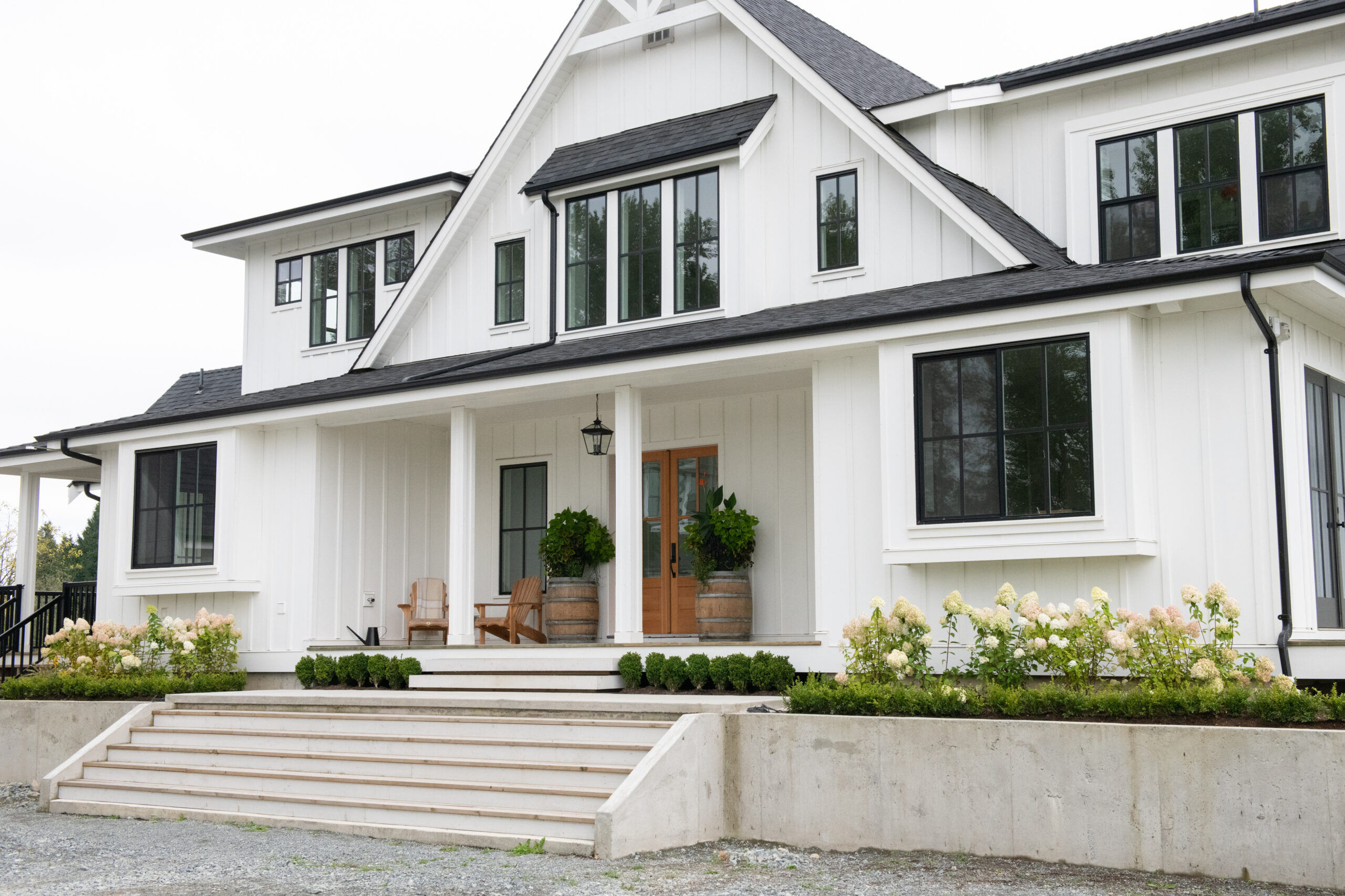
The core concept of a black window frame system is the use of dark pigments or coatings to create a “picture frame” effect for the glass. In the context of modern black window frames exterior design, the goal is often to achieve a minimalist profile that complements materials like natural wood, white stucco, or dark brick. Property owners typically approach this style to modernize an existing structure or to satisfy the requirements of “Modern Farmhouse” or “Industrial Loft” architectural themes.
Expectations for black windows include a high degree of color stability and resistance to UV-induced fading. Because black surfaces absorb a higher percentage of solar radiation, these frames can reach significantly higher temperatures than white frames in direct sunlight. Consequently, the typical outcome of a high-quality installation involves the use of “heat-reflective” pigments or structurally reinforced materials that can withstand thermal expansion and contraction without warping. Success is defined by a frame that maintains its structural integrity and color depth over a 20-to-30-year lifespan.
Key Categories and Material Variations
Window frames are categorized by their substrate material, which dictates how the black finish is applied and how the frame handles heat.
| Category / Type | Description | Common Use Case | Effort / Cost Level |
| Aluminum | Anodized or powder-coated metal; naturally slim profiles. | Industrial designs; high-end modern. | Moderate / High |
| Fiberglass | Composite material that expands at the same rate as glass. | Extreme climates; luxury builds. | Moderate / High |
| Steel | Ultra-thin, heavy-duty frames; hand-welded. | Historic lofts; high-luxury bespoke. | High / Very High |
| Vinyl (Premium) | Extruded PVC with heat-reflective black laminates. | Residential retrofits; budget-conscious. | Low / Medium |
| Clad-Wood | Natural wood interior with a black aluminum exterior shell. | Traditional homes; high-insulation needs. | Moderate / High |
Choosing between these categories involves a trade-off between thermal performance and profile thickness. Aluminum and steel offer the thinnest lines but are less insulating than fiberglass or wood. For those seeking modern black window frames exterior solutions in regions with intense sun, fiberglass is often preferred due to its low thermal expansion coefficient, which prevents the frame from “bowing” under heat.
Practical Scenarios and Applications
Scenario 1: The Modern Farmhouse Retrofit
A classic white-sided home is updated to a modern aesthetic using high-contrast black windows.
-
Components: Black vinyl or fiberglass double-hung windows with “SDL” (Simulated Divided Lites).
-
Steps: Remove existing white windows, inspect the rough opening for moisture, install the black units, and use matching black flashing.
-
Relevance: This scenario demonstrates the “high-contrast” principle where the black frame provides a sharp definition against a light-colored exterior.
Scenario 2: Industrial Loft Renovation
An old brick warehouse is converted into living space requiring large, thin-framed windows.
-
Components: Thermally broken aluminum or steel casement windows.
-
Steps: Verify structural load of the brick lintels, install oversized black frames, and use high-performance structural sealant.
-
Relevance: This focuses on the “minimalist” aspect, where the strength of the metal allows for more glass and less frame, mimicking historical steel windows.
Scenario 3: High-UV Desert Construction
A new build in an arid climate where heat absorption is the primary technical concern.
-
Components: Fiberglass frames with heat-reflective “cool” black coatings.
-
Steps: Install units with high-performance Low-E glass, ensure deep-set placement to provide natural shading, and use high-temperature-rated caulking.
-
Relevance: This application prioritizes material science, ensuring the black frames do not transfer excessive heat into the building’s interior.
Comparison: Scenario 1 focuses on aesthetic style; Scenario 2 prioritizes structural strength and slim lines; Scenario 3 focuses on thermal management. Readers in the Sun Belt suit Scenario 3, while those in urban centers may favor Scenario 2.
Planning, Cost, and Resource Considerations
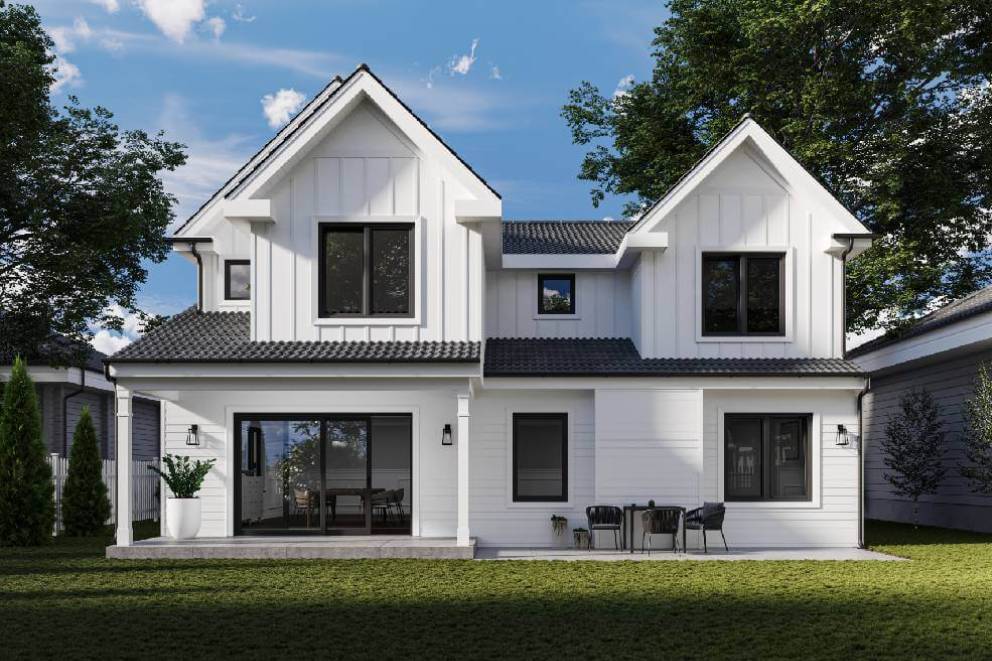
Meticulous planning is vital because black windows are generally a premium product compared to standard white vinyl, often carrying a 10% to 30% price increase.
| Category | Estimated Amount / Effort | Explanation | Optimization Tips |
| Material Premium | 15% – 25% Increase | The cost of black finishes vs. white. | Order standard sizes; custom black paint is costly. |
| Thermal Review | Moderate Effort | Checking if the material can handle the local UV index. | Ask for the “Heat Reflective” pigment data sheet. |
| Installation Labor | Moderate-High Effort | Requires precise sealing to avoid “heat-bleed.” | Hire installers familiar with dark-frame expansion. |
| Lead Times | 8 – 16 Weeks | Black windows are often “made-to-order.” | Order early in the build cycle to avoid delays. |
Note: Figures are examples for 2026. Costs are influenced by the choice of an “integral” color (color throughout the material) versus a “laminate” or “painted” finish.
Strategies, Tools, and Support Options
Successful implementation of dark frames relies on specific strategies to manage energy and durability.
-
Thermally Broken Frames: For metal windows, a plastic strip is placed between the inner and outer frame.
-
Advantages: Prevents the black exterior from conducting heat to the interior.
-
-
Co-Extruded Finishes: A process where the black color is baked into the vinyl or fiberglass during manufacturing.
-
Advantages: Resistant to scratching and peeling.
-
-
Spectrally Selective Low-E Glass: Glass that blocks infrared heat but allows visible light.
-
Advantages: Offsets the heat gain of the dark frames.
-
-
Acrylic Wrap / Foil Laminates: A high-tech “skin” applied to vinyl frames.
-
Advantages: Superior UV resistance and color depth.
-
Safety, Risks, and Common Challenges
The primary risks associated with modern black window frames exterior installations involve thermal dynamics and visibility.
-
Thermal Expansion: Dark frames can expand up to twice as much as light frames in direct sun. Result: Frame warping or seal failure. Prevention: Use fiberglass or reinforced vinyl with adequate expansion gaps.
-
Color Fading: Constant UV exposure can turn deep black into a chalky charcoal. Prevention: Ensure the finish is AAMA 2605 compliant (the highest industry standard for color retention).
-
Visible Scratches: A scratch on a black-painted frame reveals the white or silver substrate underneath. Prevention: Use “color-through” materials or keep manufacturer-approved touch-up kits on site.
-
Sealant Incompatibility: Using standard caulk that cannot handle high surface temperatures. Prevention: Only use high-modulus silicone sealants rated for 180°F or higher.
Maintenance and Long-Term Management
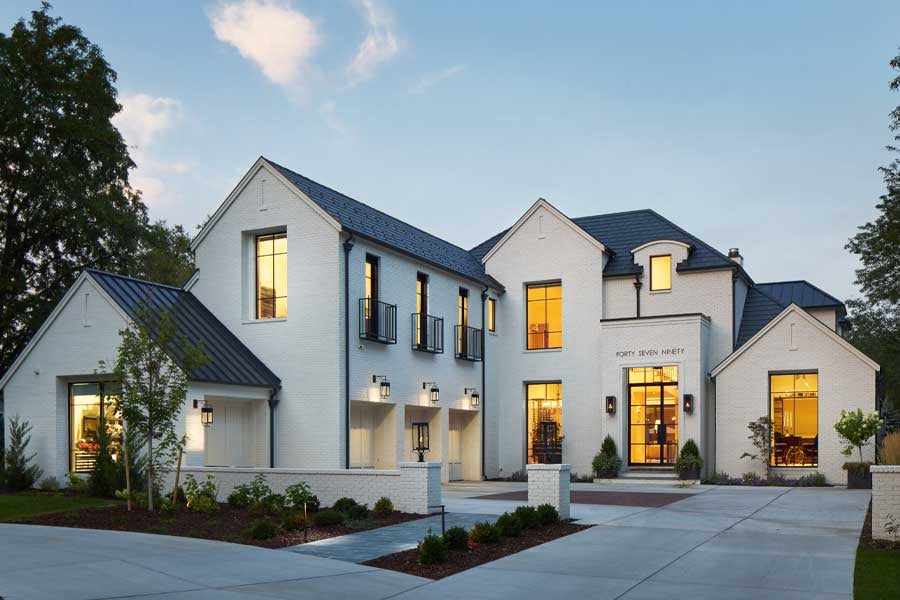
While modern finishes are durable, black frames require a specific stewardship routine to maintain their “factory-new” appearance.
-
Gentle Cleaning: Wash with a mild soap and water solution twice a year. Avoid abrasive scrubbers that can dull the matte or satin finish.
-
Oxidation Check: Look for a “white haze” on the surface, which indicates UV degradation; address this with manufacturer-recommended cleaners.
-
Sealant Inspection: Because black frames move more, check the caulk junctions annually for cracking or separation.
-
Hardware Lubrication: Dark frames can hold heat, which may dry out lubricants faster in hinges and tracks; apply silicone spray once a year.
Documentation and Reporting
Organizing the technical data of your window system is essential for future repairs and home appraisals.
-
Finish Certification: Documentation of the paint or laminate grade (e.g., Kynar 500 or AAMA 2605).
-
Thermal Expansion Data: Manufacturer specs showing the allowed movement for the frame.
-
Energy Star Labels: Proof of the window’s U-factor and SHGC (Solar Heat Gain Coefficient).
Example 1: A homeowner provides the “Cool Black” pigment data sheet to an appraiser to demonstrate energy efficiency.
Example 2: An owner saves the specific black RAL color code (e.g., RAL 9005) to ensure future door or trim additions match the windows perfectly.
Closing Summary
The implementation of modern black window frames exterior systems is a sophisticated design choice that combines high-performance material science with contemporary aesthetics. While dark frames pose unique thermal challenges, the use of fiberglass, thermally broken aluminum, or high-grade laminates ensures durability and energy efficiency. Success in this niche depends on selecting materials with high UV resistance and ensuring that the installation accounts for the increased thermal movement associated with dark-colored surfaces.
FAQ
1. Do black windows make a house hotter? The frame itself absorbs more heat than a white frame, but if the window is “thermally broken” or made of fiberglass, that heat is not transferred to the interior. The glass coating (Low-E) has a much larger impact on interior temperature than the frame color.
2. Do black window frames fade over time? Older painted windows were prone to fading, but modern AAMA 2605-certified finishes and co-extruded colors are designed to resist UV degradation for 20 years or more.
3. Are black windows a fad? While currently highly popular, black frames have a long history in industrial and high-end modern architecture dating back to the early 20th century, suggesting they have lasting architectural relevance.